
We've shot more cardboard than we can count.
USPSA cardboard. C-Zone cardboard. Stapled, taped, pasted, and shot to pieces again. If you train seriously, you know how it goes. You set it up. You shoot it out. You tear it down. You buy more.
So let's add it up. We aren't here to tell you paper is garbage. It isn't, and we'll defend it in a minute. We are here to show you what a year of it actually costs, and how self-healing rubber can compete.
If you run a range or a club, you already feel this. You're buying them in bulk, week after week, and paying someone to hang the next one. We'll get to you specifically.
Where Cardboard Targets Win
Cardboard Targets are cheap up front. A C-Zone cardboard runs you about $0.70 a piece after shipping. A USPSA cardboard, roughly $0.90. Buy a stack and you're training this weekend for less than lunch.
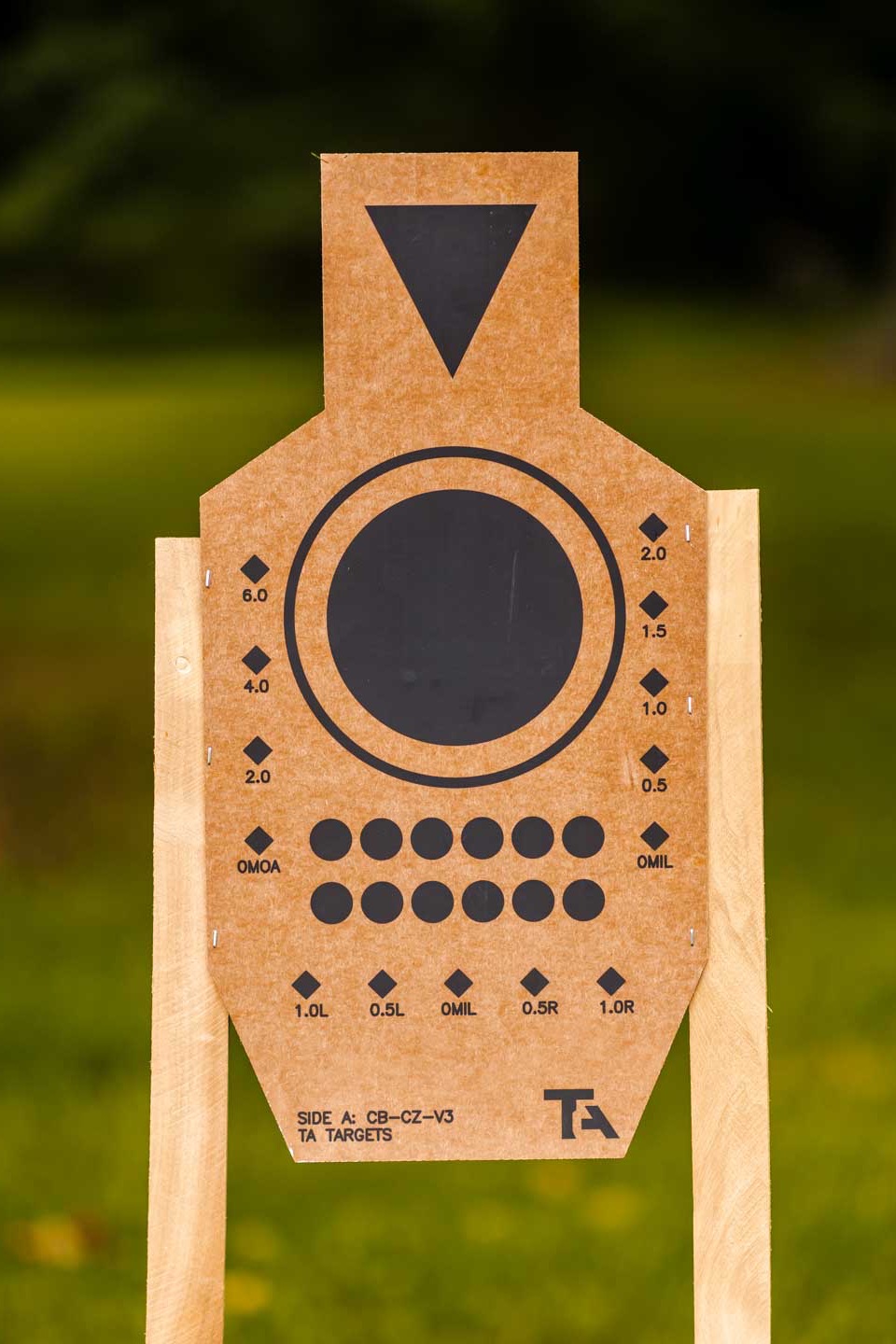
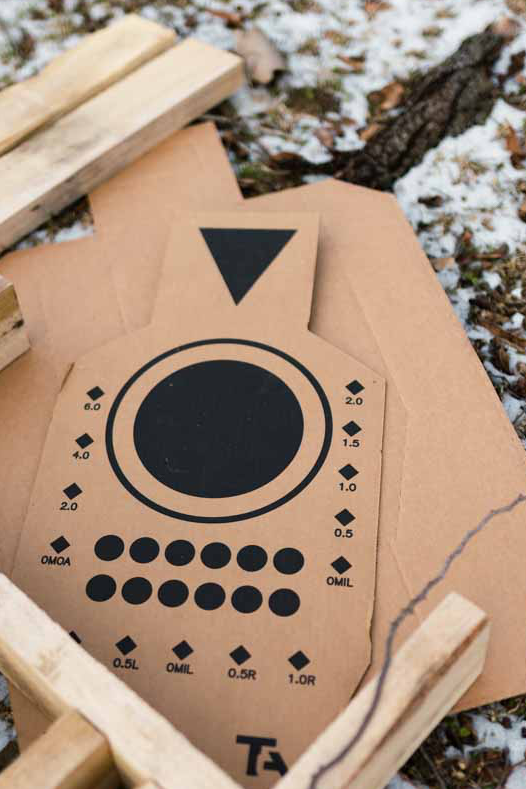
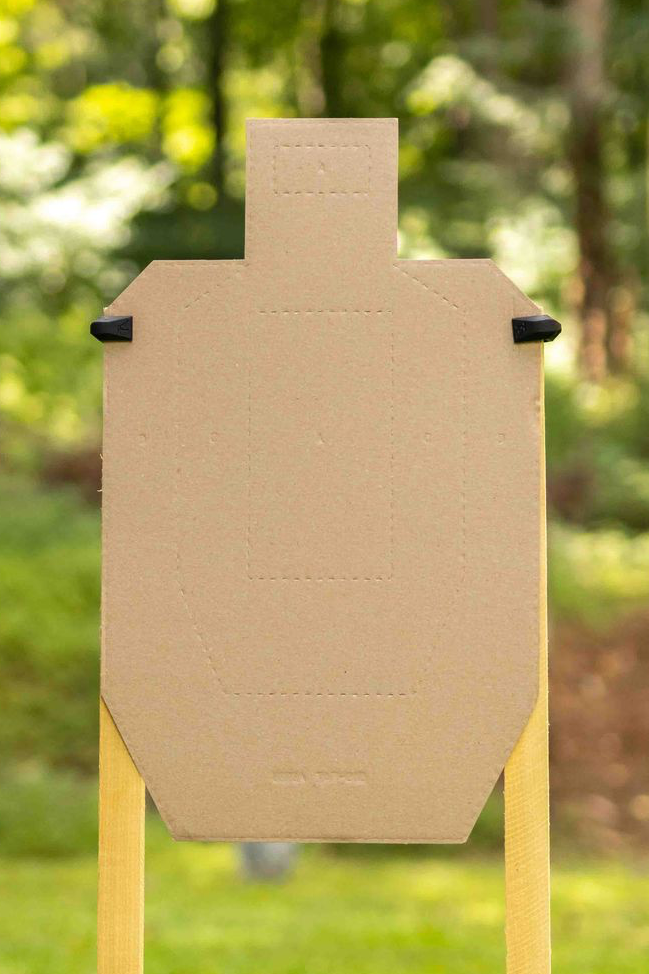
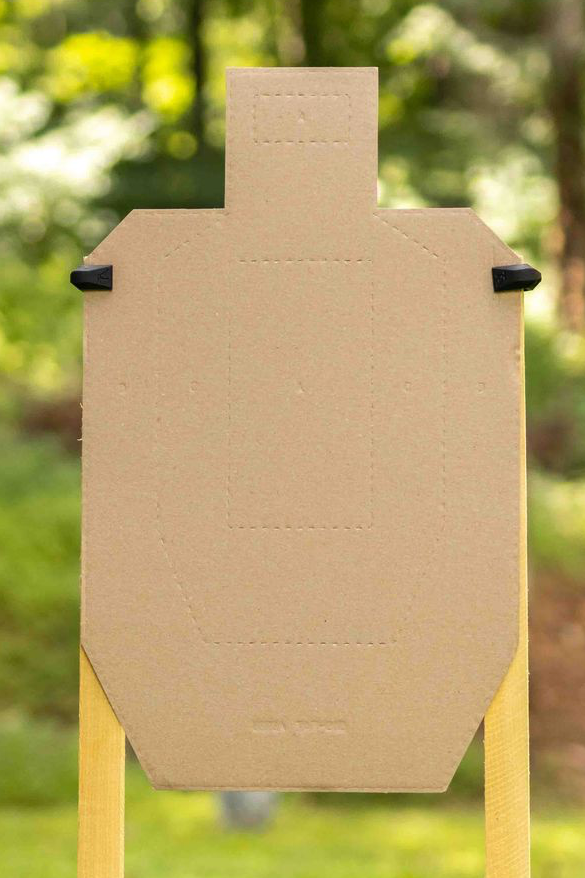
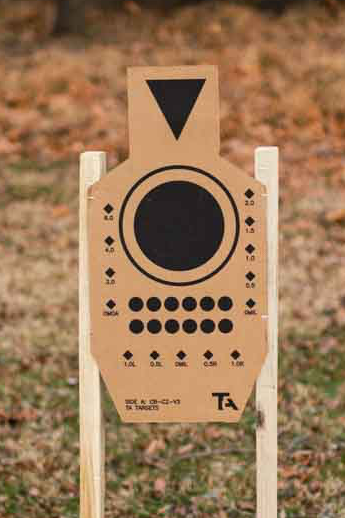
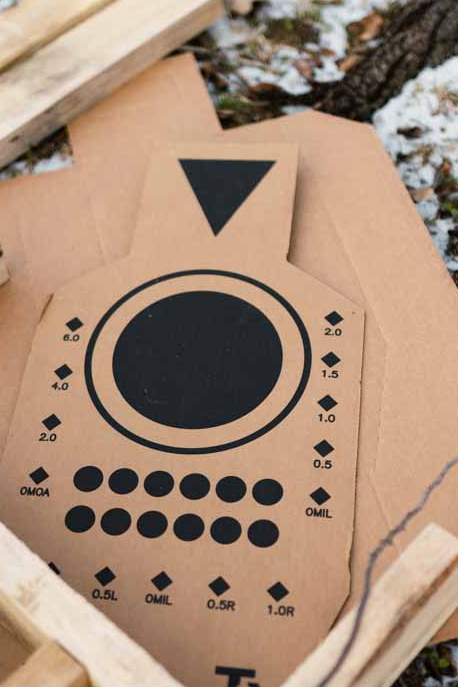
For dialing in a group or scoring a drill to the millimeter, paper is very precise. Here's the one that matters most: cardboard is the official target of USPSA. When you step to the line at a real match, you're shooting cardboard.
So if you only shoot a handful of times a year, paper is hard to beat on pure dollars. If that's you, this next part isn't for you, and I'd rather tell you that than sell you something you don't need. Otherwise... keep reading.
Where Cardboard Targets Hurt
Cheap up front is not the same as cheap.
A serious practical shooter burns through targets fast. You're replacing shot out cardboard constantly. Say two targets a week. That's around 100 targets a year.
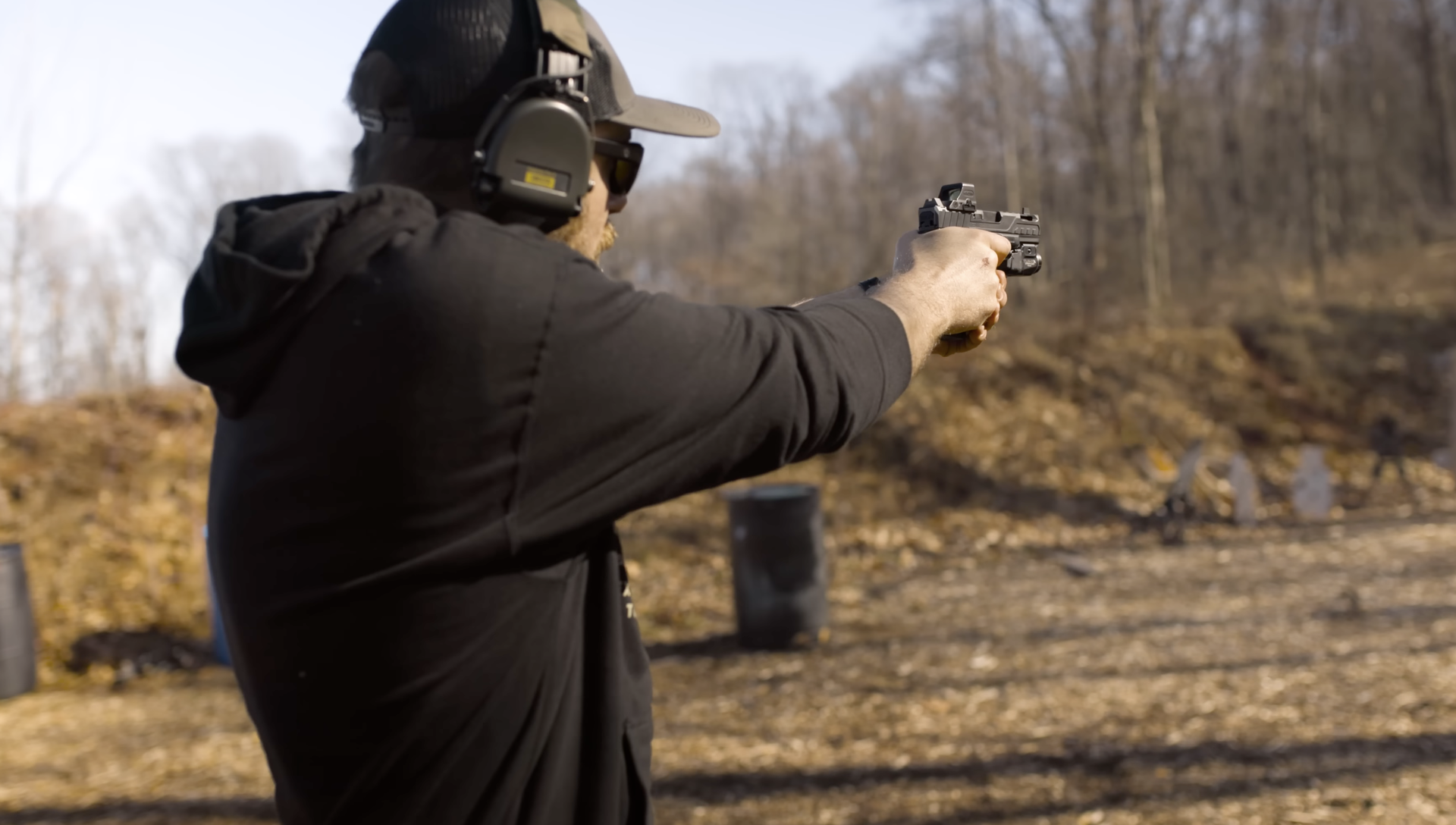
At $0.70 a piece, that's about $70 a year in C-Zone cardboard. At $0.90 for USPSA cardboard, closer to $90. Every year. Forever. The cost never ends, because the target never lasts.
Now Run the Rubber Numbers
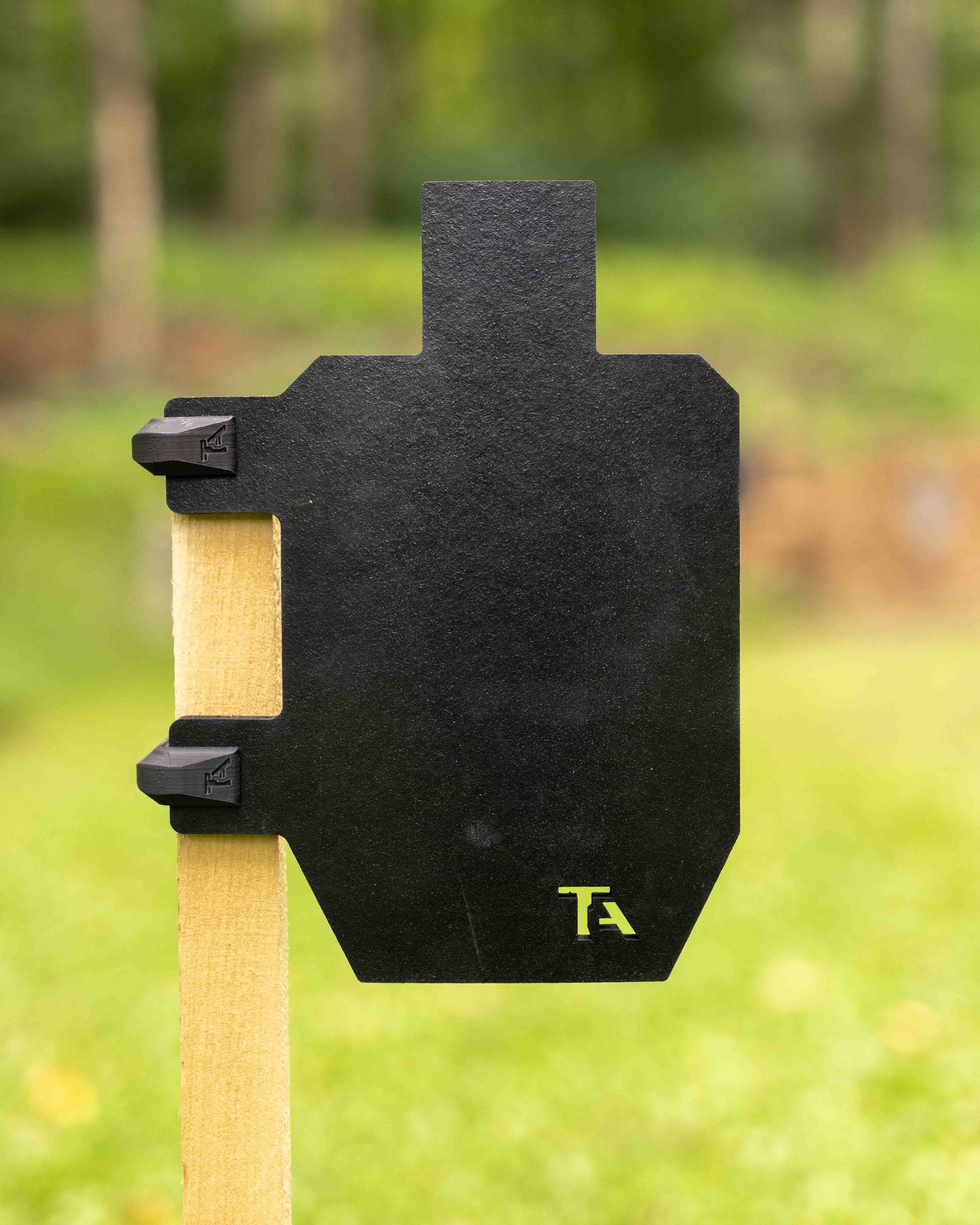
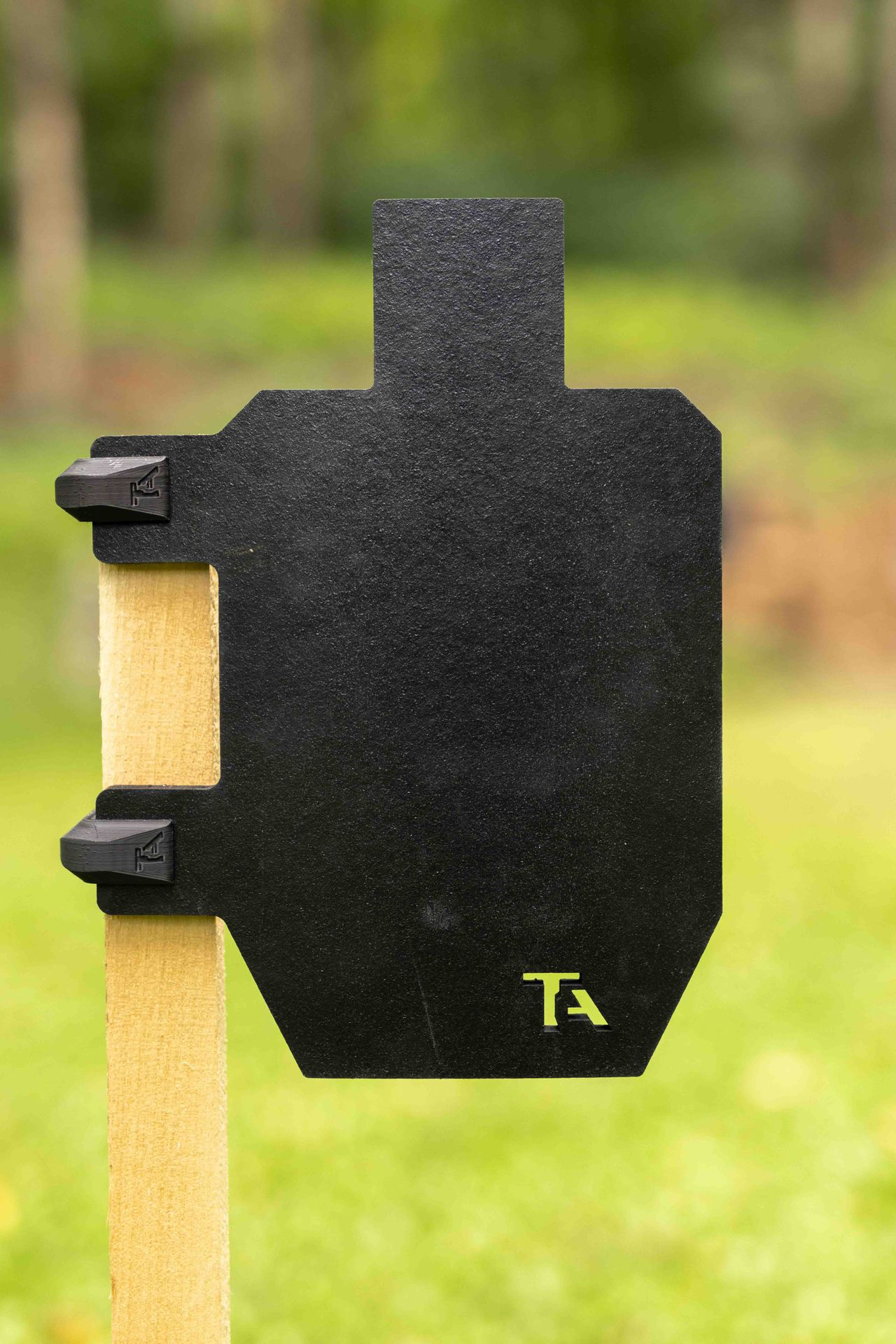
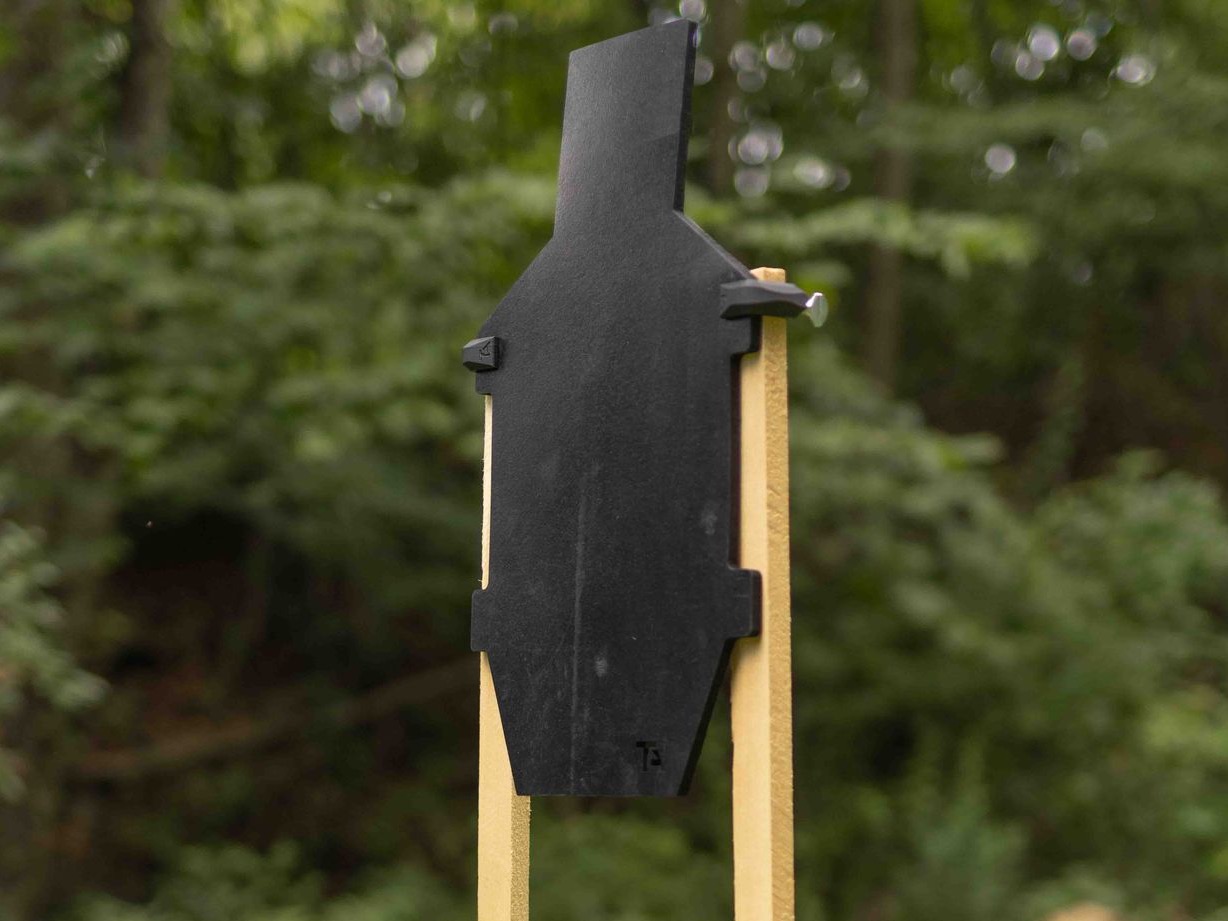
A V-FLEX C-Zone self-healing target is $139. It's built to last 3 and longer under proper use. Thousands of rounds of ball or FMJ, and it seals itself shot after shot instead of tearing apart.
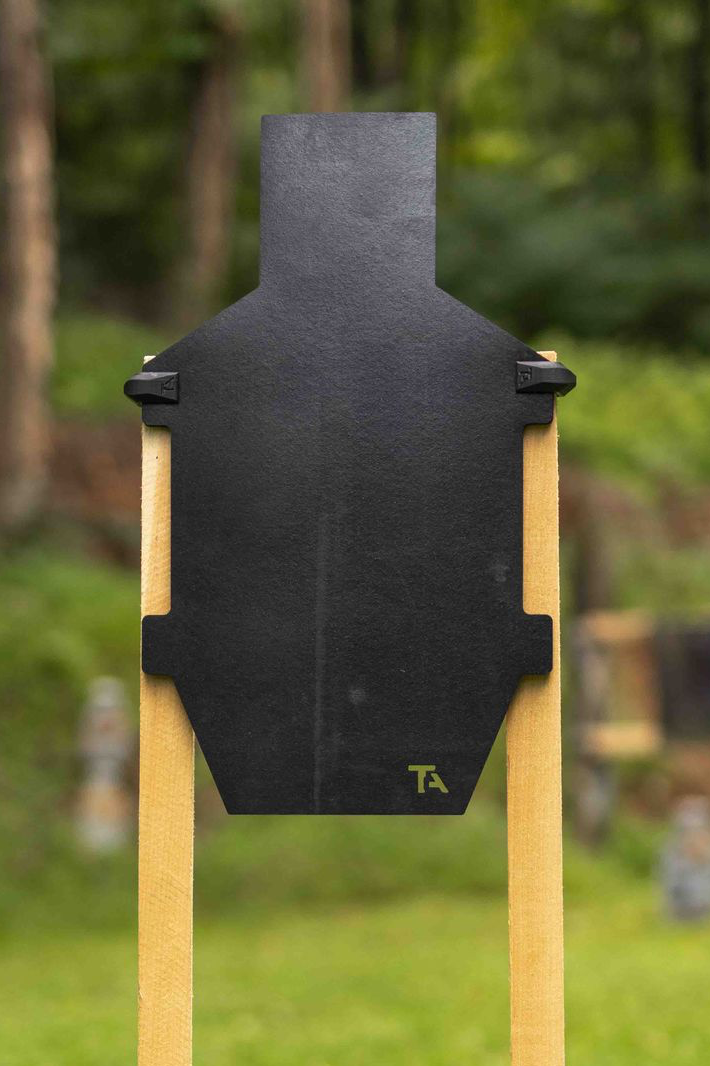
Take that same high volume shooter. About $70 a year in C-Zone cardboard. Two years of that is roughly $140, right at the price of one V-FLEX. On USPSA cardboard at $90 a year, you cross that line even sooner.
So for a competitive shooter, the V-FLEX pays for itself by around the second year. Then year three is pure savings. This is not including the 3-year warranty where you would get a replacement target for FREE if it fails under normal use.
The Hybrid Reduced C-Zone at $79.99 gets there even faster. Same rubber, smaller footprint, and it can break even inside a single year of serious training.
Take what you actually spend on cardboard in a year, double it, and see where it lands next to $139. For most people who train hard, the answer is uncomfortable, in a good way.
For Ranges and Clubs, the Bleed Is Constant
Everything above is one shooter. Now run a range.
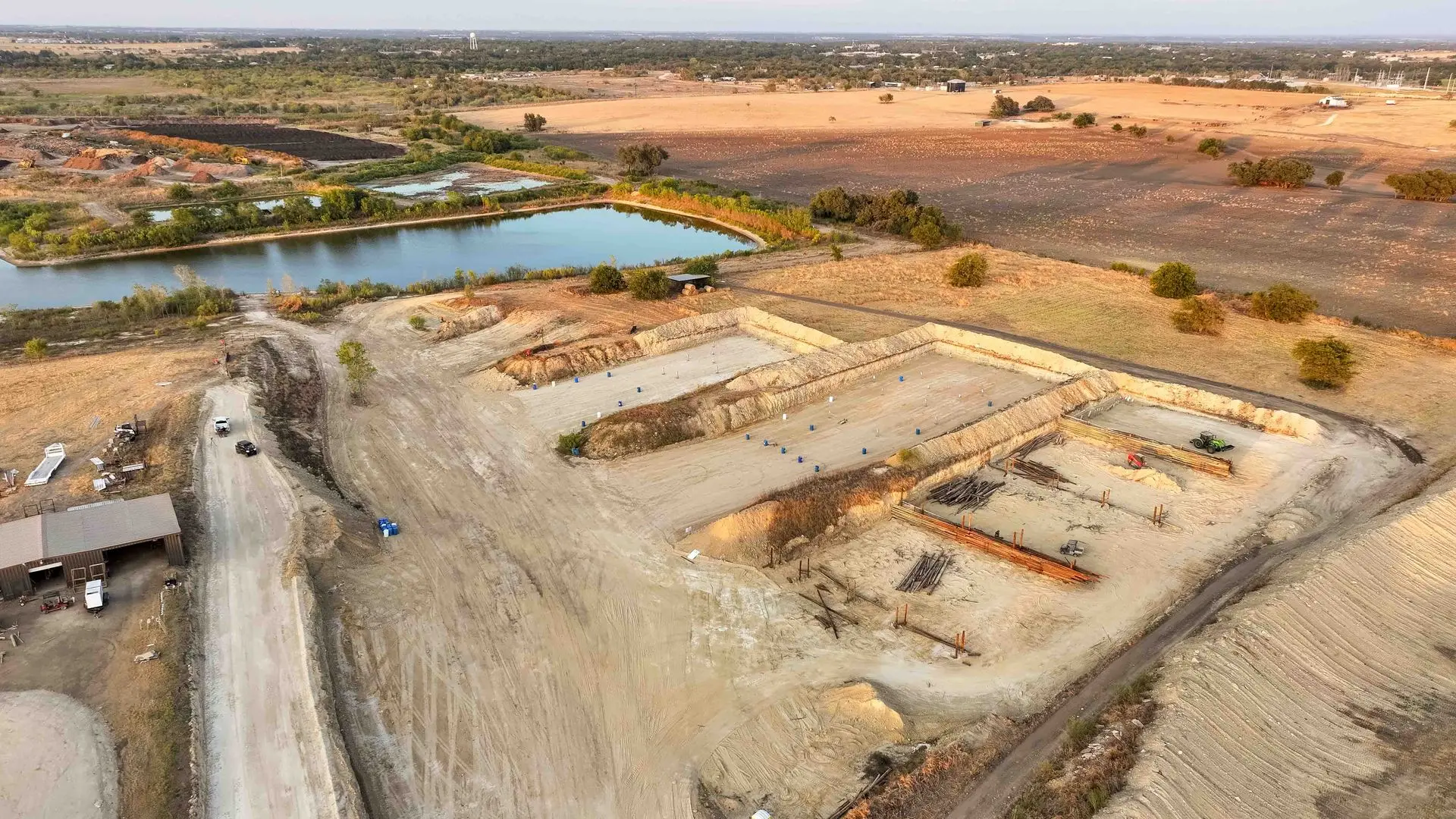
You're not replacing two targets a week. You're replacing them across every lane, for every member, every day you're open. The cost nobody puts on the invoice is labor, and for a range it hides in two places.
The first is cheap steel. Buy the lowest priced steel you can find and you've really bought a maintenance schedule. Soft steel craters, pits, and eventually you replace it. The fix is the boring one: buy steel that lasts. We've built the longest lasting steel targets on the market for years, precisely because we got tired of watching cheap steel turn into labor.
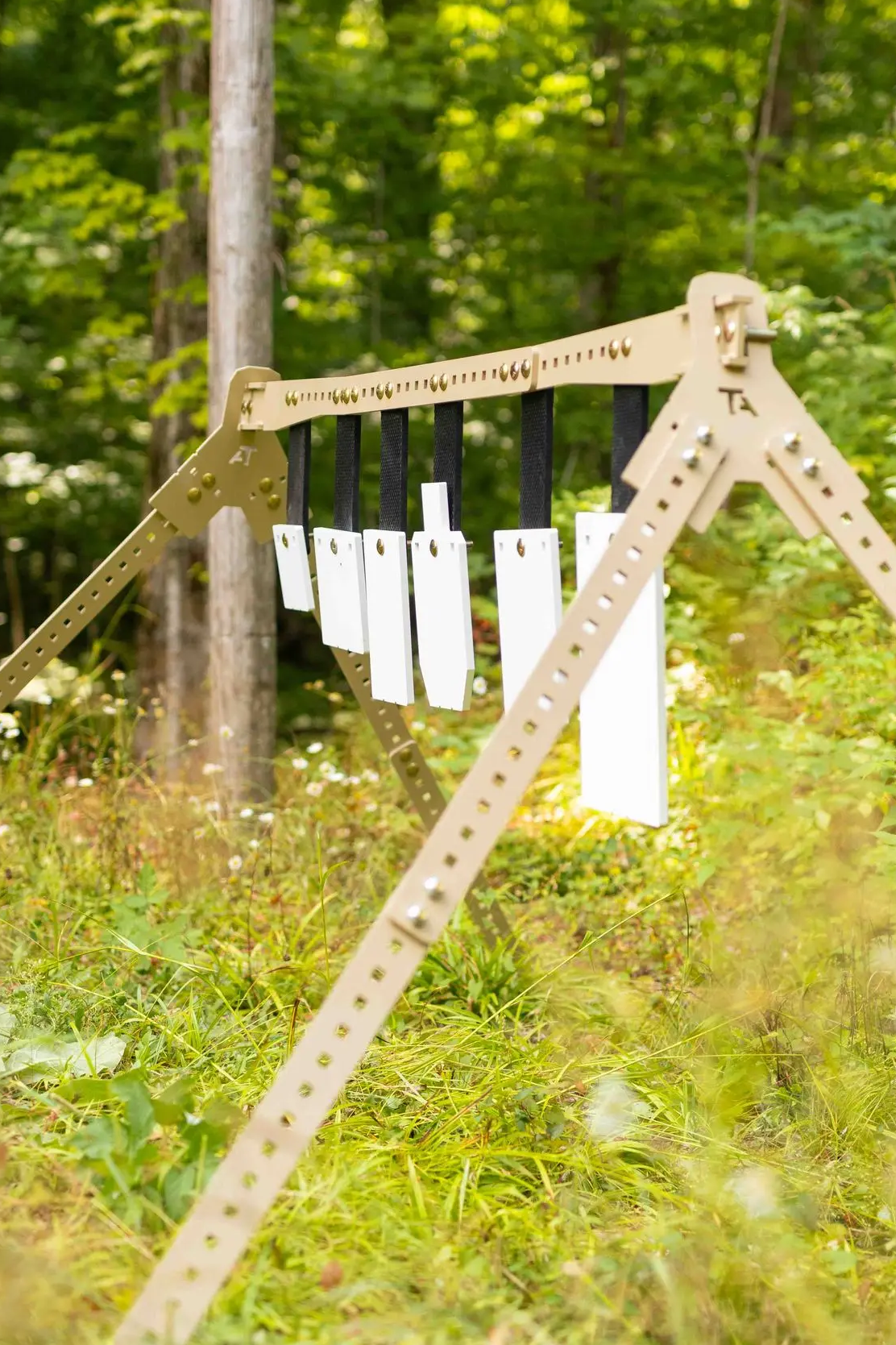
The second is cardboard. You pay someone to hang it, and then you pay someone to throw it out. Every shredded target is trash a person on the clock has to pull, bag, and haul to the dumpster.
Then there's the space cases of cardboard eat in your back room, and the downtime when a bay waits on a target getting reset. Your members came to shoot, not to watch someone staple.
The higher your volume, the faster rubber pays off, and nobody has higher volume than a range. Your breakeven isn't measured in years. It's measured in months.
Outfit ten shooting positions with the V-FLEX C-Zone and you're looking at a one-time spend around $1,390. A range going through even a single case of cardboard a week, call it $70 to $90, spends that same $1,390 on paper alone in roughly four to five months. This is before a single dollar is allocated to pay-roll.
If you're outfitting a whole facility, email us at info@tatargets.com and we'll build the numbers around your lane count, your volume, and your setup, steel and rubber both.
The Move Isn't Paper or Rubber. It's Both, in the Right Place.
Here's the part most people get backwards. You don't have to choose between self-healing and cardboard. We did not make V-FLEX to replace cardboard.
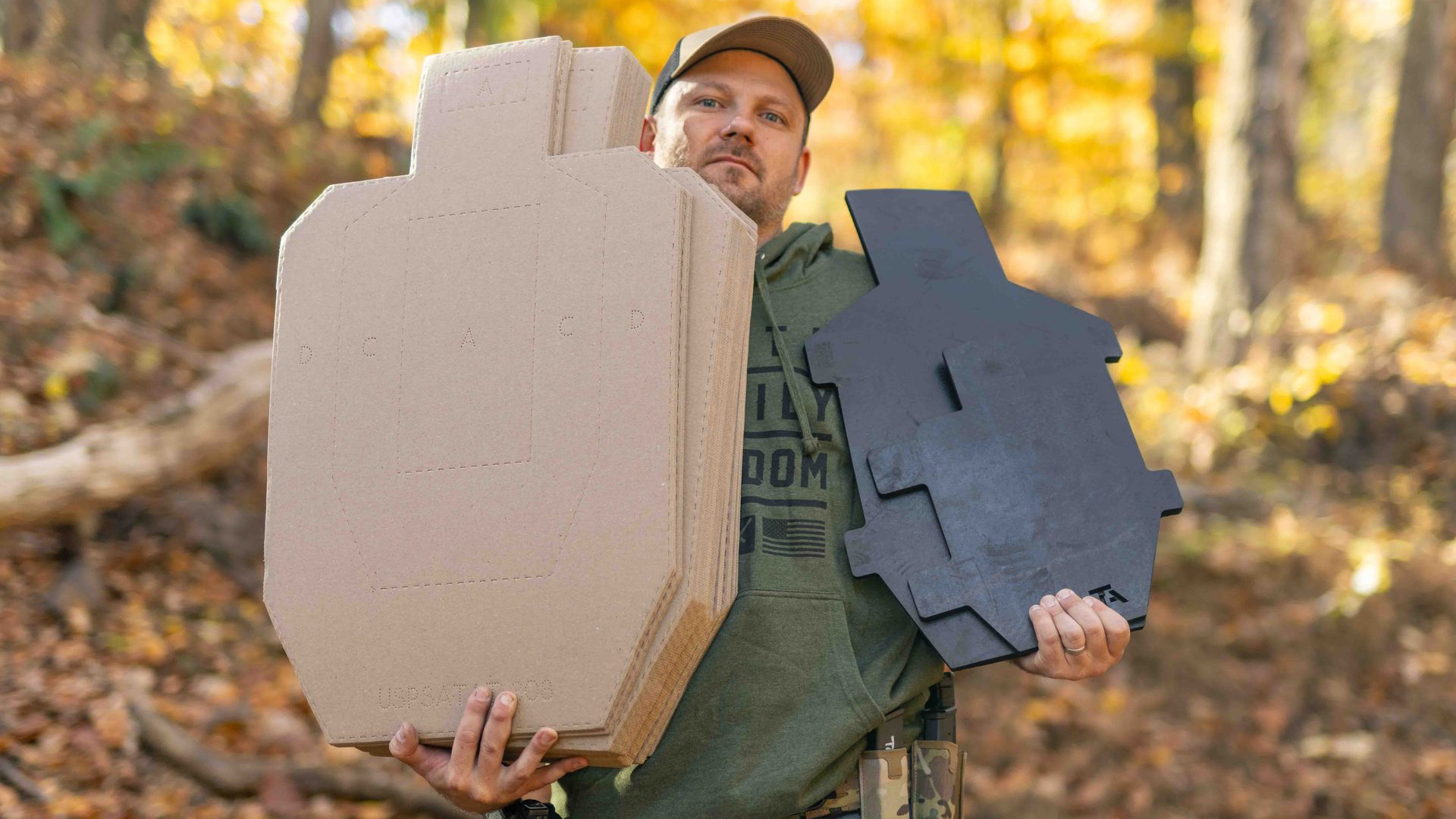
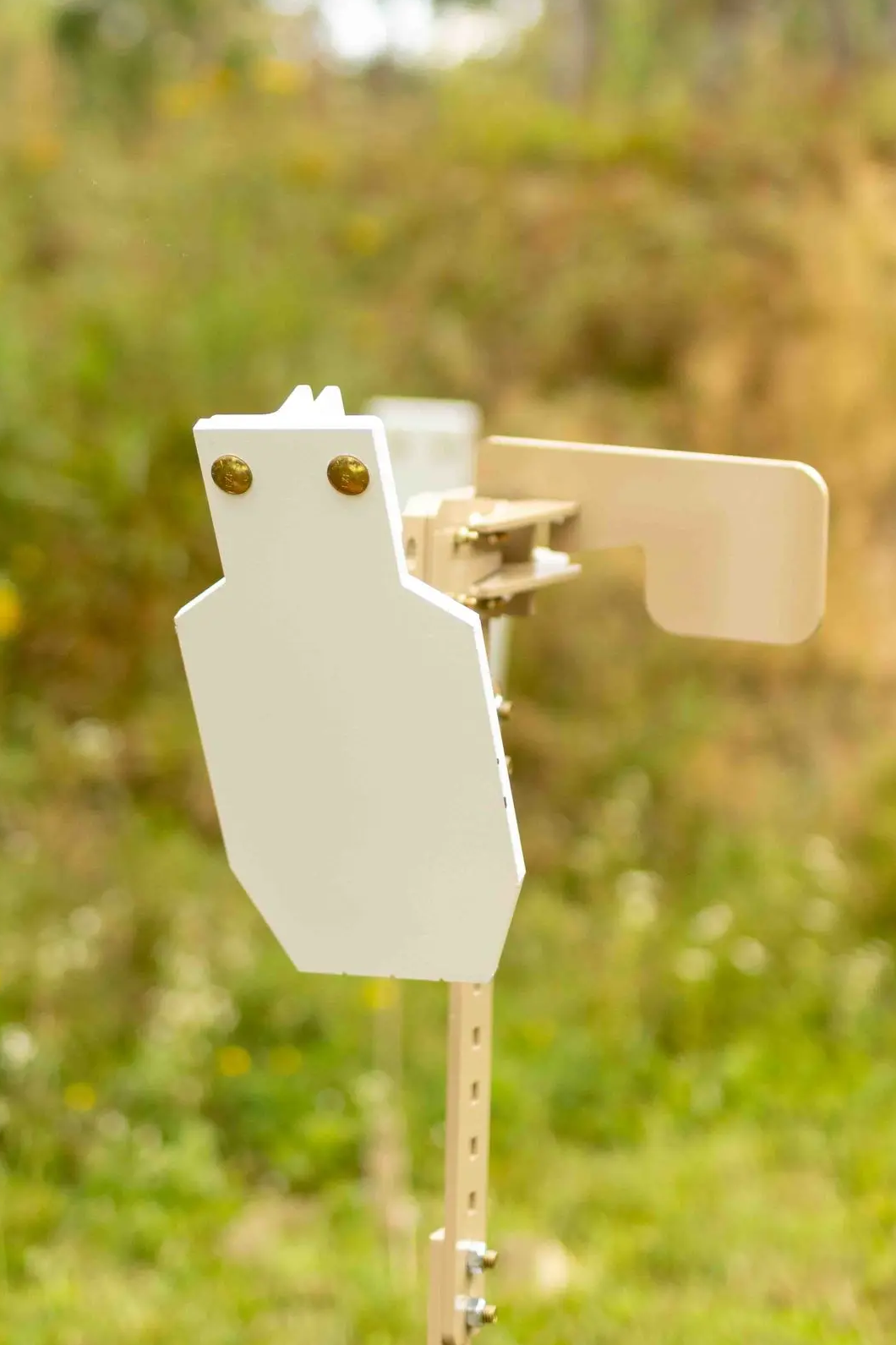
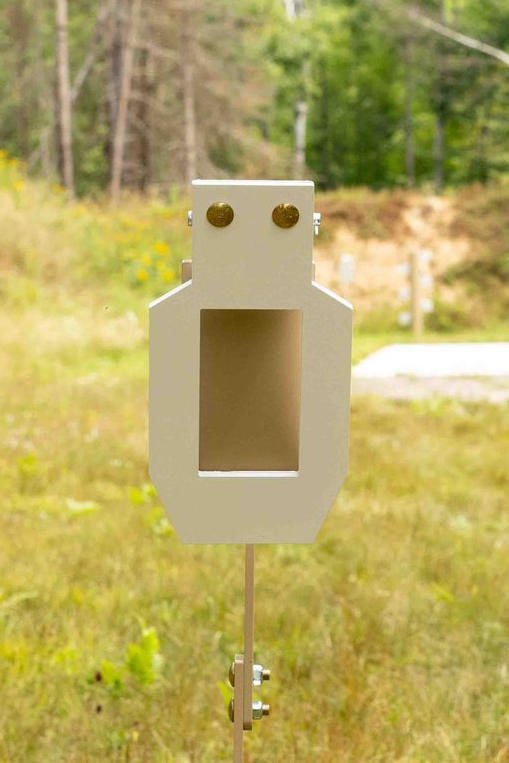
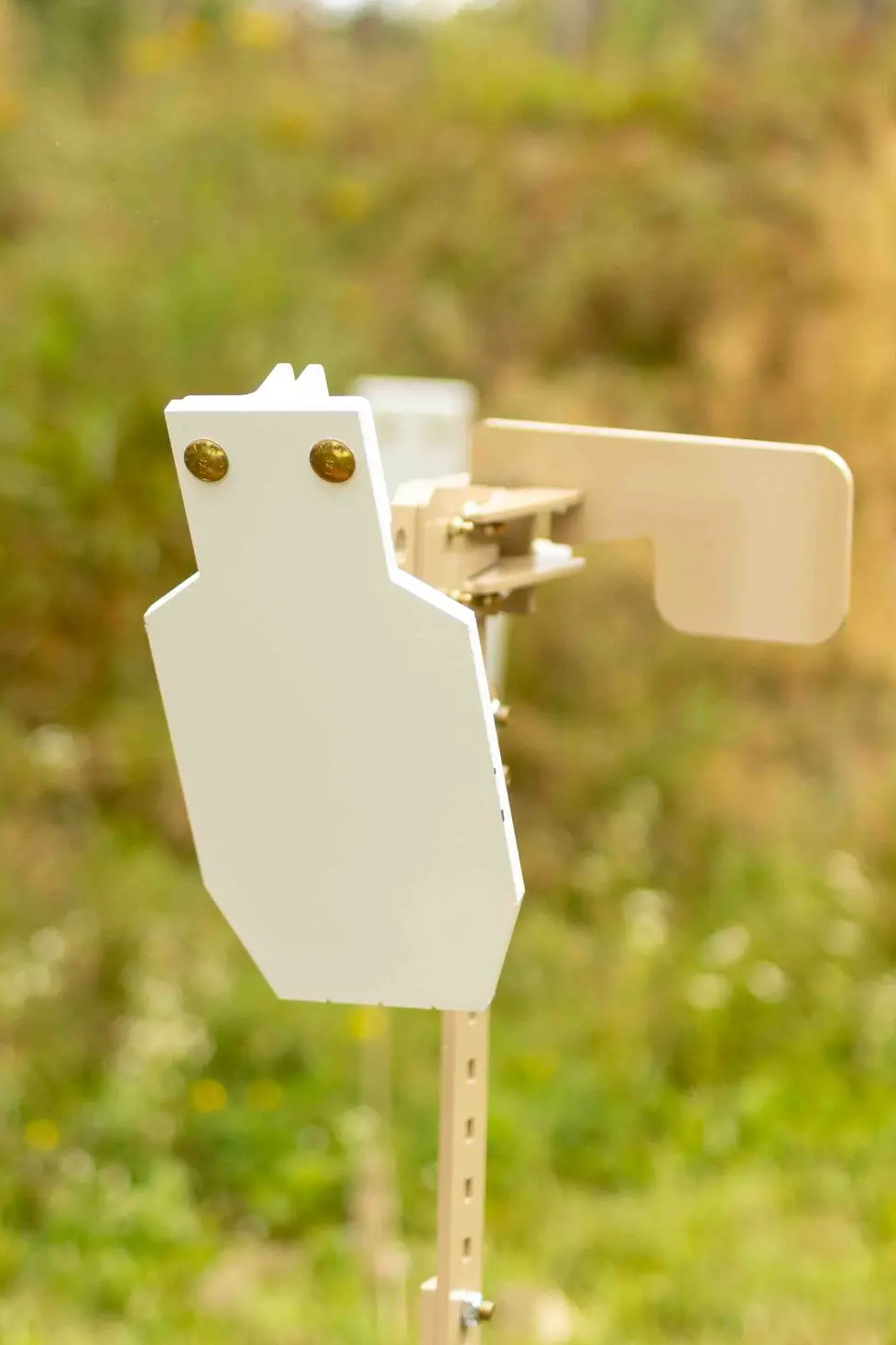
The V-FLEX C-Zone gives you the same C-Zone scoring area found on a USPSA target. It isn't the full size USPSA target you'll shoot in competition, but it is the exact zone you're training to hit. You build the skill on a target that heals itself for years, then you spend your cardboard budget only where it's required.
The V-FLEX Series, and Why We Built It
The V-FLEX is our new line of self-healing rubber targets, and we didn't build it to chase a trend. We built it because we already knew what this rubber could do. It's cut from the same ballistic rubber compound we've trusted inside our own MOD1 Bullet Traps since 2020, the material we ask to stop live rounds, day in and day out.
So we asked a simple question. If we trust this rubber for our Bullet Traps, what happens when we cut it thin and make it into a shooting target?
That's the ballistic V-FLEX rubber targets.
V-FLEX | C-Zone Self-Healing Target
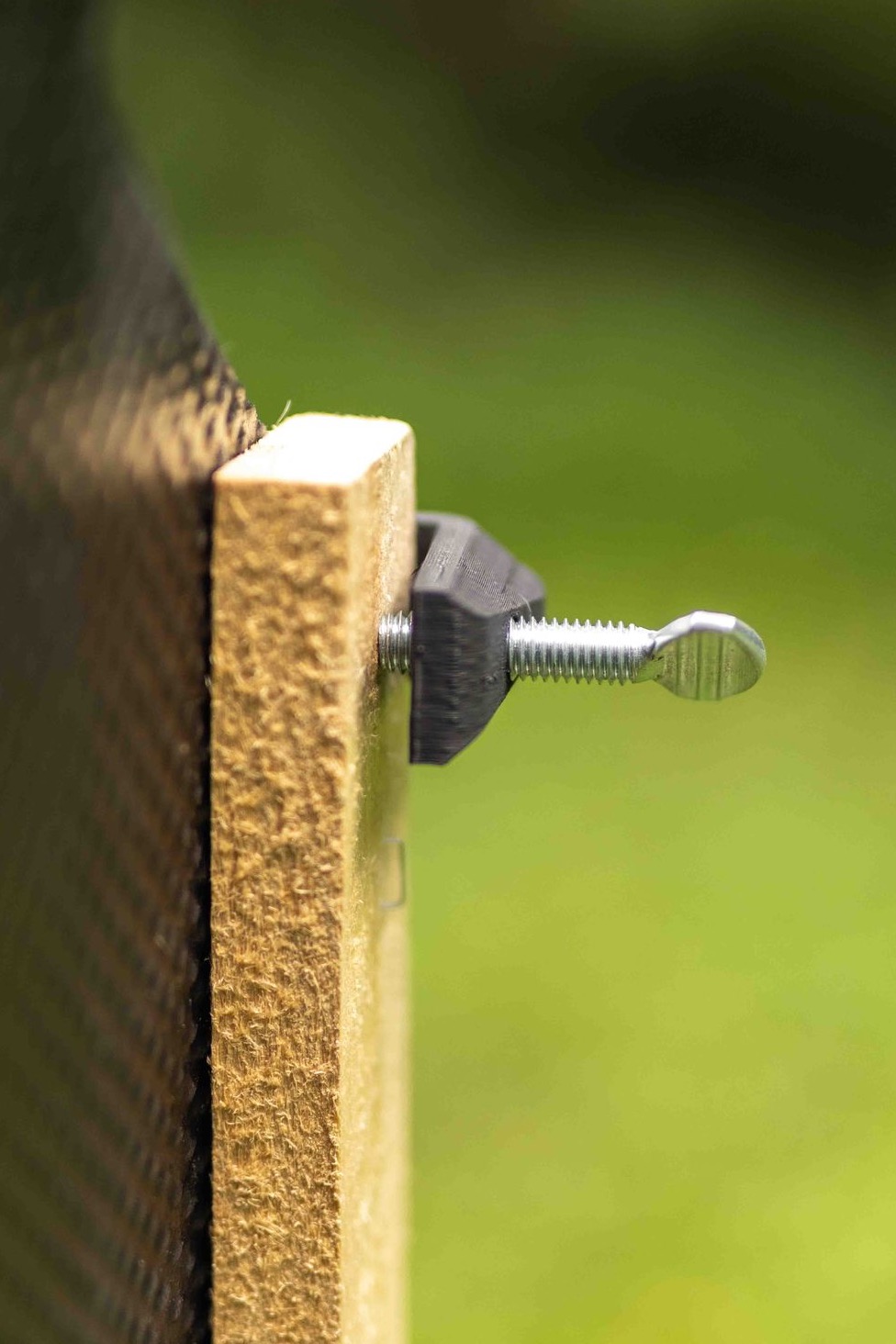
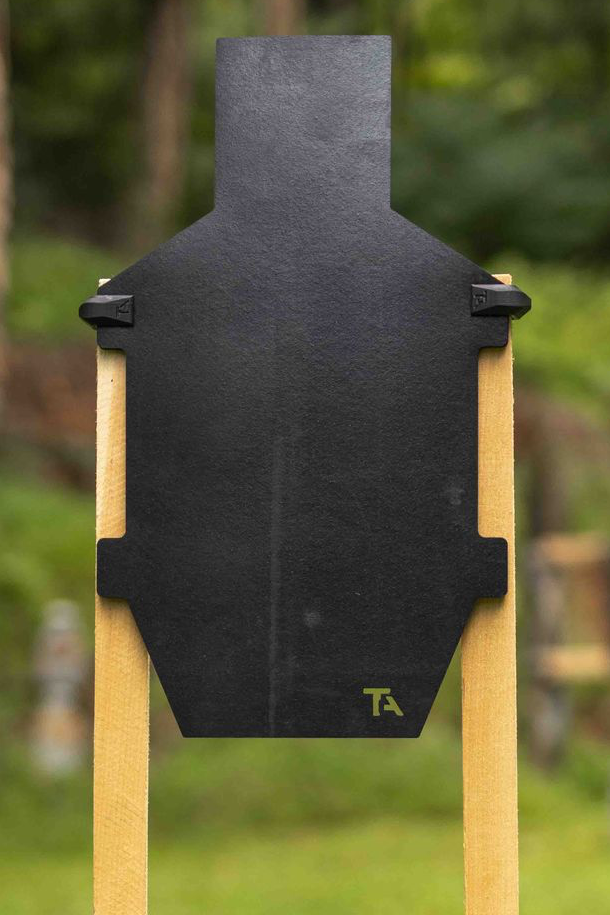
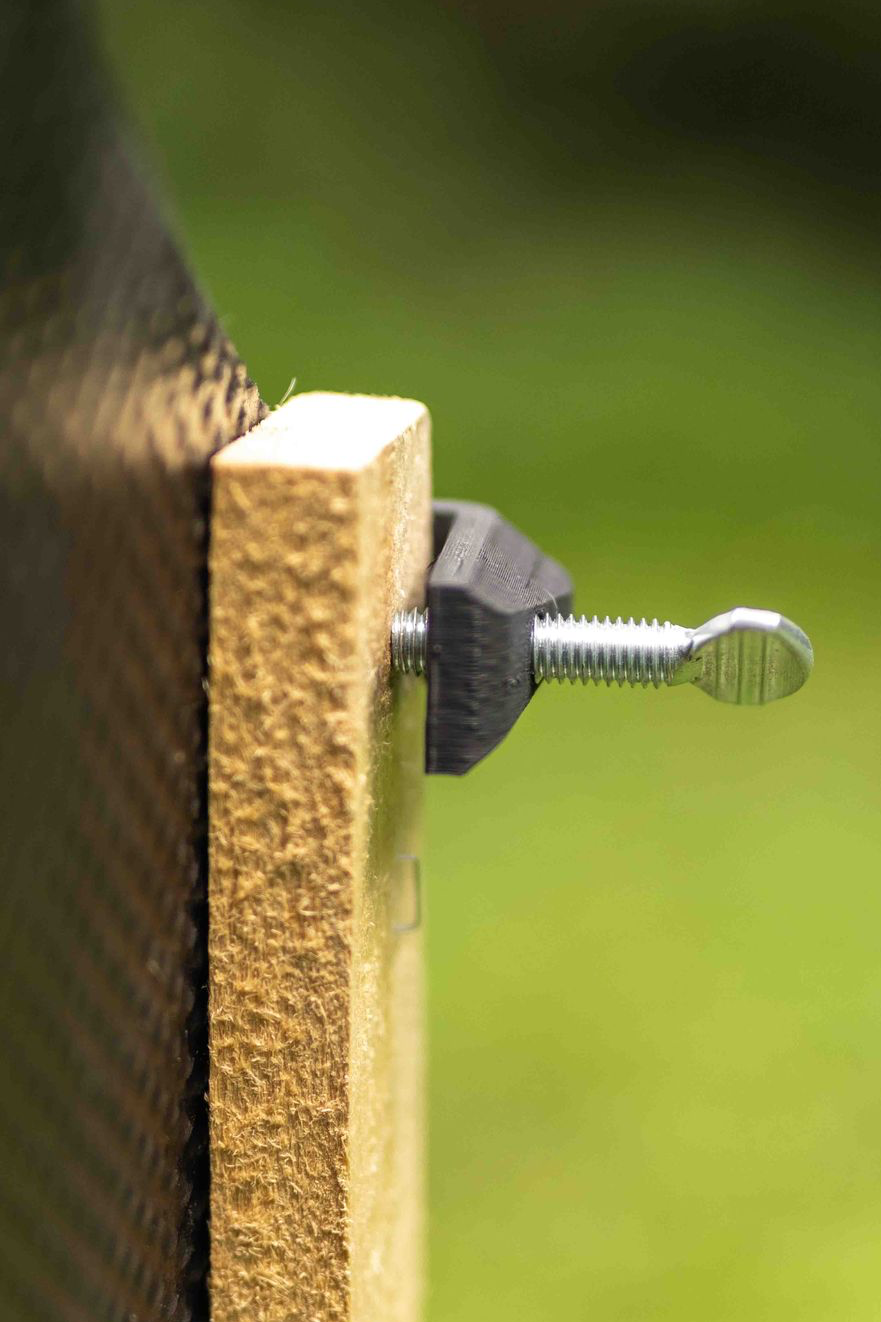
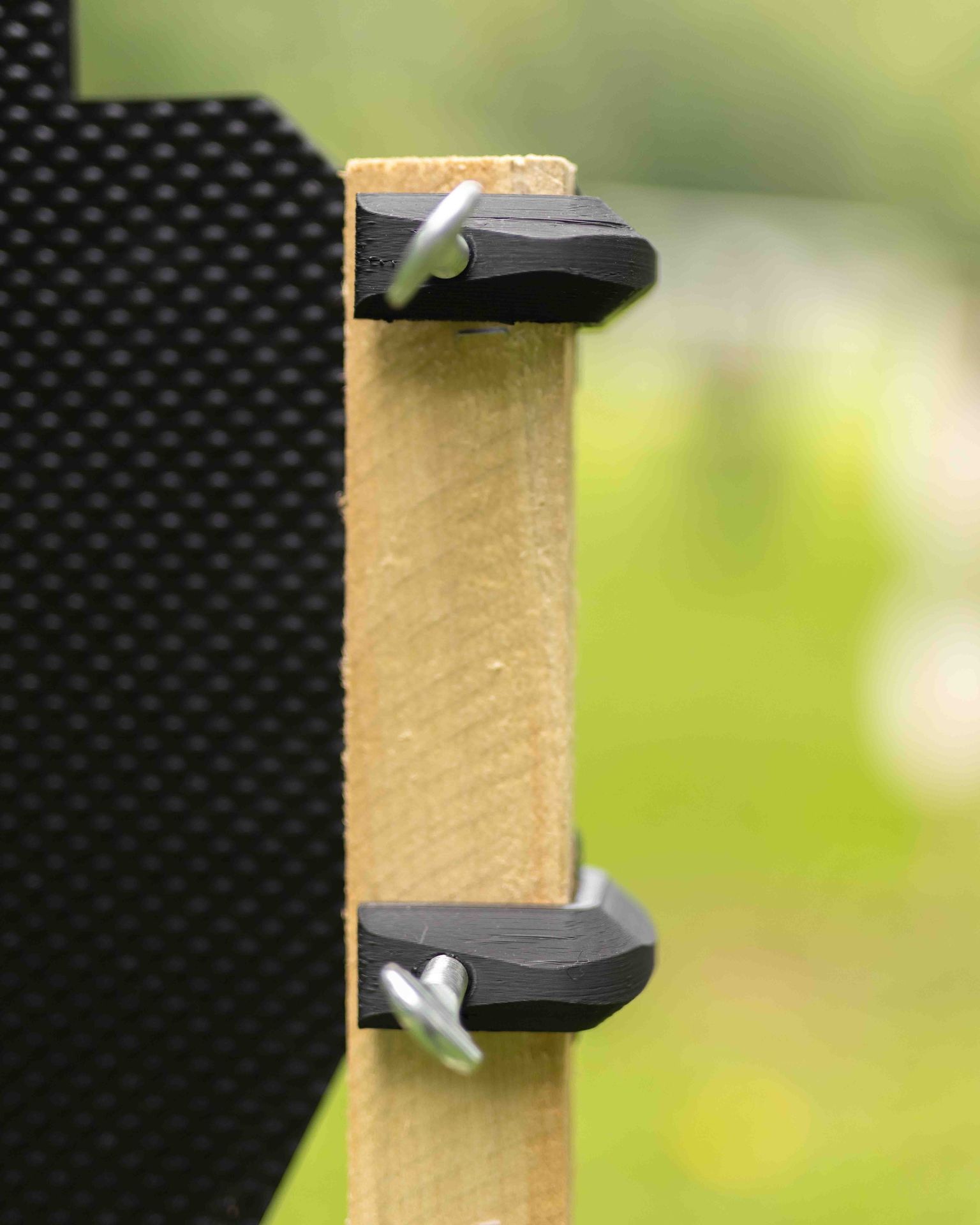
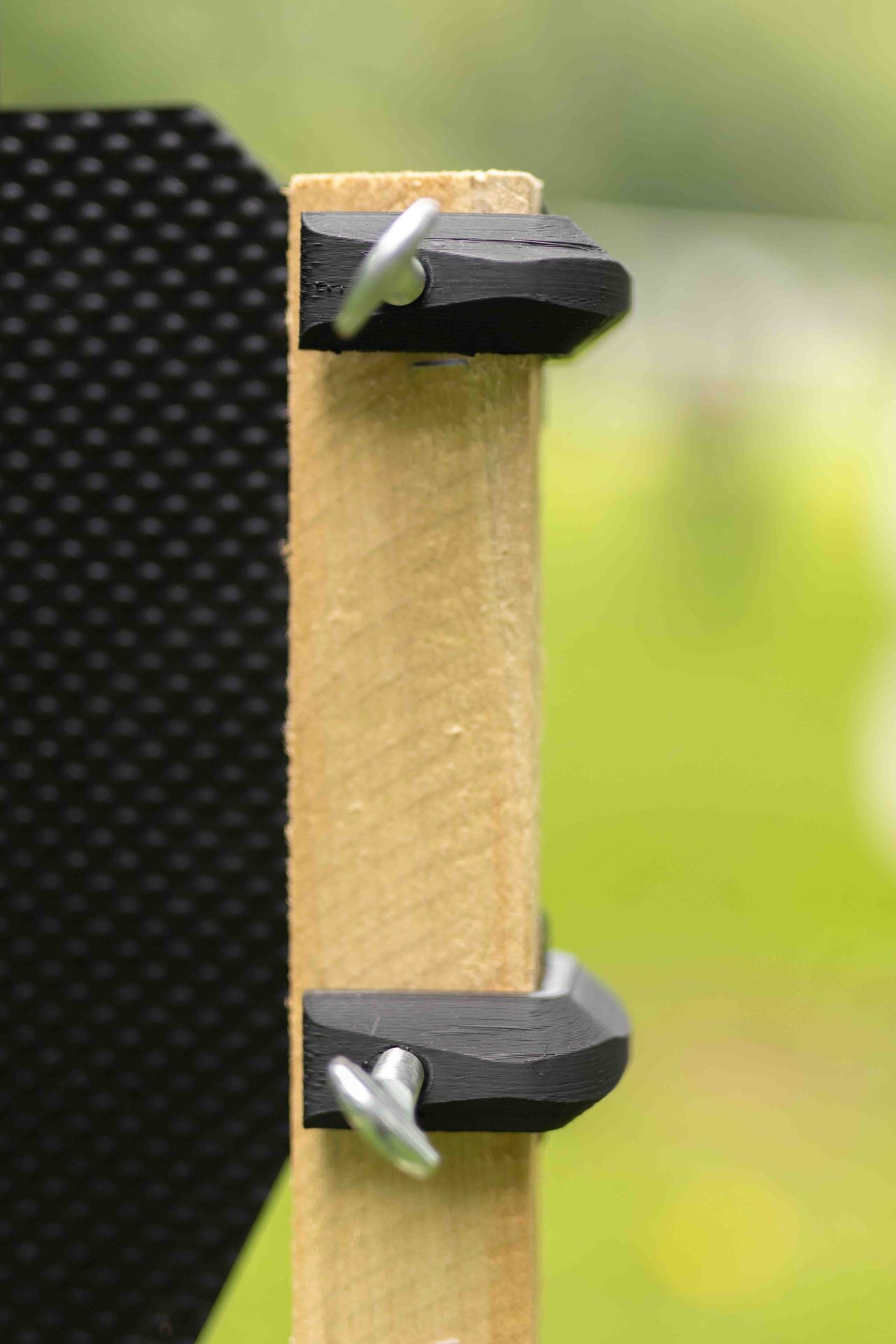
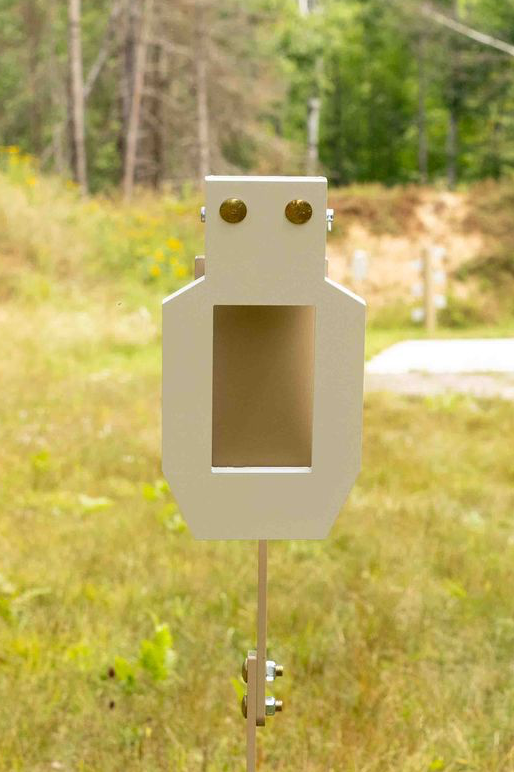
The C-Zone at $139, a 24" x 12" scoring zone, built for the shooter who wants a full C-Zone. Two of our Shooting Target Clamps come in the box, so you set it, clamp it, and shoot it.
V-FLEX | Hybrid Reduced C-Zone Self-Healing Target
A self-healing target at $79.99, a tighter 14" x 8" zone on a lighter target. A smaller target is a harder target, and its mounting footprint is small enough to run on the same TA Targets stand as a Full-Sized C-Zone V-FLEX. Big zone and small zone, one setup, real transition drills.
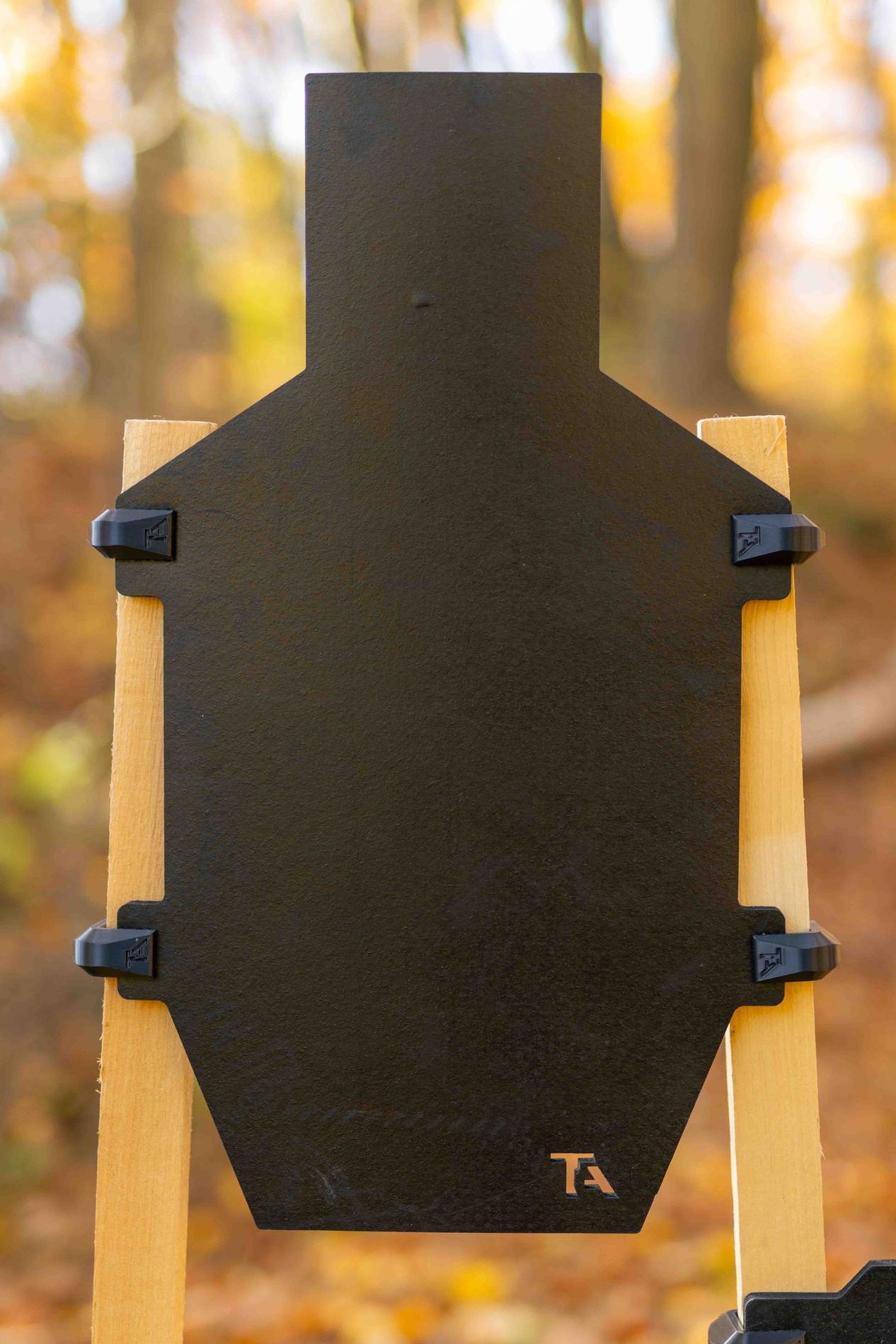
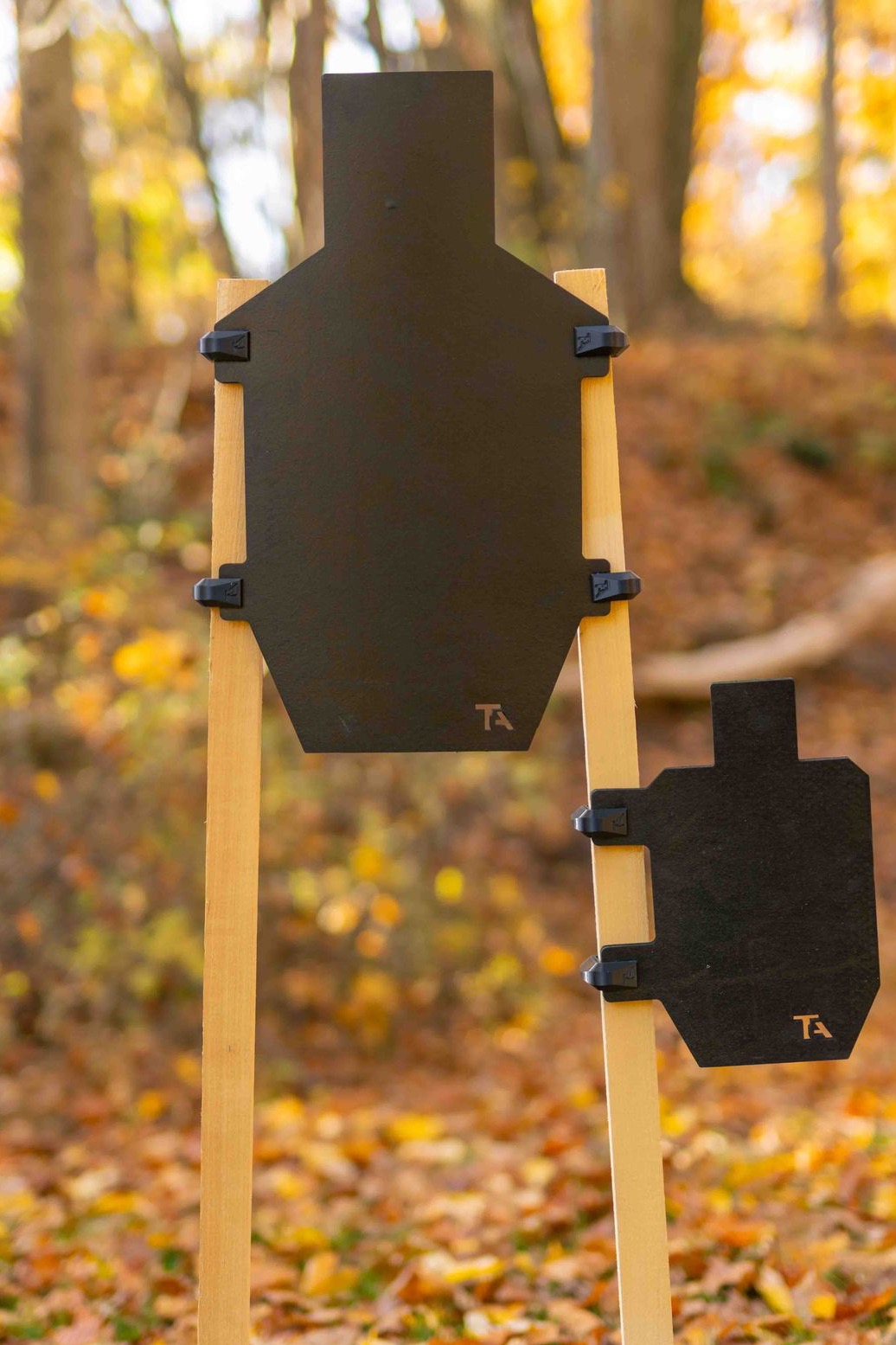
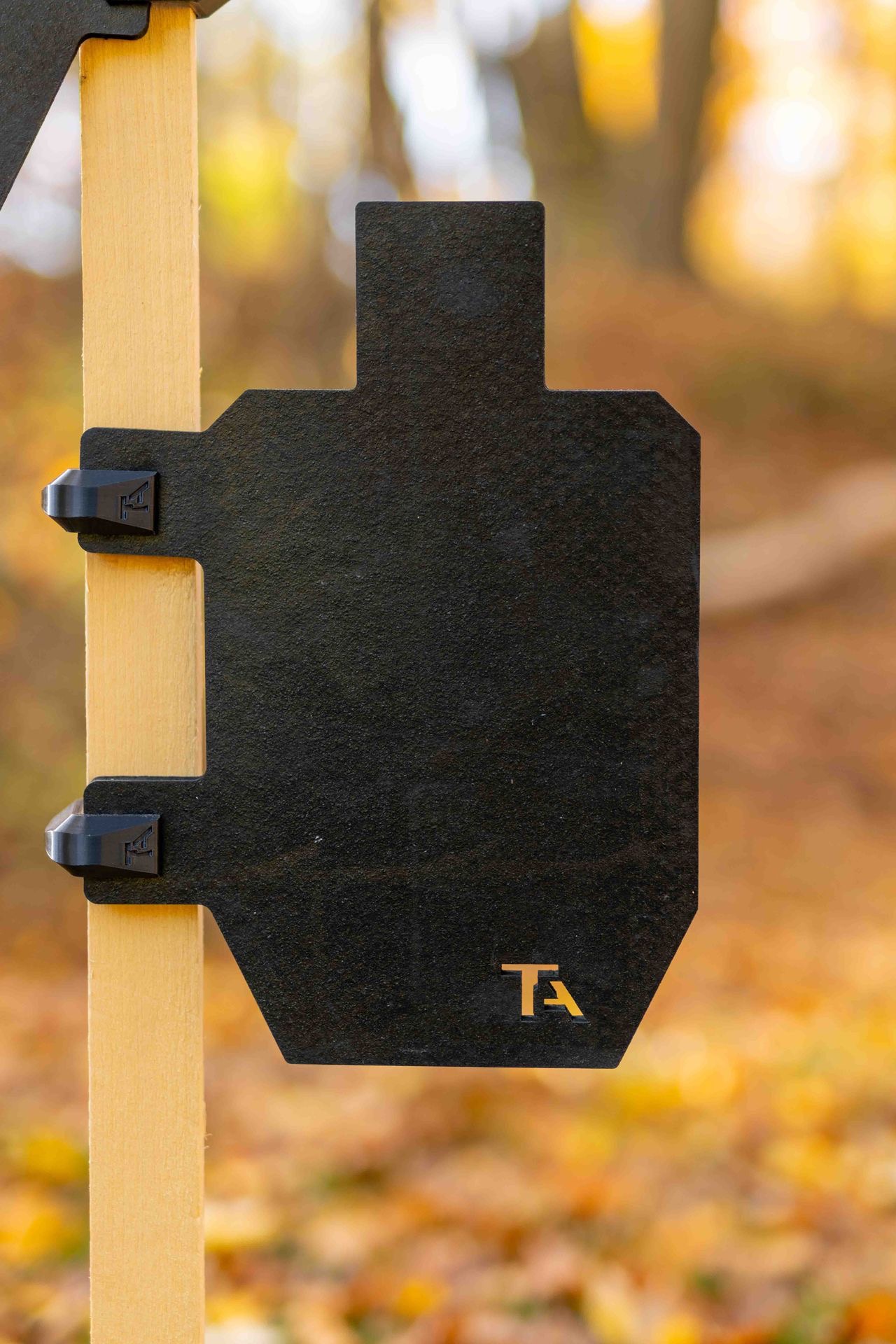
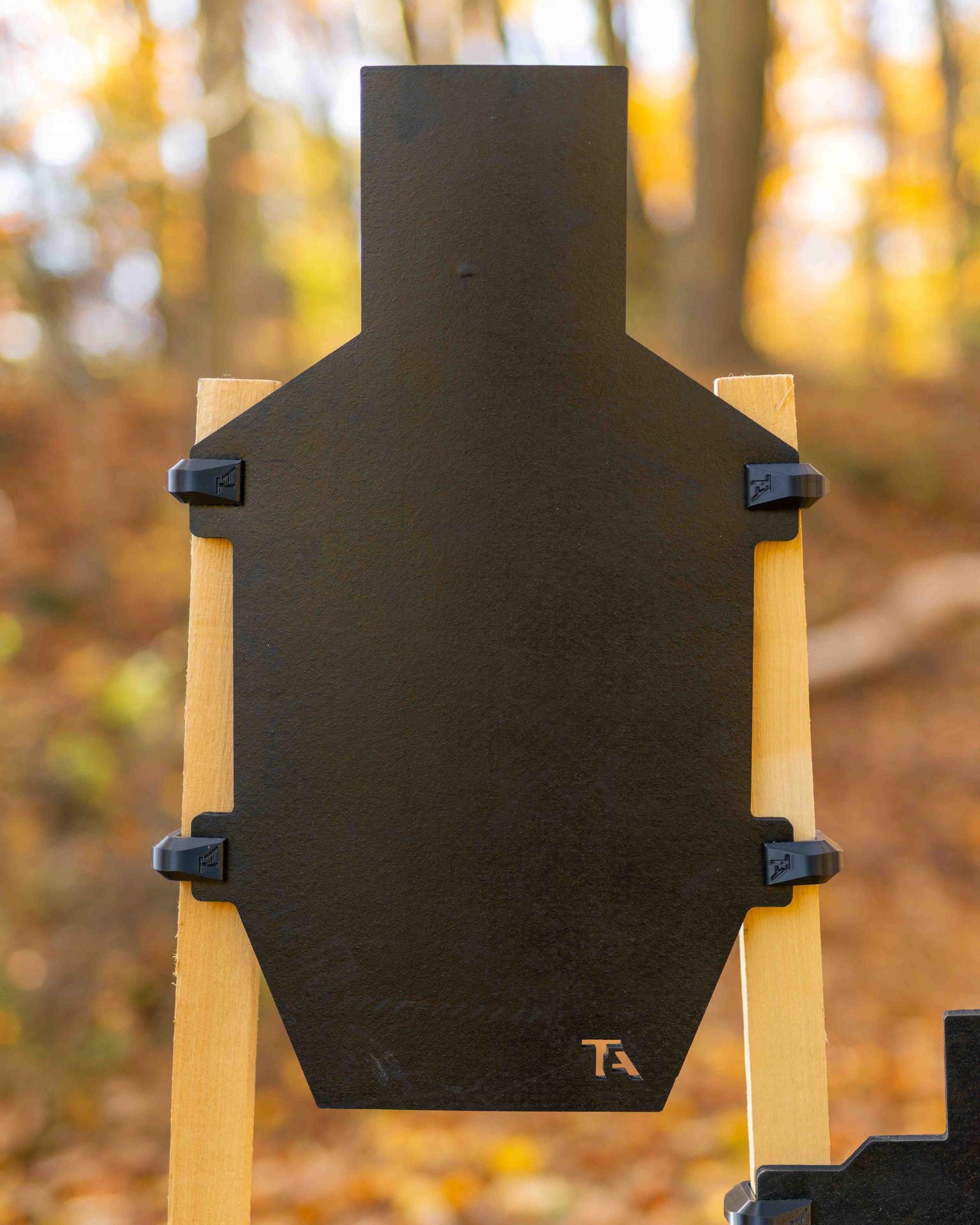
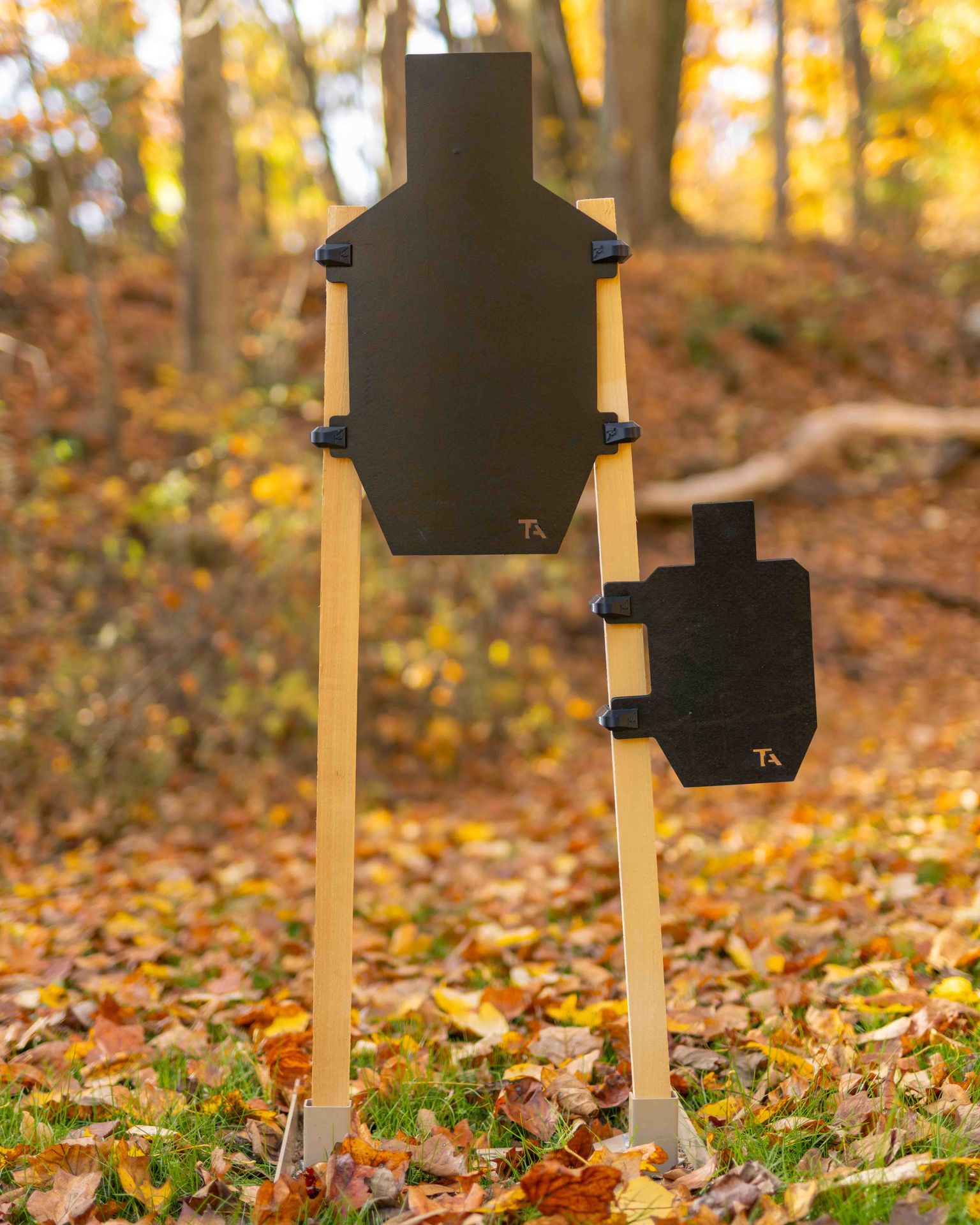
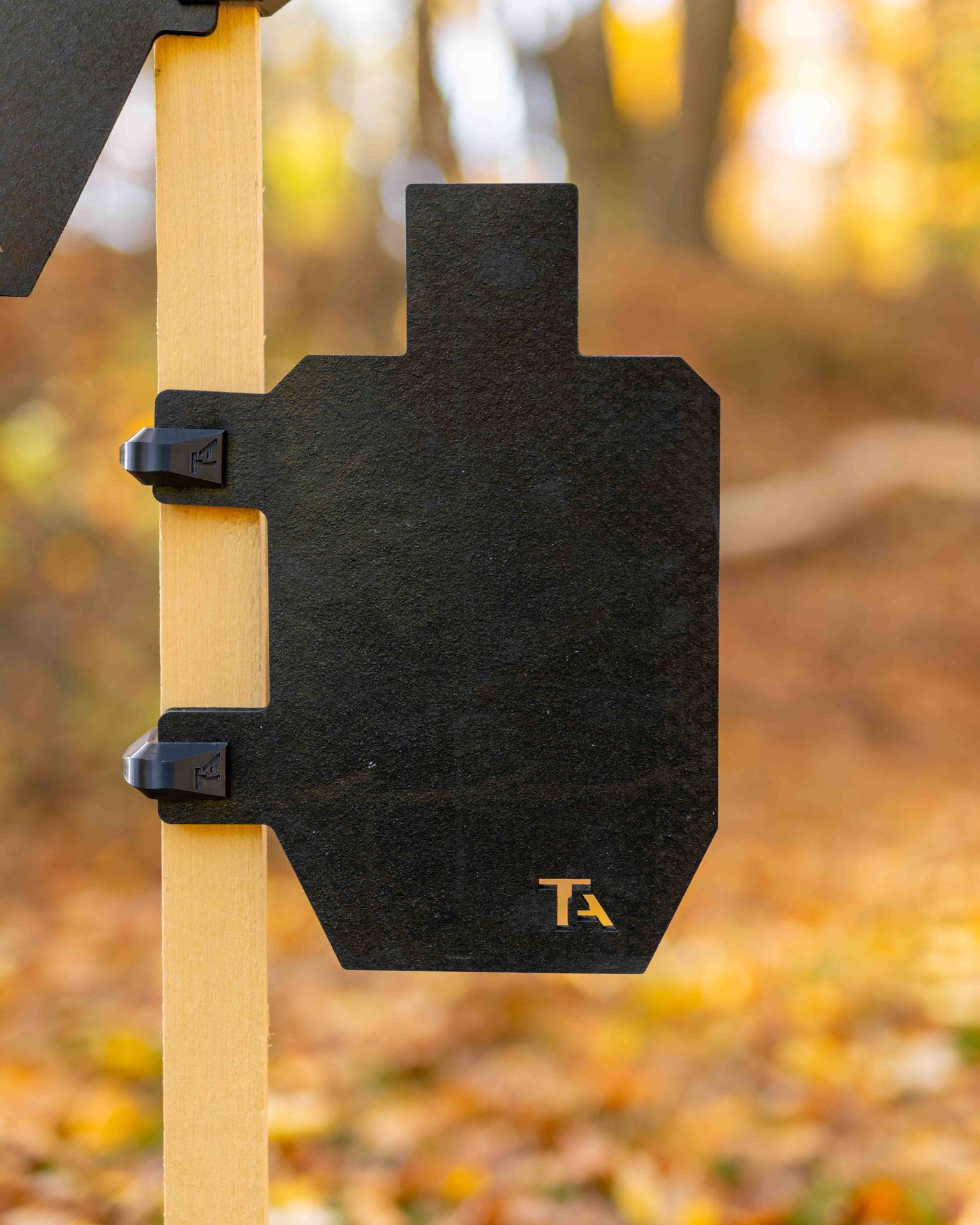
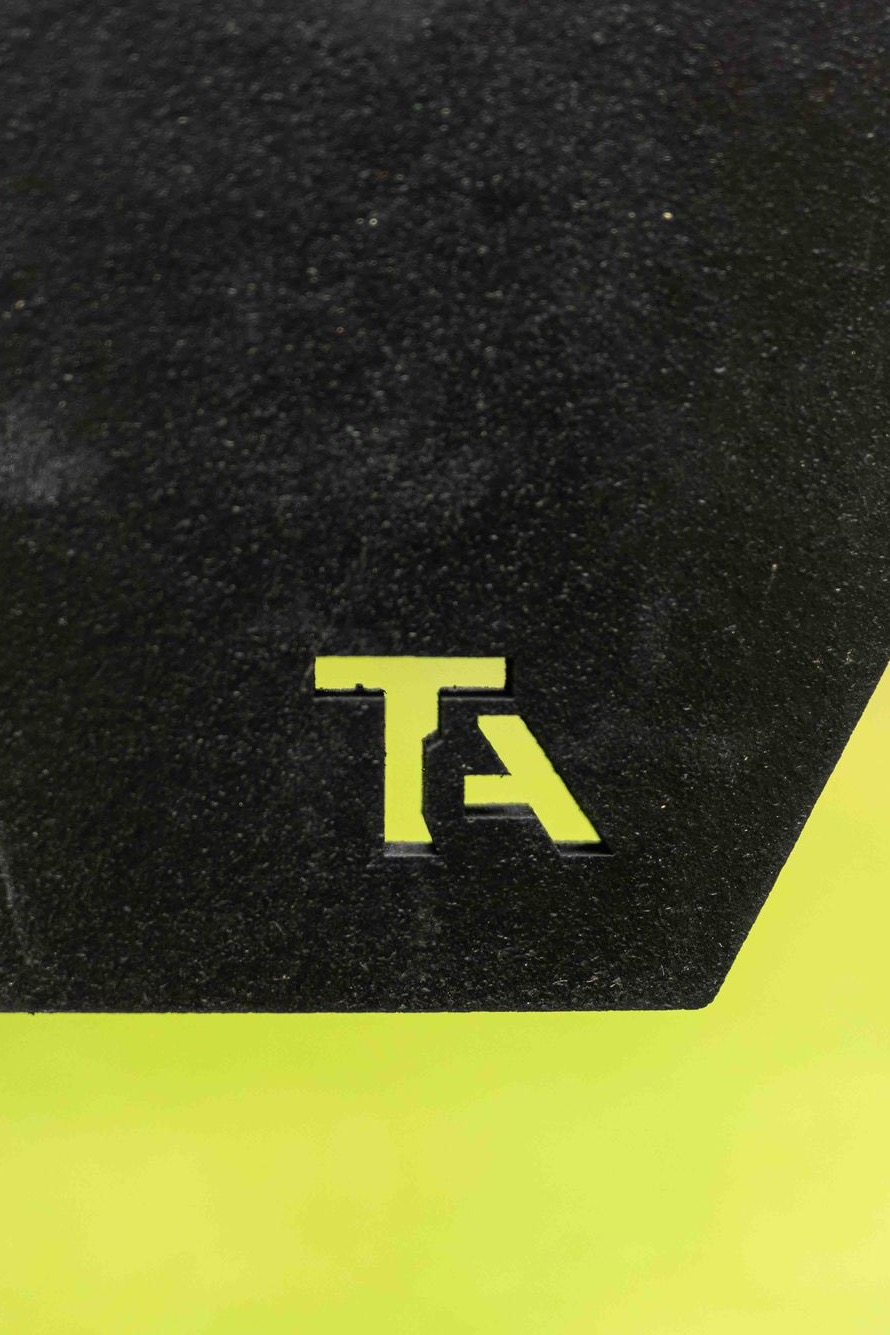
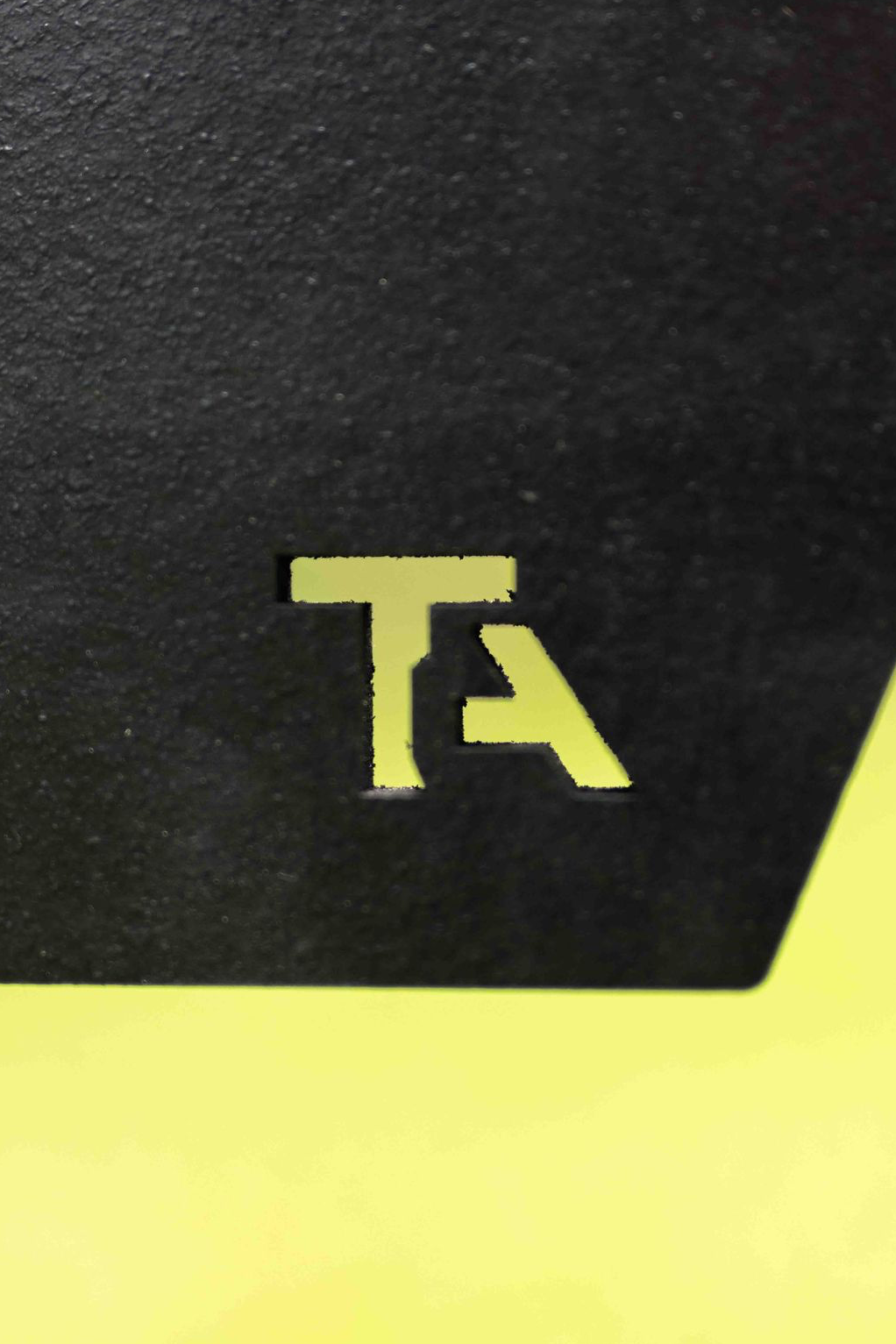
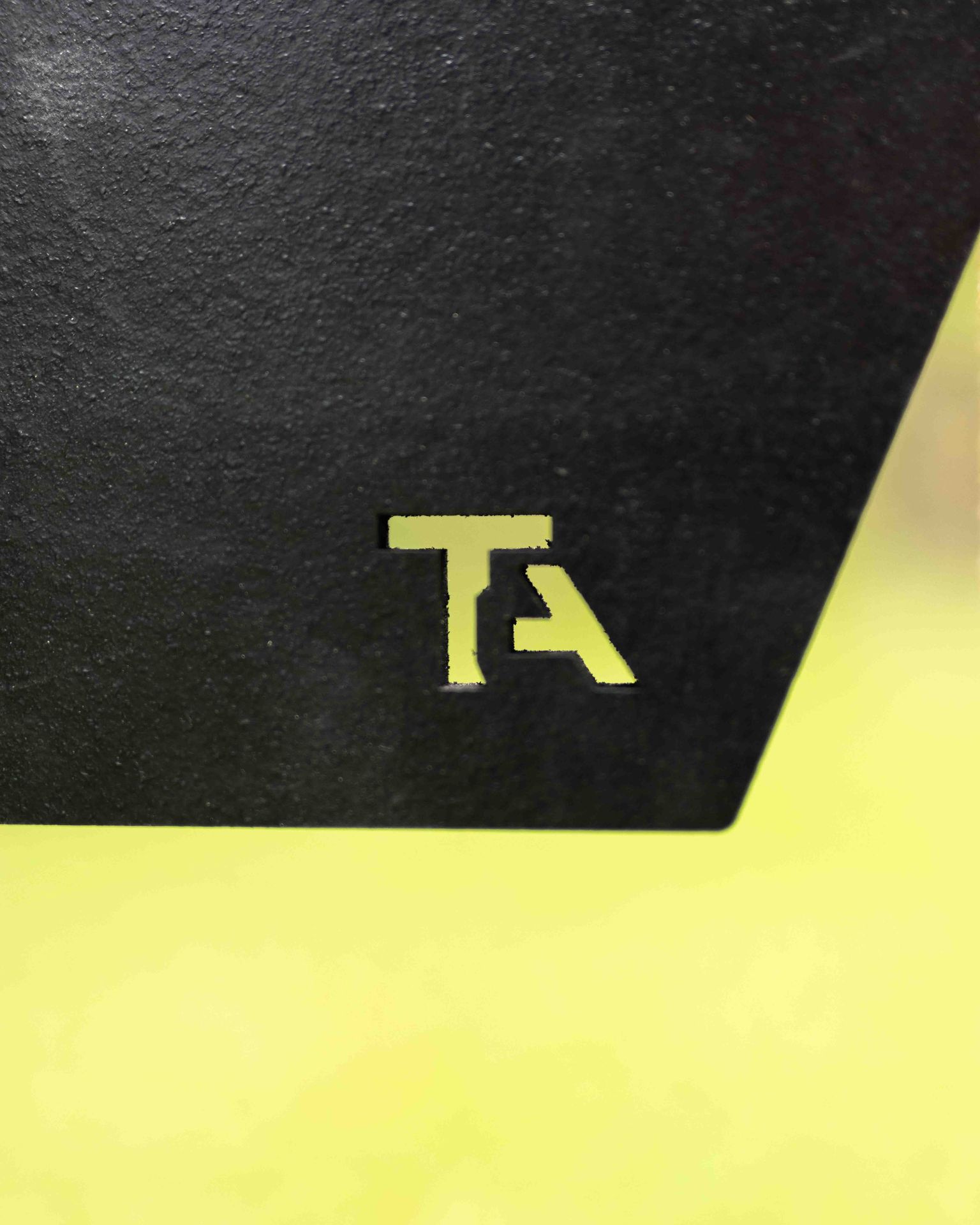
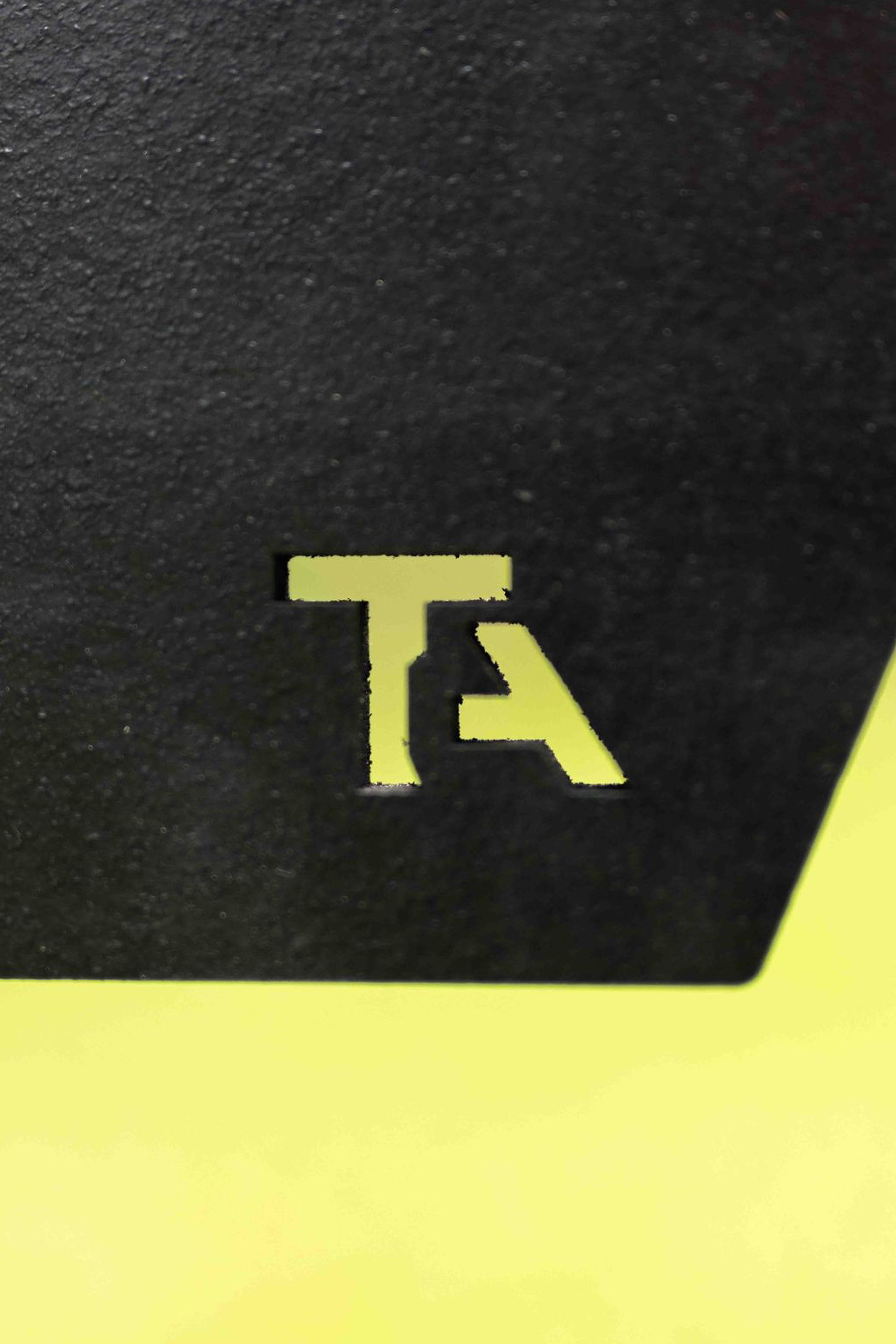
Every one is cut, packed, and shipped from our own shop in Southeastern Pennsylvania. Our logo is cut into the material, not stuck on top. When our name is on it, it's built right.
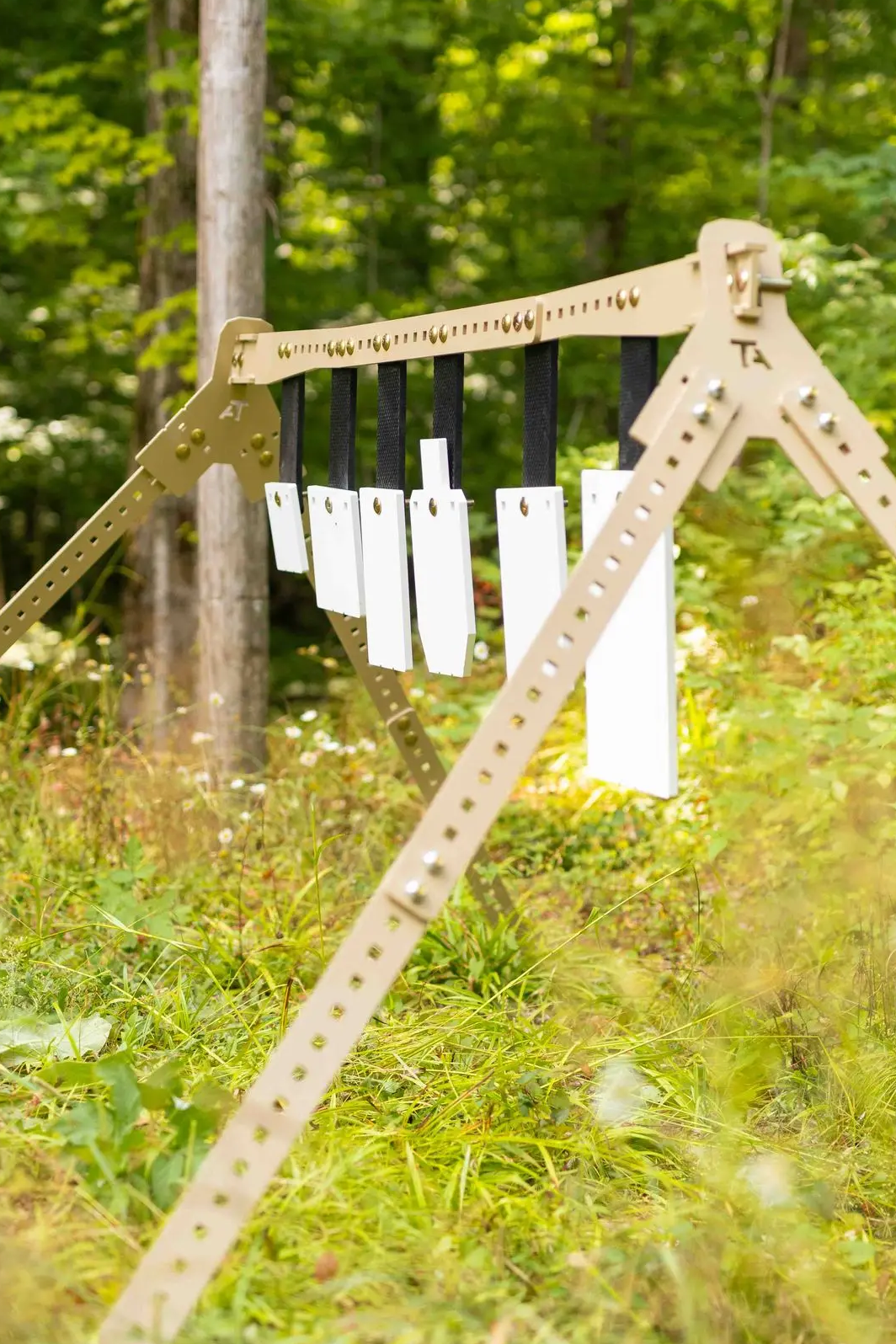
And if you're hanging steel gongs alongside your rubber, we cut mounting straps from the same compound. But that's a setup conversation for another day.
A Straight Word on Fit
If you shoot a few times a year, paper's low upfront cost is genuinely tough to beat, and I won't pretend otherwise. Rubber ends the restock cycle for you, but the dollar payback is slower when the volume is low.
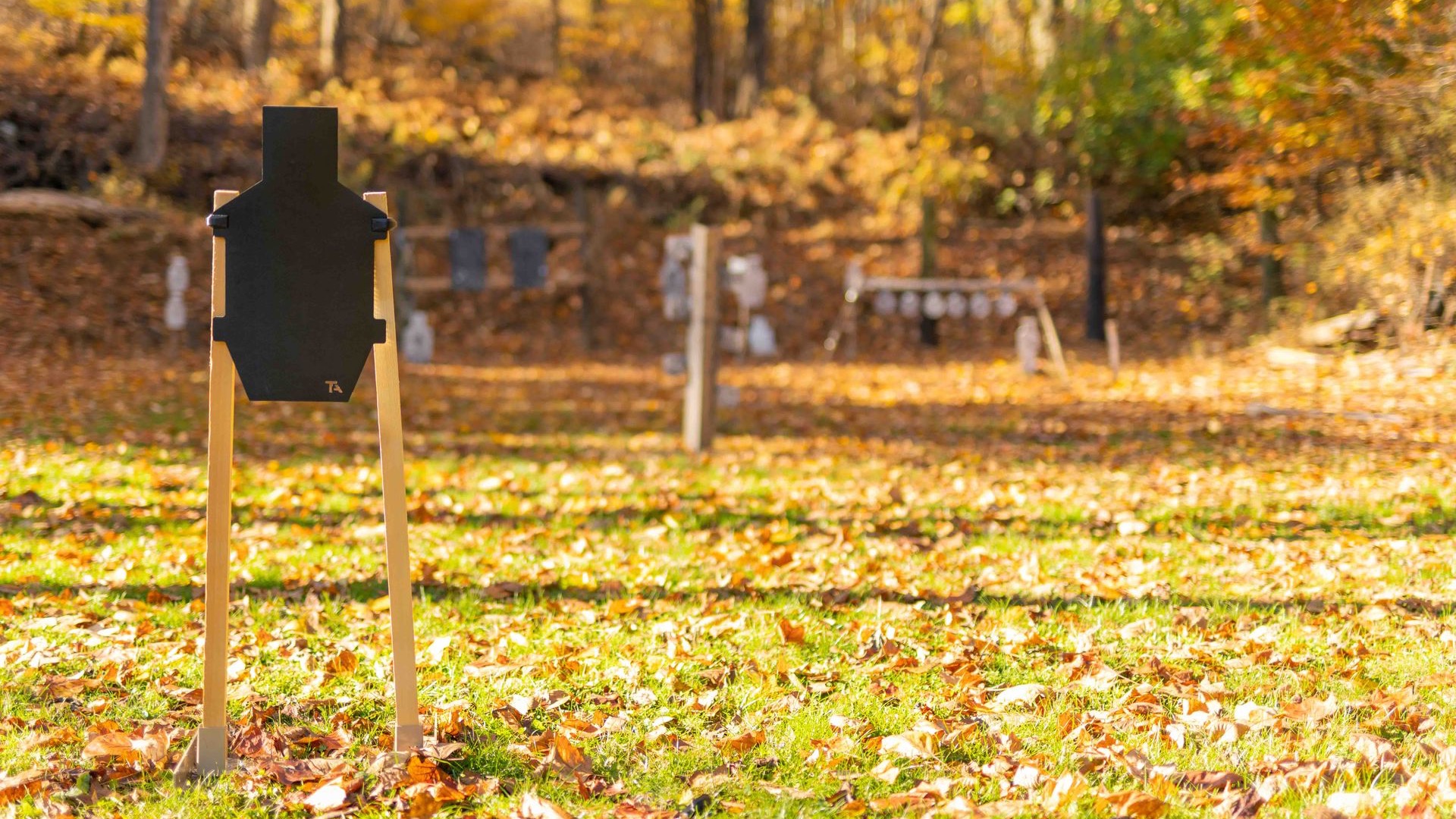
The V-FLEX is rated for ball or FMJ ammunition. Not hollow points, not slugs, not flat nose. It absorbs rounds; it does not stop them, so always run it in front of a proper backstop or berm. Used inside its ratings, it's covered by a 3 year warranty.
Answer: Rubber vs Paper
At the end of it, this was never really about $0.70 versus $139.
It's about the shooter who trains more because the cost and time input was less. The competitor who got their reps in without watching every target turn into a receipt.
Train more. Waste less. Become a more capable shooter than you were last season.
V-FLEX Rubber vs. Paper Targets: What High-Volume Training Really Costs