
Jacob Beyer came to us with a property and a deadline. He’d taken over a range outside Dublin, Texas and was rebuilding it into a commercial facility open to the public. What he needed wasn’t just a list of targets... it was a layout that would benefit every kind of shooter who’d eventually walk onto it.
He Wasn’t Supposed to Be Here
Jacob wasn’t originally trying to build a shooting range. He was going to be a hunting outfitter.
He’d leased a ranch in South Texas for big game. Scouted it, set it up, put his money in but two weeks after he had everything ready, the landowner backed out. He pulled his cameras off the property and drove home to Stephenville feeling defeated.
A day later a different landowner called him about a different piece of ground locally. There had been a range here before but the owner wanted out, and his pitch was direct: you need something to do, and you’re the kind of guy who can do it.
Jacob told him the truth, that he’d just taken a huge hit on a huge lease and didn’t expect to see that money again. Then he said, “But why not?”
Why Him
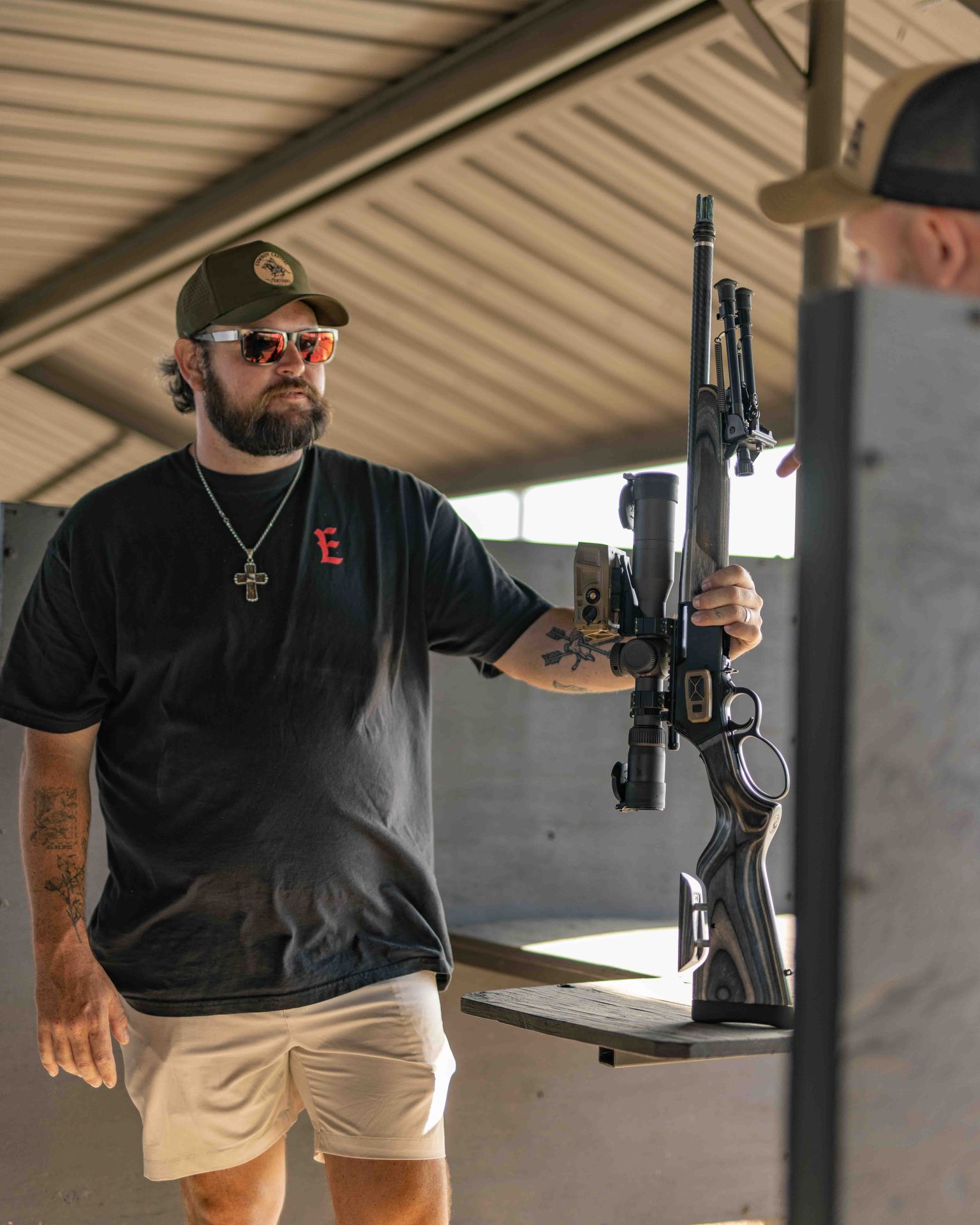
Thirty years in that community, and nobody else had stepped up to do it. His words: “I just felt like it needed a chance, and like I needed a chance. And maybe if I built something, it would build me.”
Stephenville calls itself the Cowboy Capital of the World and that's where the inspiration for the name "Cowboy Capital Ventures" came from. Jacob’s explanation is that for every three miles there’s an arena and for every five miles there’s a PRCA cowboy. He said the name once and it stuck.
The Struggle of building a range
People picture a range as a berm and some targets, but it's way more complicated than that.
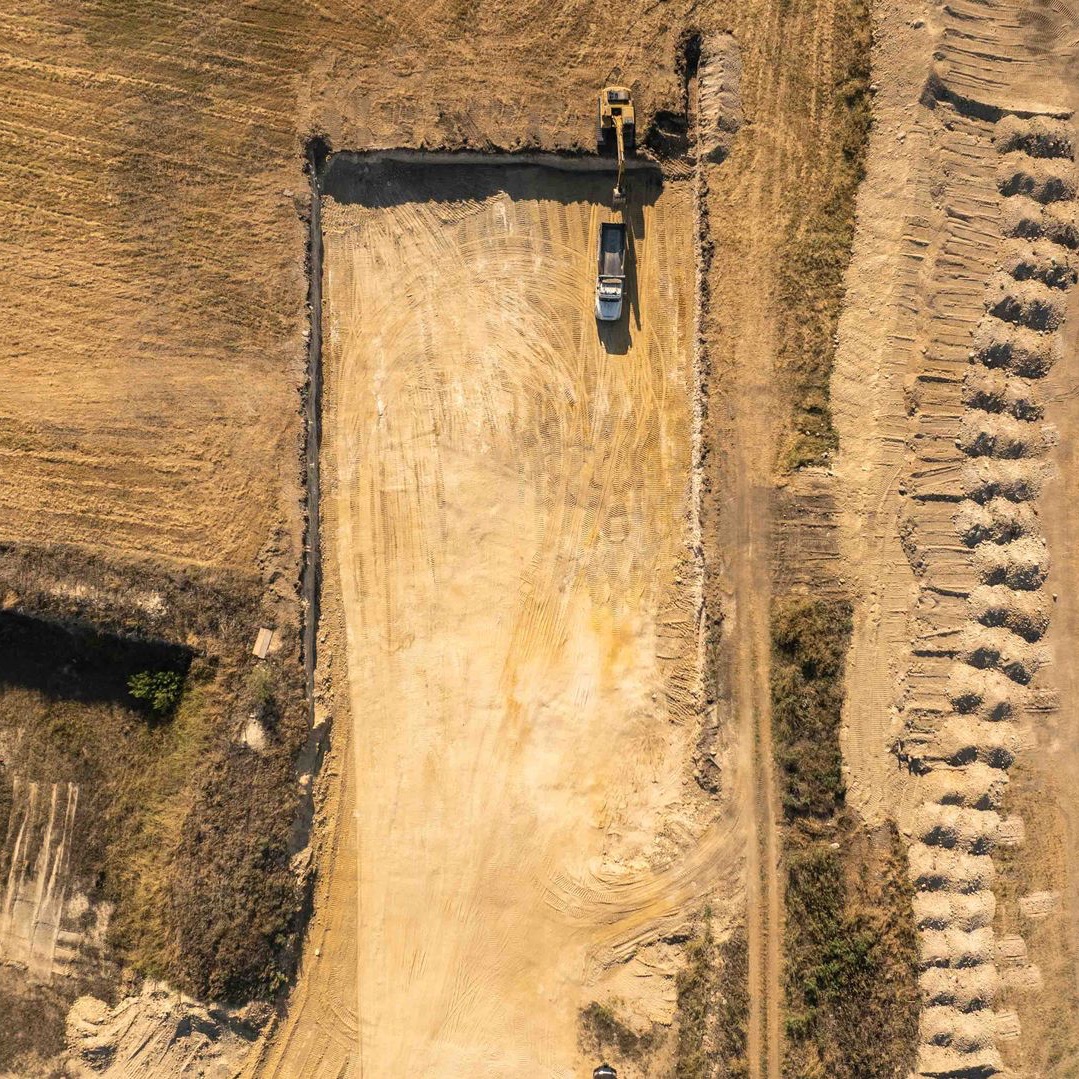
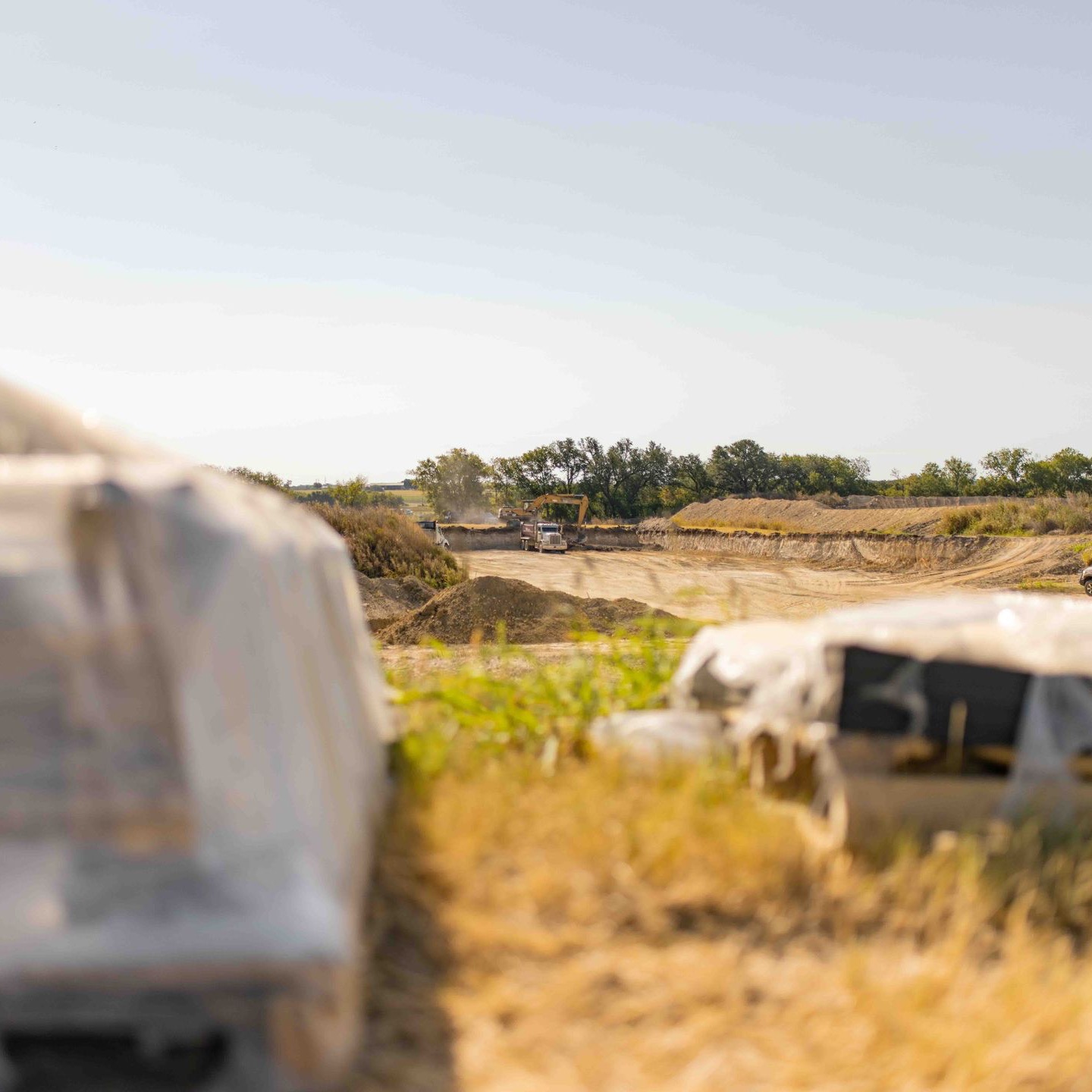
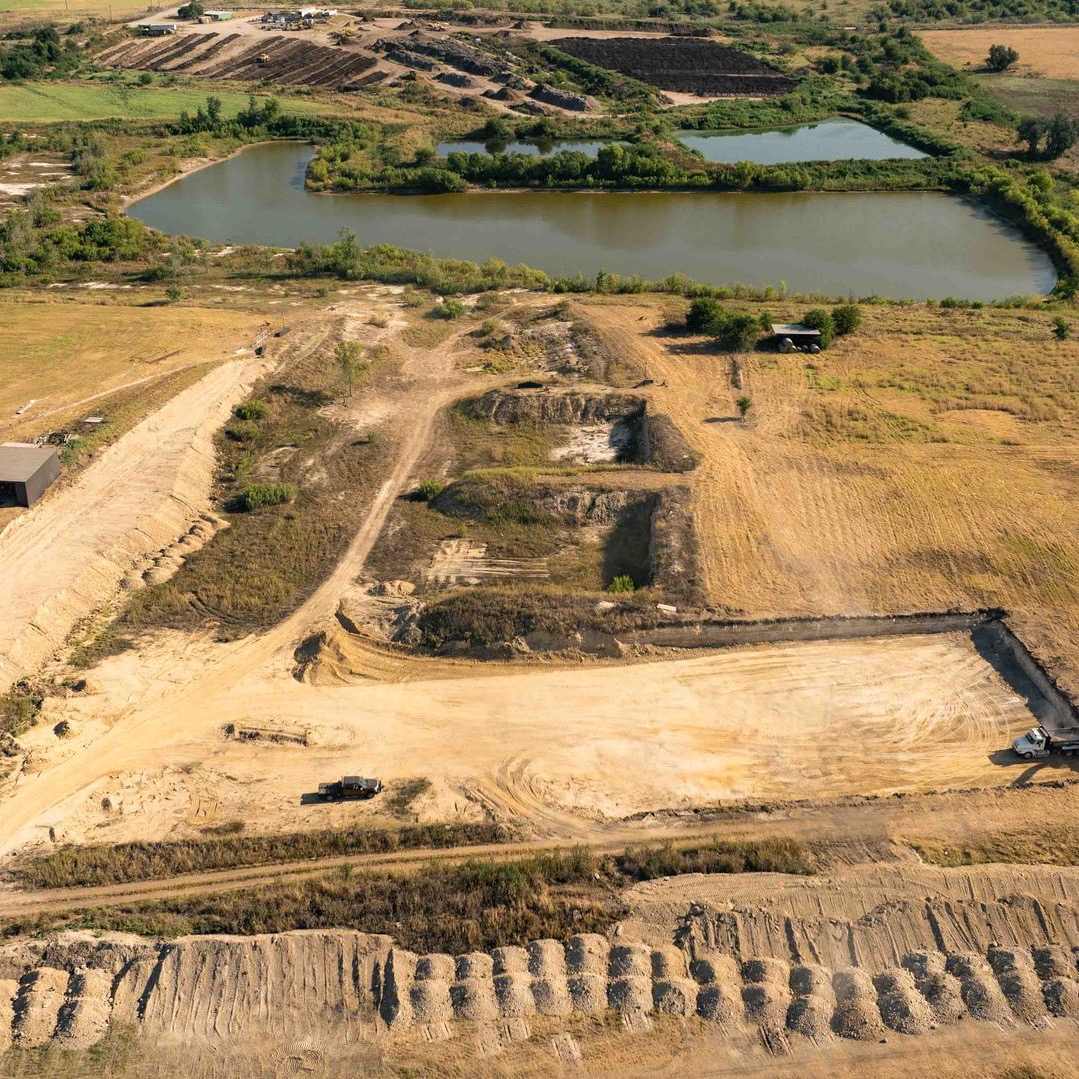
For his range, almost 20,000 cubic yards of dirt had to move. In comparison, a home range runs about 4,000 cubic feet. The amount of work going into this build can bring about some unforeseen issues.
Jacob put it plainly while it was happening: the pipes were busted, wiring shorted, if anything could go wrong it had.
Rebuilding what you already built once doesn’t just cost money, it also costs energy. Ranges are complicated and expensive so doing right from day one is incredibly important.
Building the target systems
For the first trip, Jacob had us come out and do the install. A range package shows up on skids with manuals, and a crew that’s never built one can absolutely figure it out, but it takes time while there is many other projects happening. The other benefit of us being there to set it up is that it will be done right from day one. We have seen it happen before where ranges will buy our steel and then come back a year later with questions due to a poor setup.
On a build with a hard opening date, Jacob’s crew had better things to do than read assembly instructions.
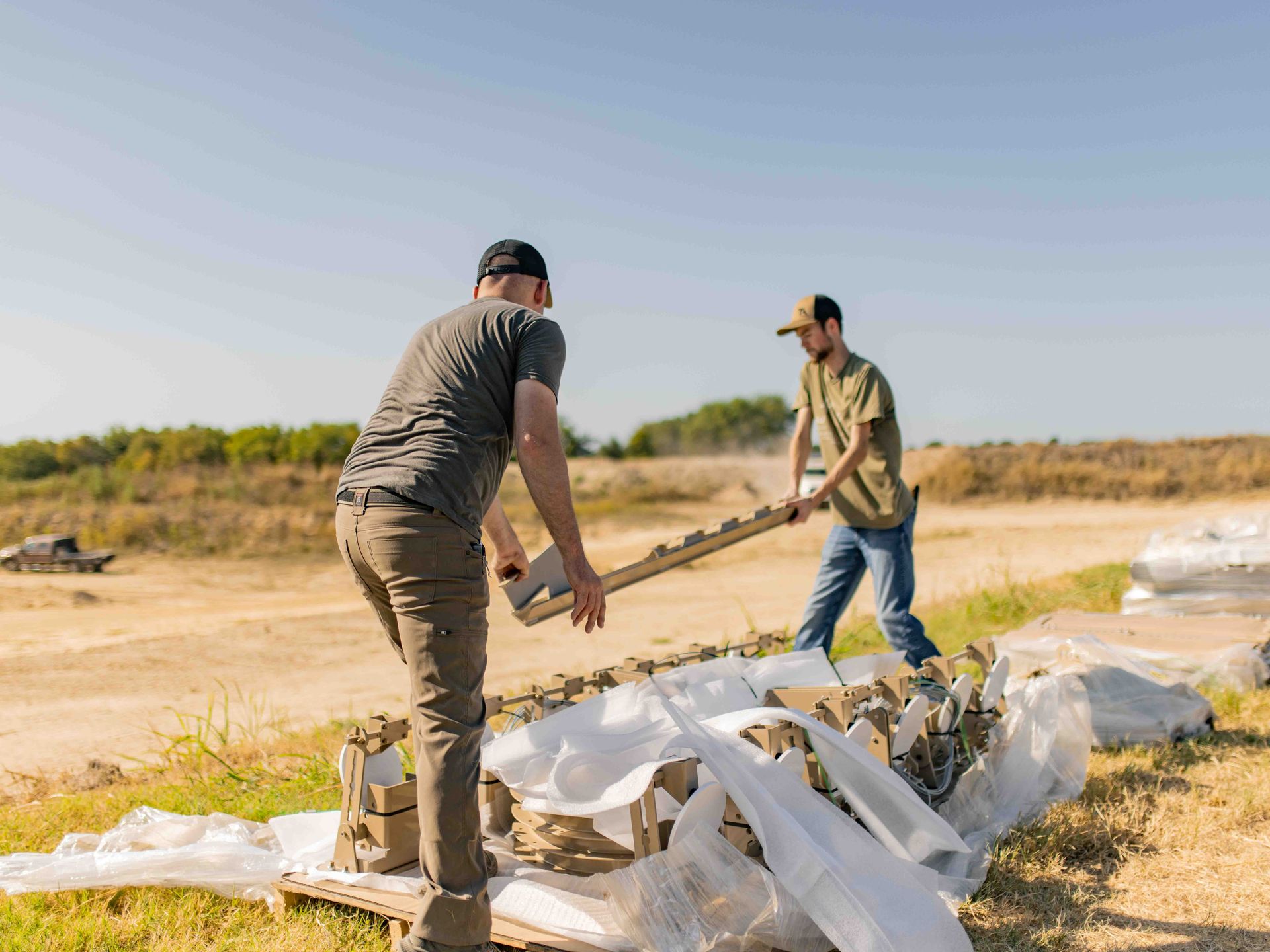
So our team went down forty-one days out and built the systems. Then we came back right before opening and set them in their final positions, dialed in against the bays as they’d been cut rather than as they’d been drawn months earlier.
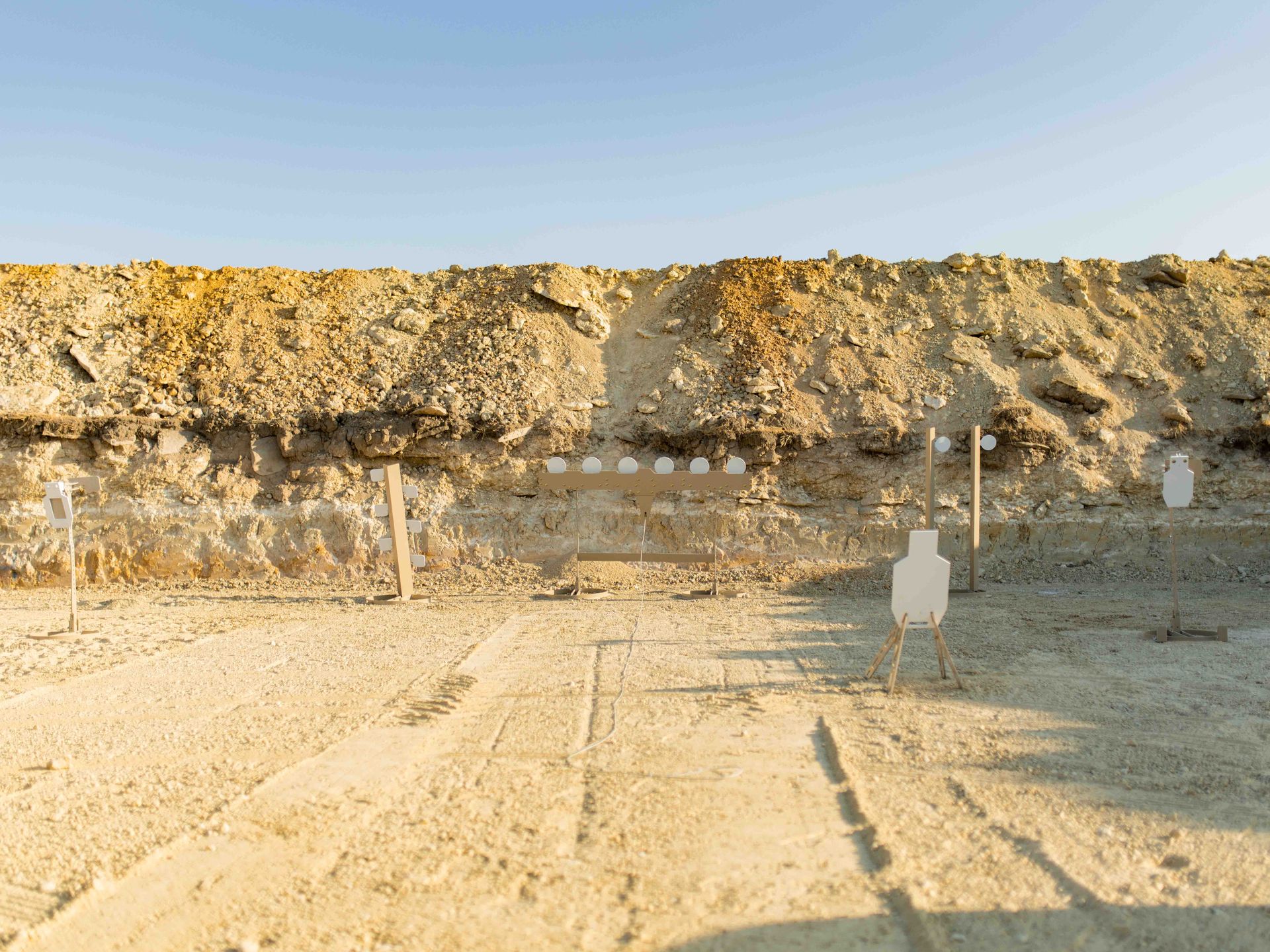
He got his time back, and he got a range that meets our standard instead of one that approximates it.
More Than Steel
While we were on site that first trip, we spent downtime walking the property with Jacob mapping out what some of his bays could become.
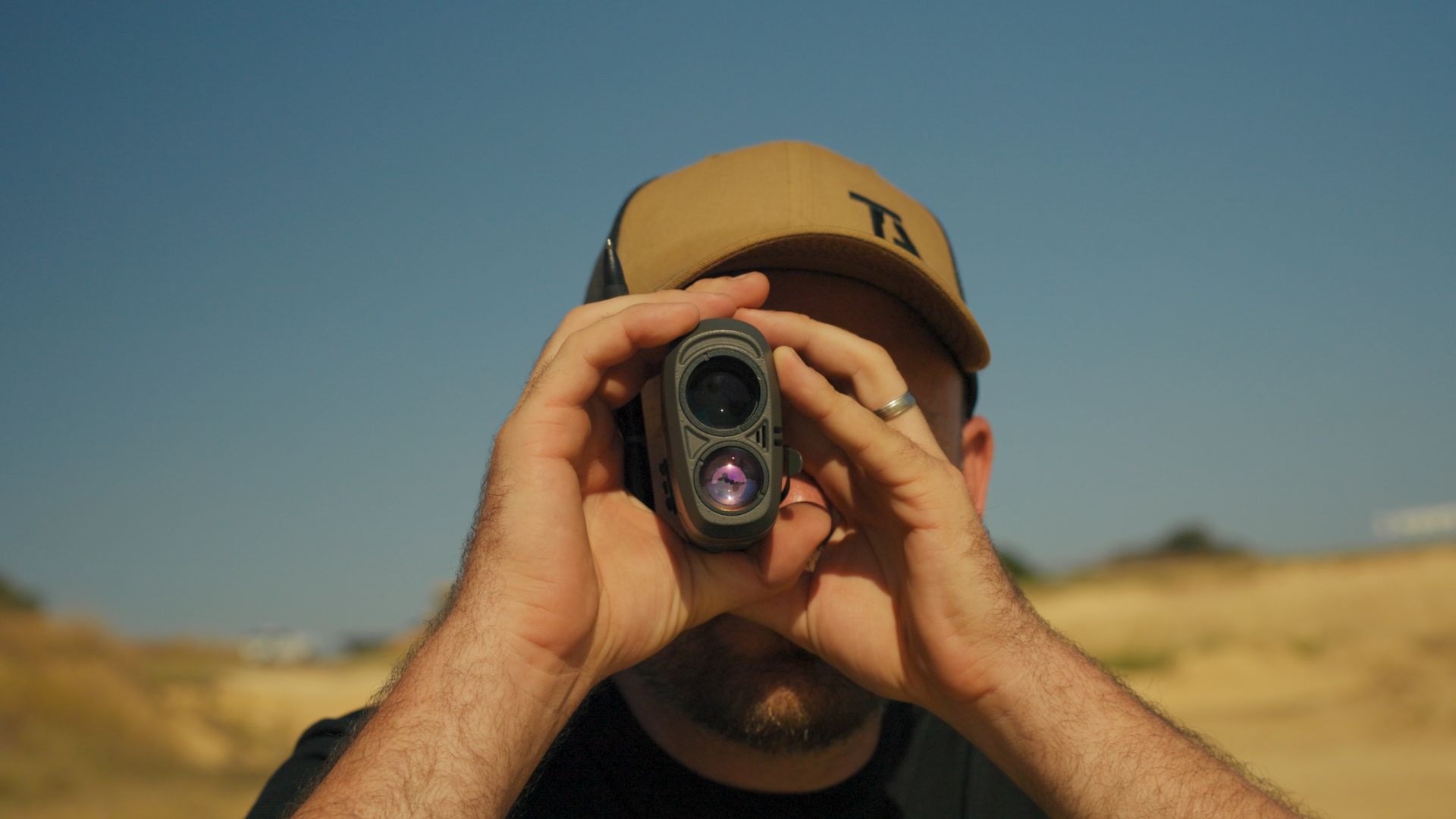
We also sat down with his marketing team. Talked through what they were planning, what we’d recommend, and more usefully, what we’d recommend against. We’ve spent eleven years making mistakes in that exact area. There’s no reason for them to repeat ours.
That’s where we’ve landed after a decade of this. You can ship somebody the best plate in the world and still leave them with a bad place to train or a good range nobody knows about. If we’re going to put our name on a build, we’re going to help with the parts that don’t ship on a skid.
What’s Out There
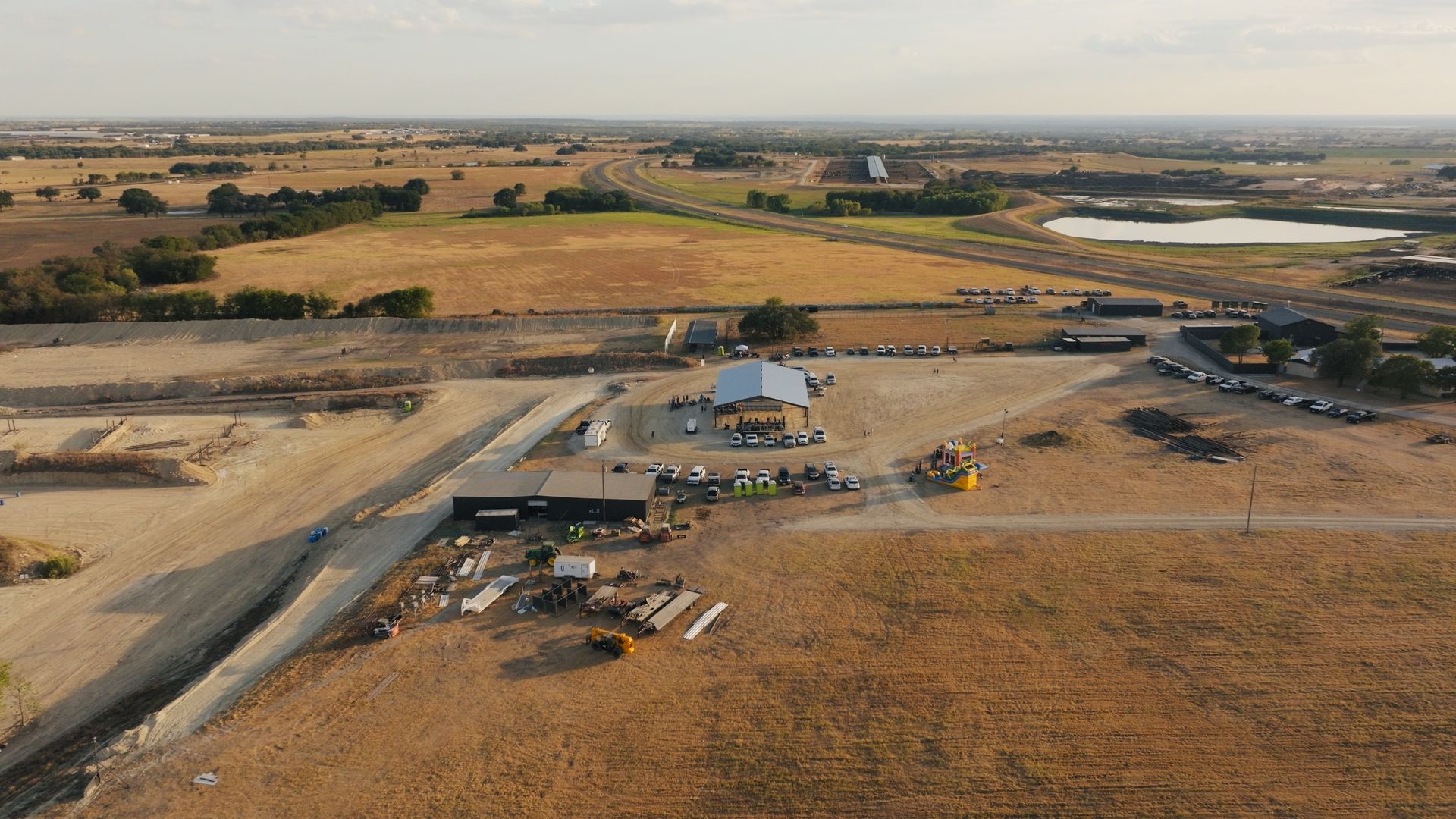
The first building in the driveway is the store filled with hunting gear through tactical gear, shotguns, pistols, rifles. Around back, the gunsmith and archery shop have their own wing because there wasn’t room to house them together. A 60x100 pavilion with a stage is going up for concerts.
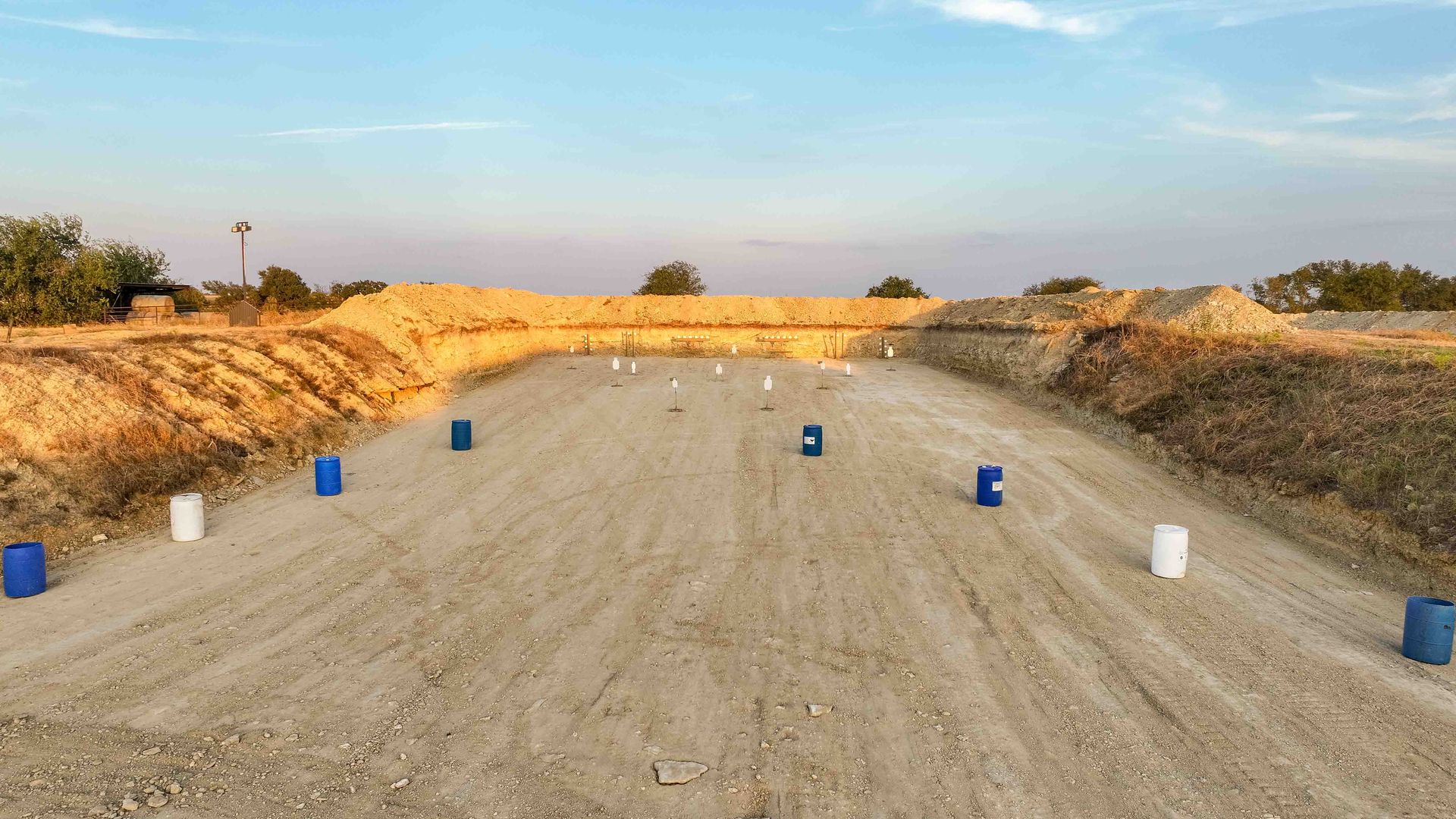
On the shooting side:
- Two tactical rifle and pistol bays, at 60 and 100 yards
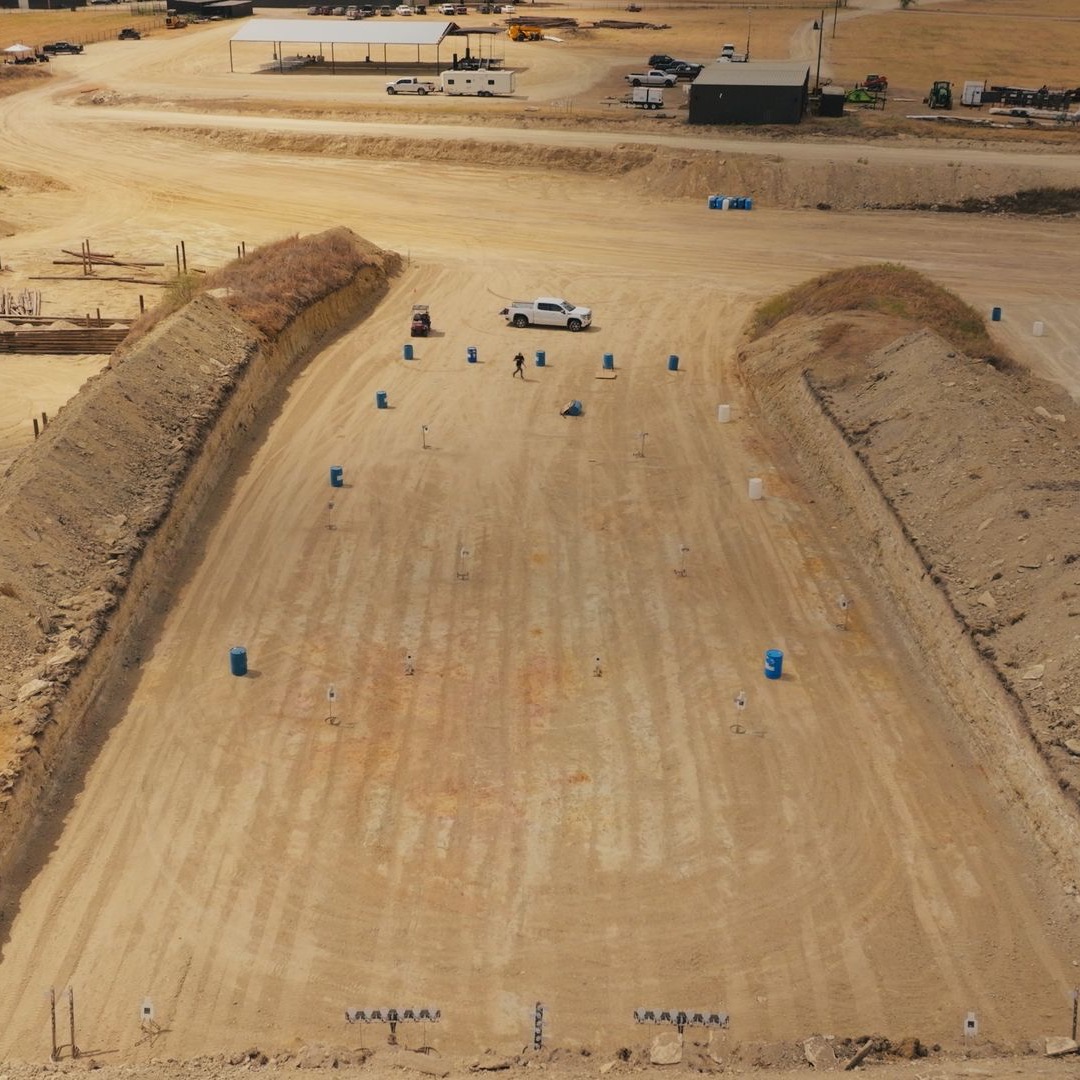
- Four pistol and subsonic bays, 35 by 30 yards each
- A 300-yard rifle range with 15 rifle shooting positions
- A 100-yard archery range
- Sporting clays
- five stand with arena lights already up and black lights coming for night shoots
- Guided hunts, with trap and skeet planned
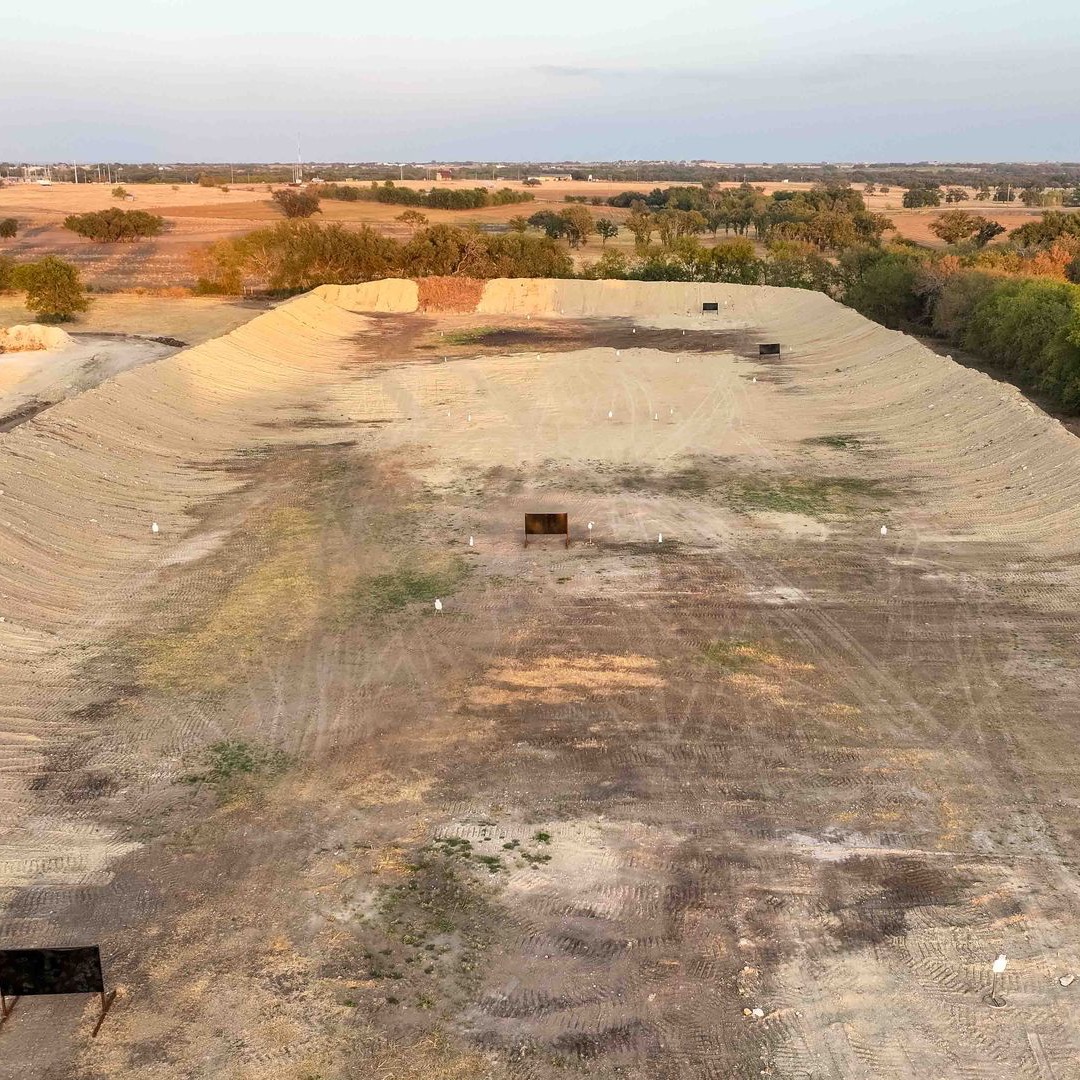
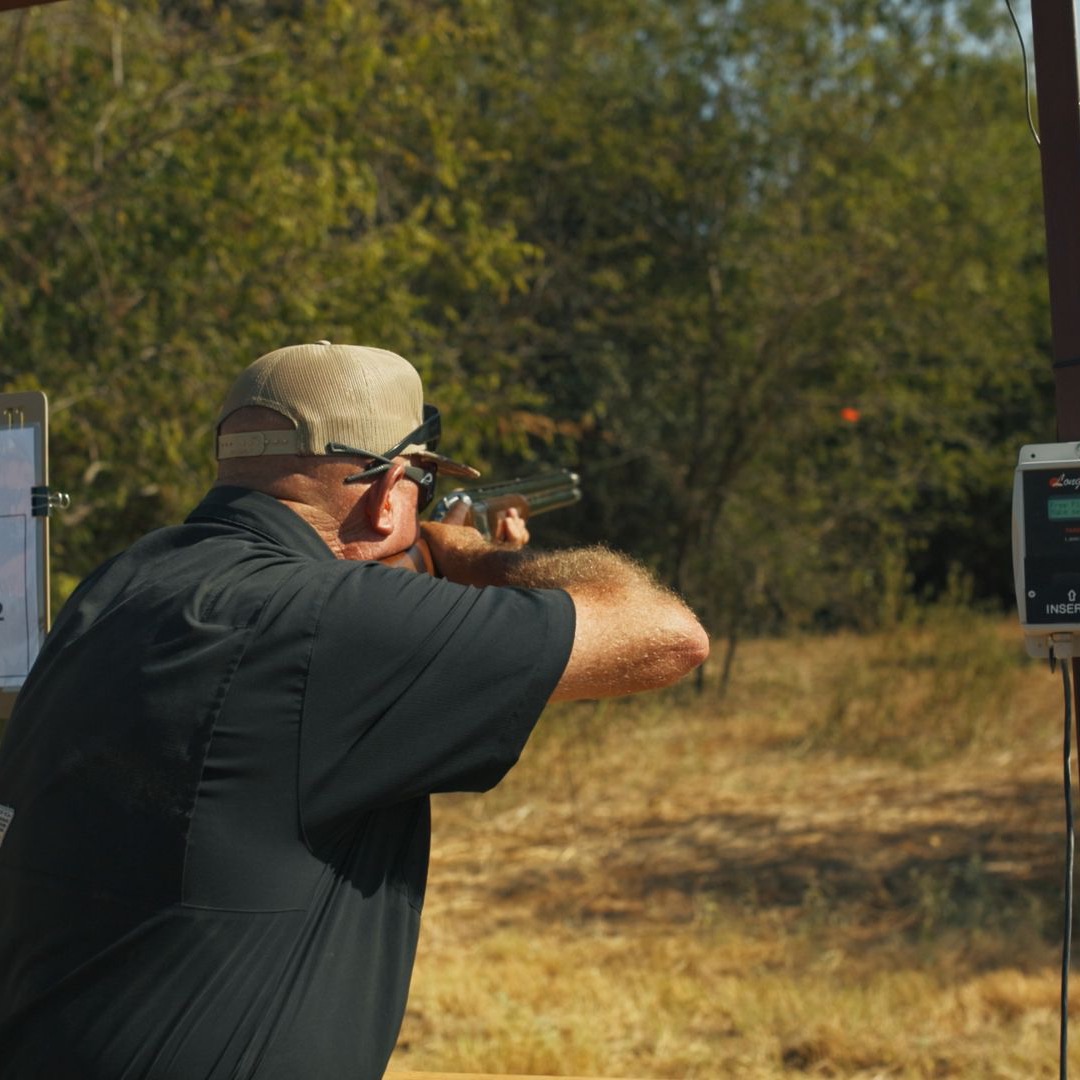
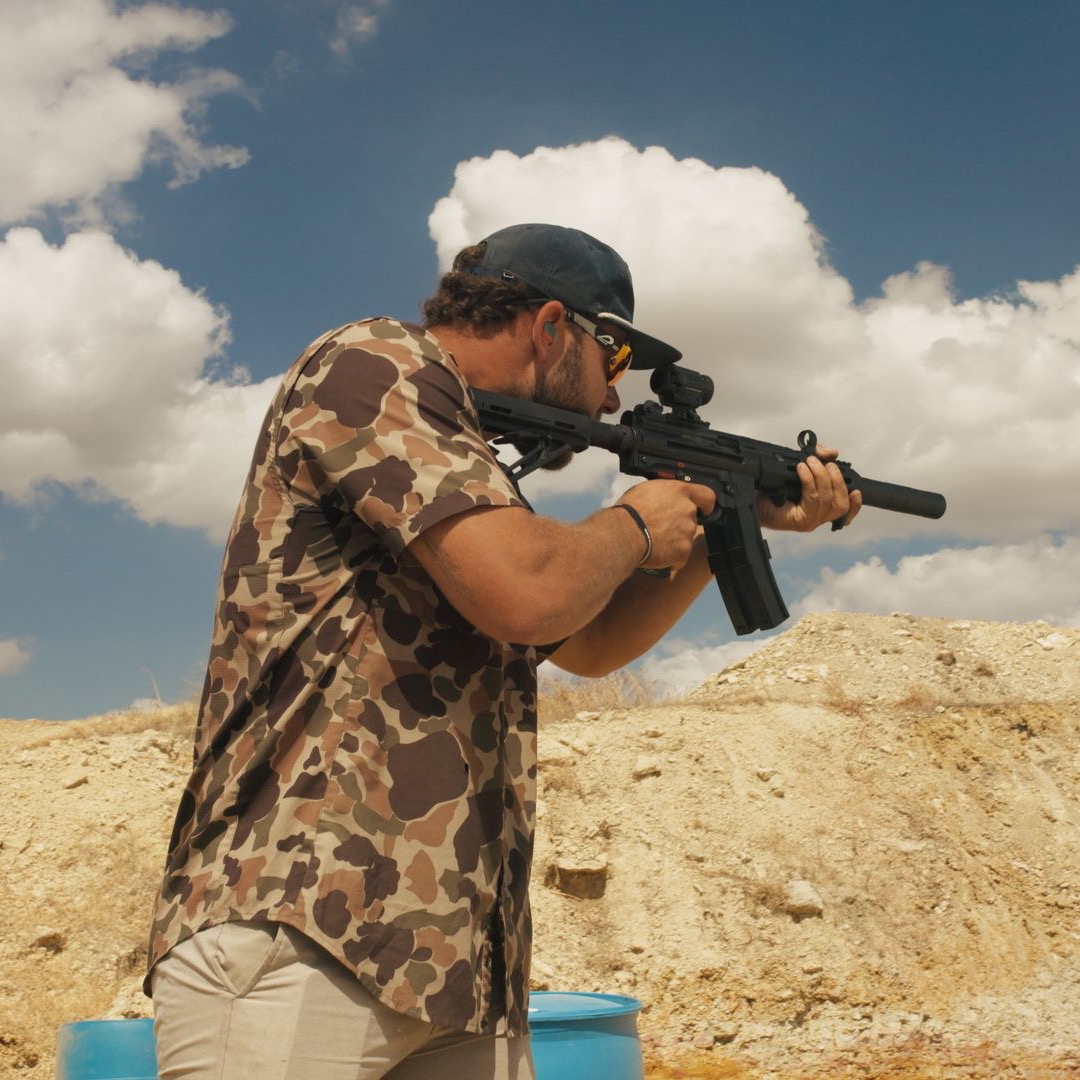
A family, a concealed carry student, a hunter pulling data before season, and a department qualifying can all be on that property the same day and be able to have the space to accomplish what they need too. That’s a harder build than a range serving one owner.
The Steel
The ranges run our AR550 Popper Systems, Rifle-Rated Dueling Trees, Grounder targets, Phoenix plate racks, Double Falling Trees, and dozens of our half-inch AR550 ADAP systems. Following our VIP Range formula to get his range off the ground running.
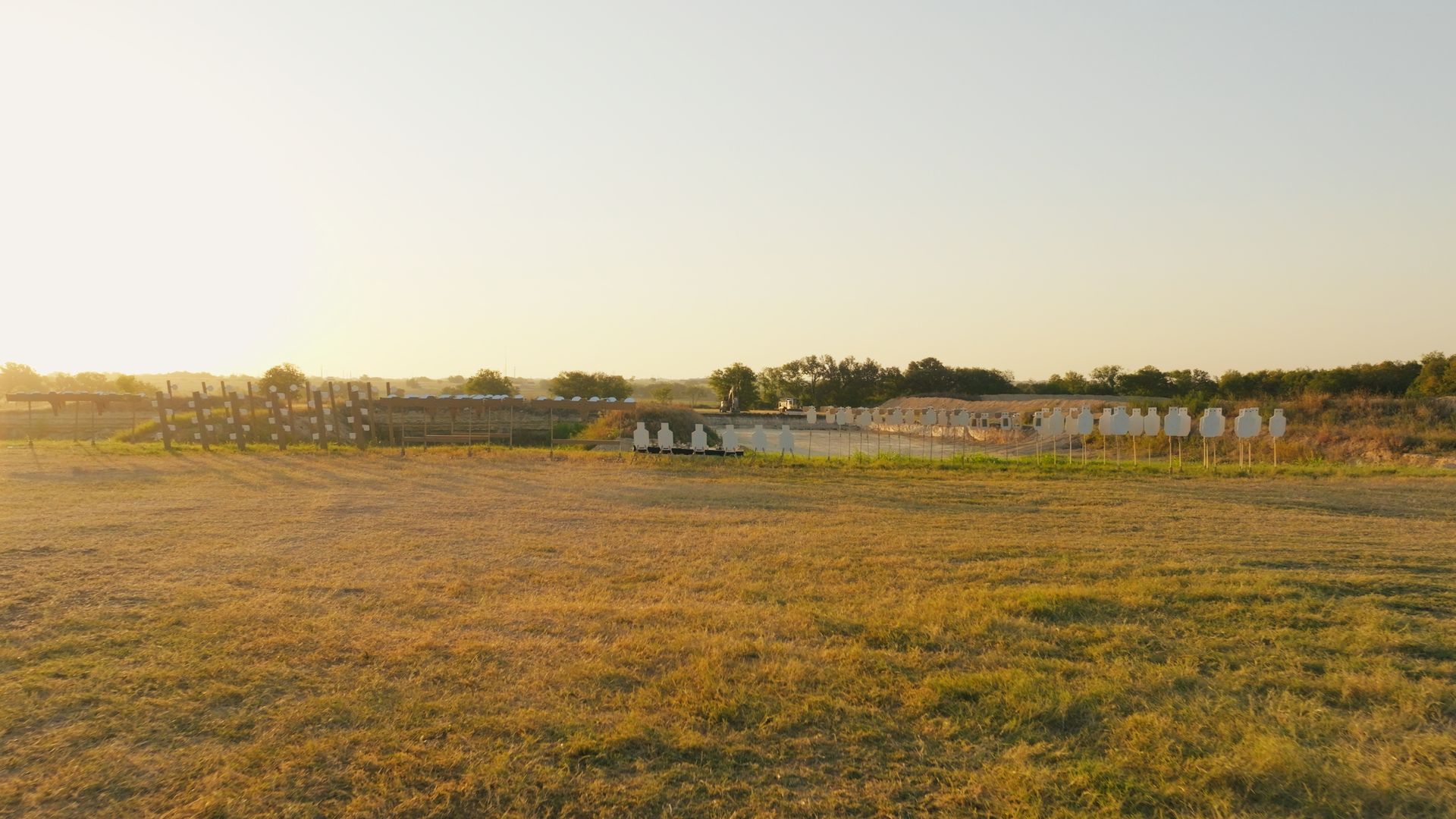
On a commercial range, target selection is a maintenance decision before it’s a performance one. A private owner can lose a Saturday fixing a stand and it doesn't affect anything besides time. A commercial range loses revenue and potentially loses a customer when the range is falling apart.
Half-inch AR550 A-DAP Plates carries a lifetime warranty. Armored posts mean nobody is replacing 2x4s every month.
Sealing the range
Before the doors opened, we sealed the range with Jacob.
Wax seals were historically used to mark a letter as authentic proof that what was inside hadn’t been tampered with. We learned the practice from our friends at Haley Strategic, who do it at the end of their classes.
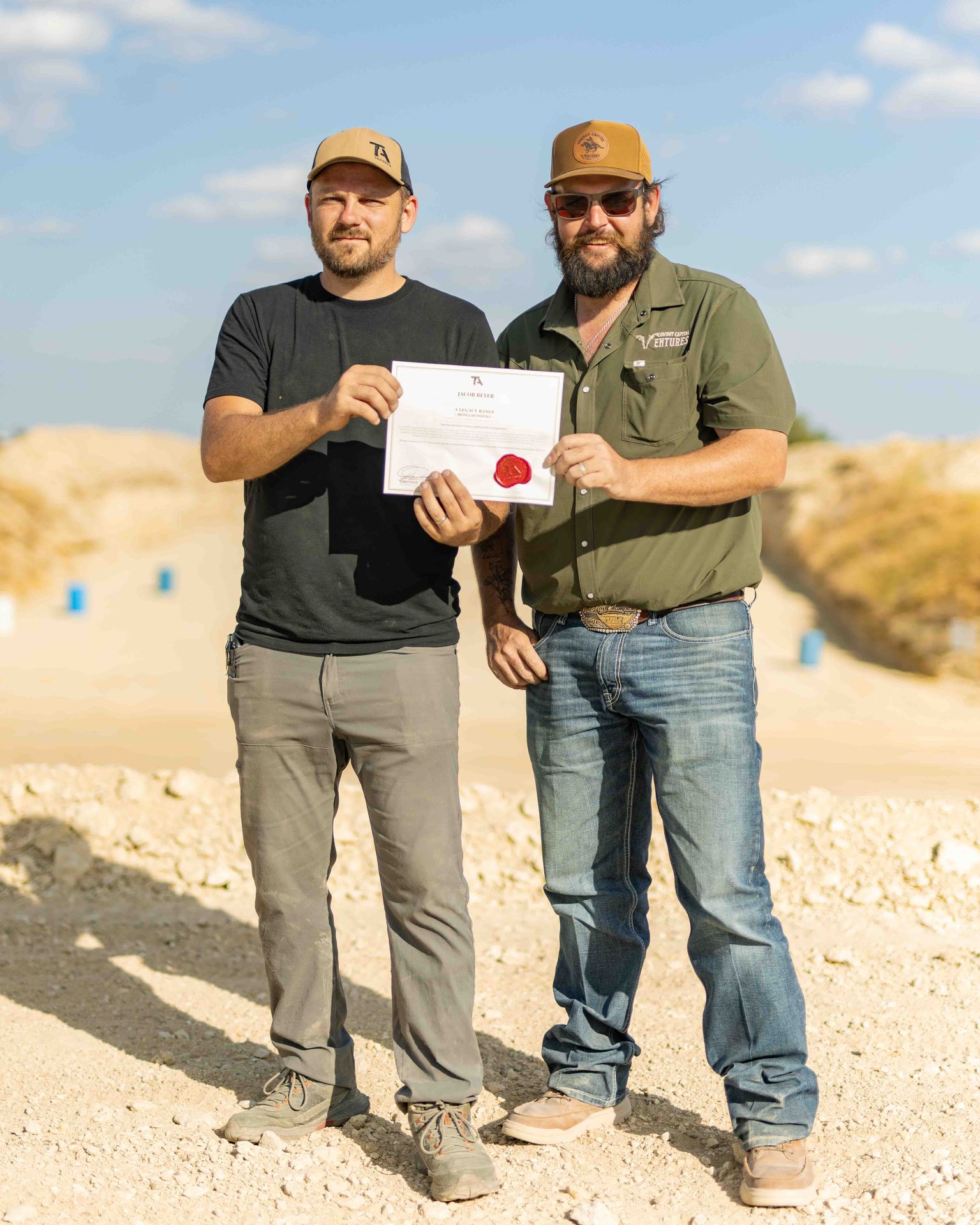
This isn’t just a ceremony. Everyone Jacob hires from here on is someone who wasn’t there for the push to make CCV live. The document on the wall is how he tells them what it took.
It also means something specific on our end. That seal marks Cowboy Capital Ventures as a TA certified range built to a standard we’re willing to put our name against, which is not a thing we hand out for buying steel.
When we seal a range, that owner comes into the TA fold. The install ends but the relationship doesn’t. Jacob has a line to our team for as long as he’s running that property, and CCV joins a network of range owners across the country who are all chasing the same thing.
GRAND OPENING - Saturday September 19, 2026
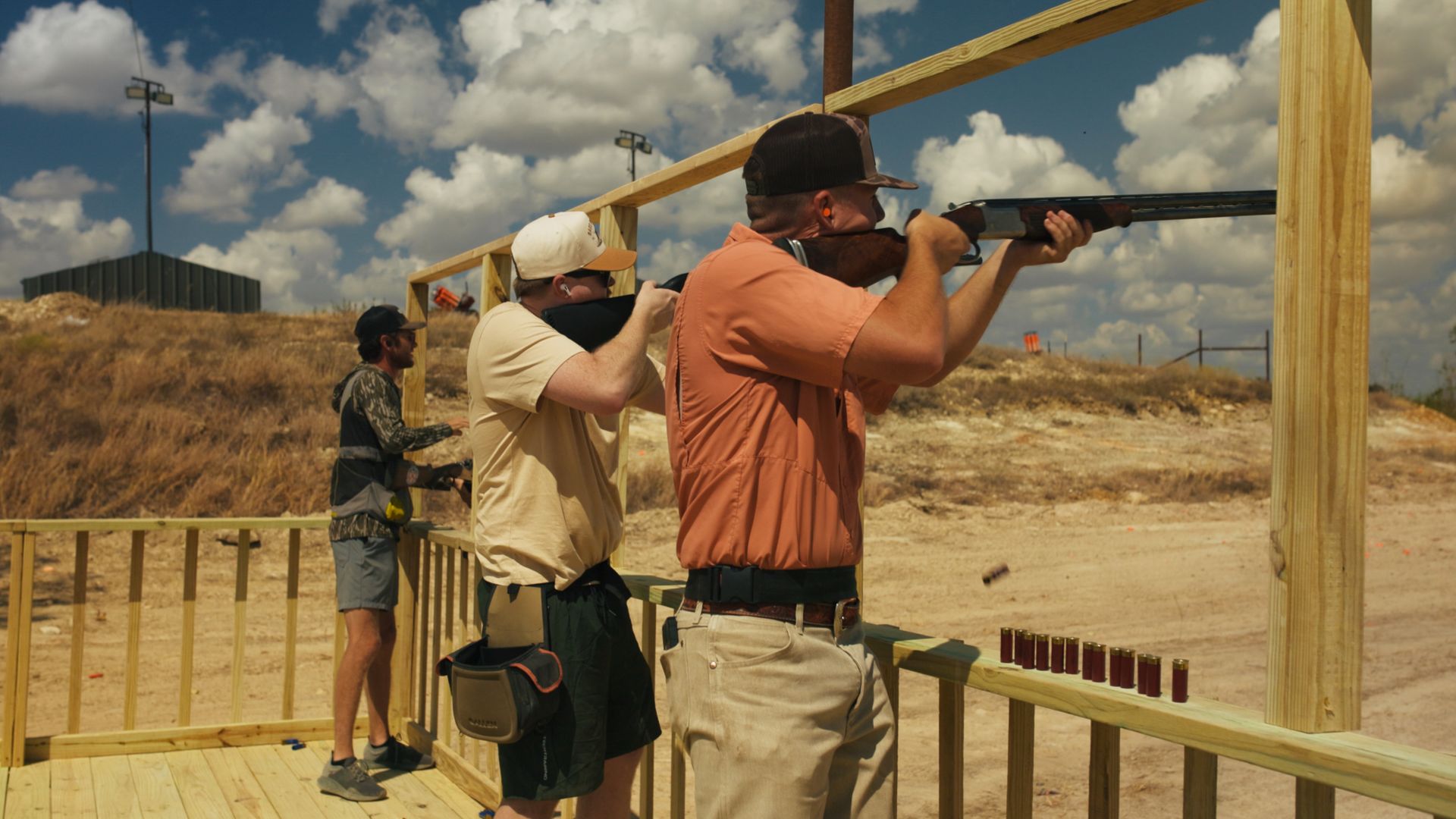
The day started on the clays. Shooters worked their way around the lake from positions set up to be a challenge. Golf carts ran nonstop hauling people from station to station across the property.
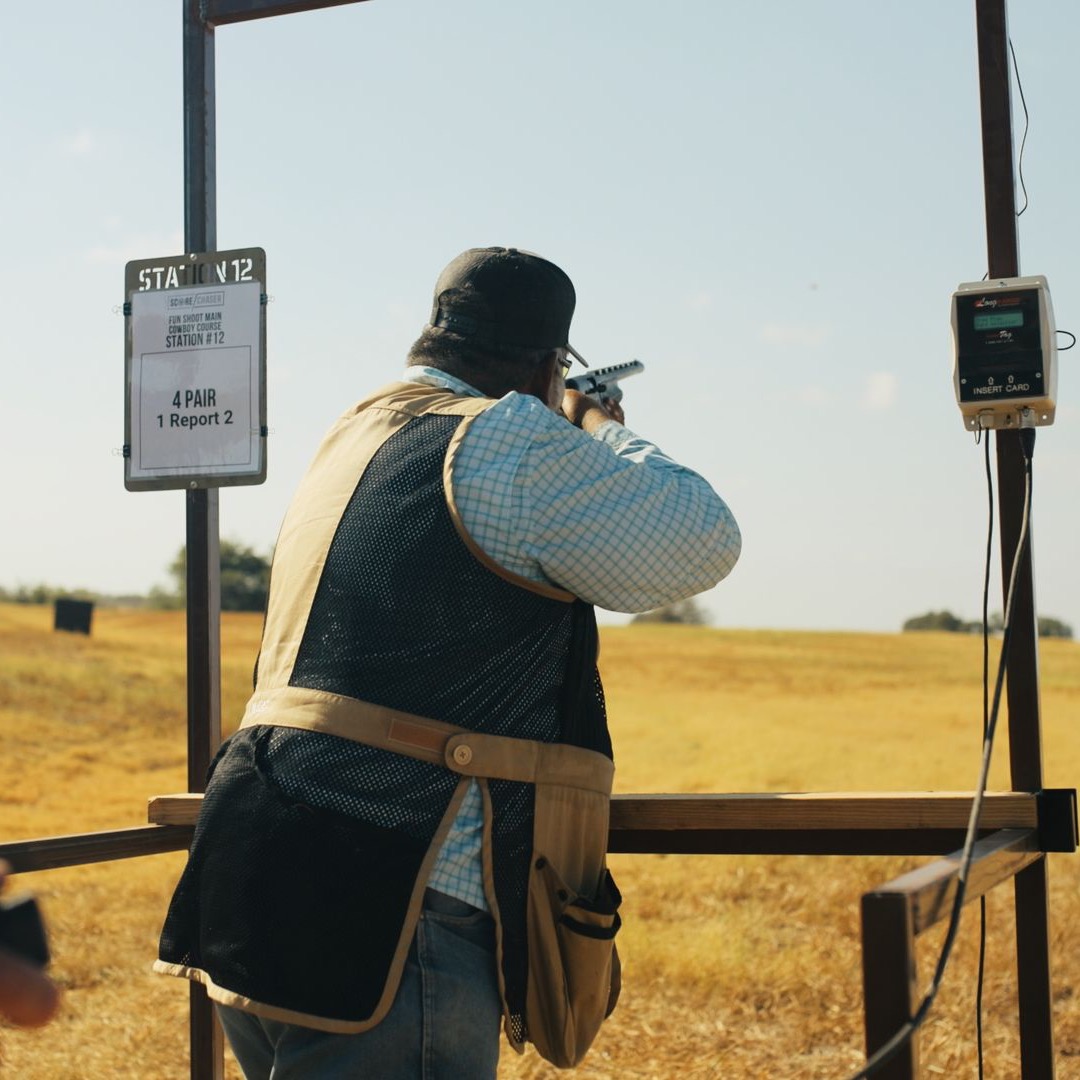
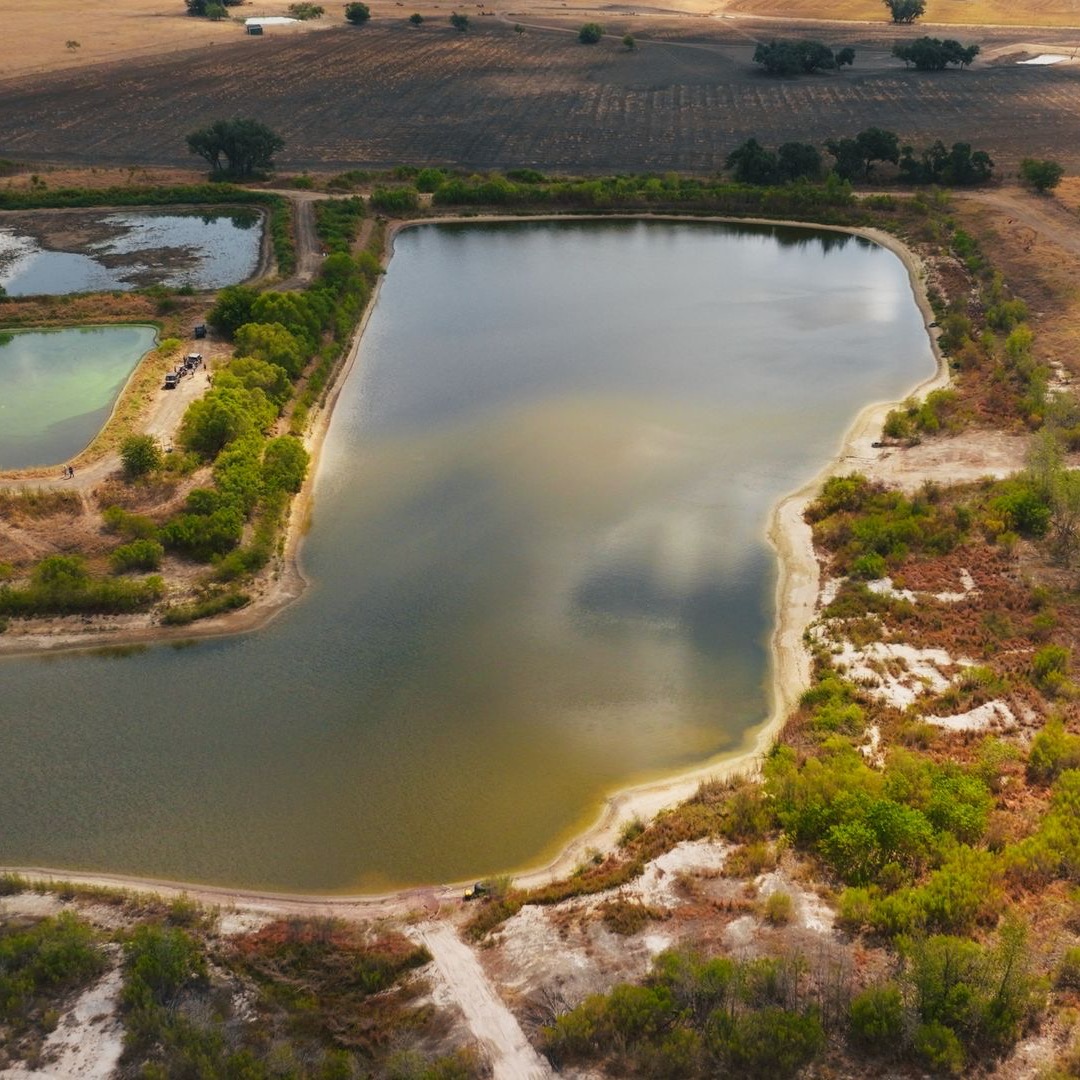
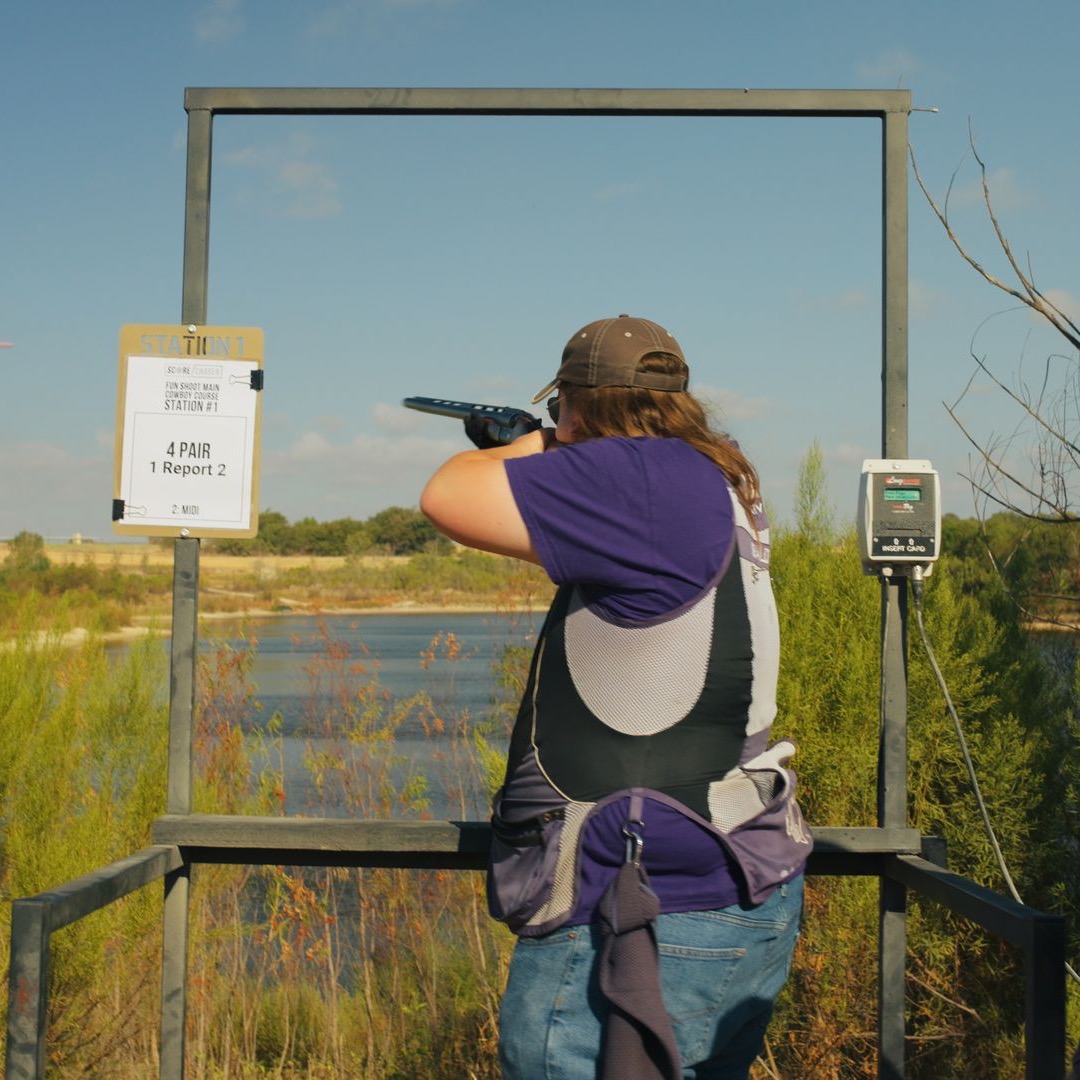
Tons of people came through over the course of the morning to check out CCV's facilities and shoot the sporting clays and 5-man scramble.
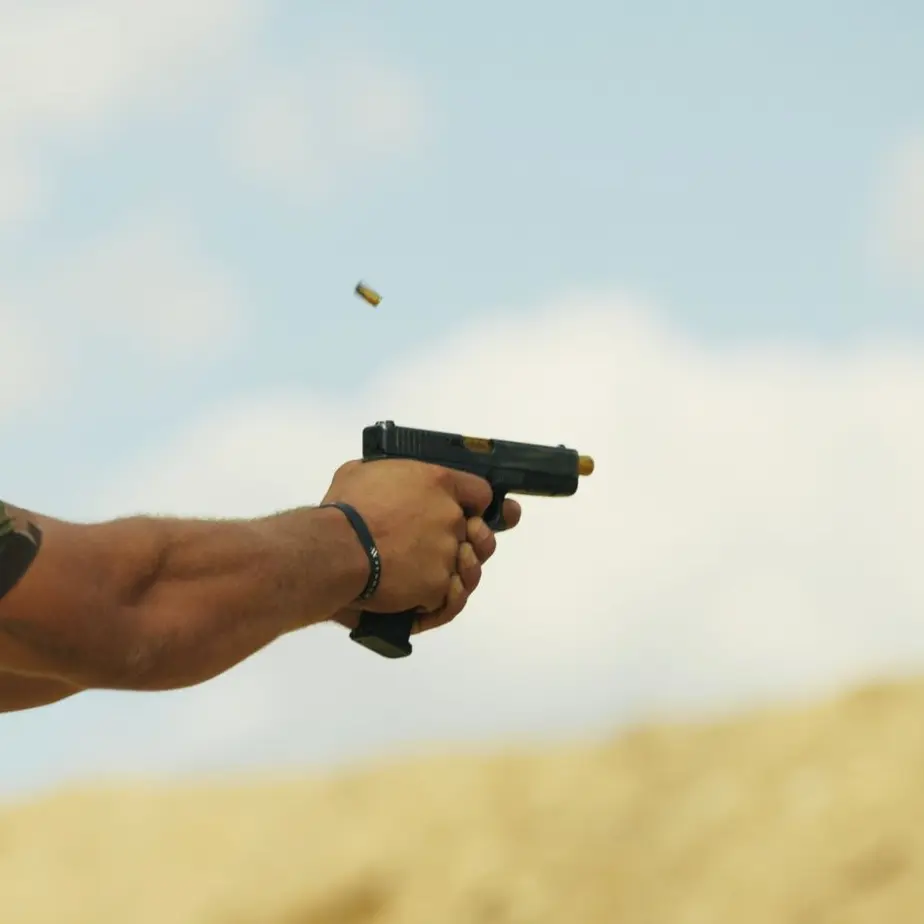
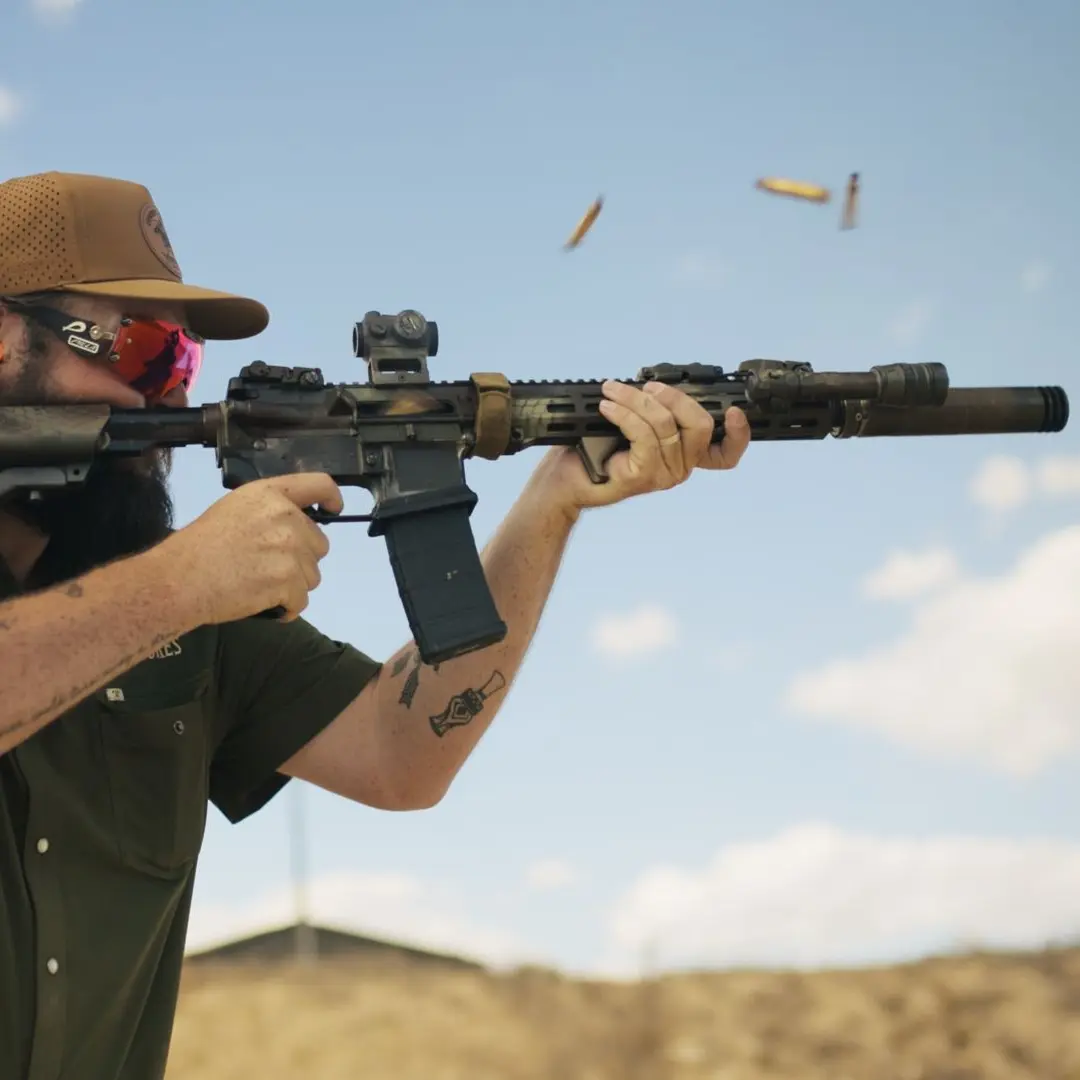
Out on the flat range and the long range, the steel we’d set earlier was getting its first real day of work. There’s a specific sound a range makes when multiple people are shooting steel at once that is EXTREMELY satisfying.
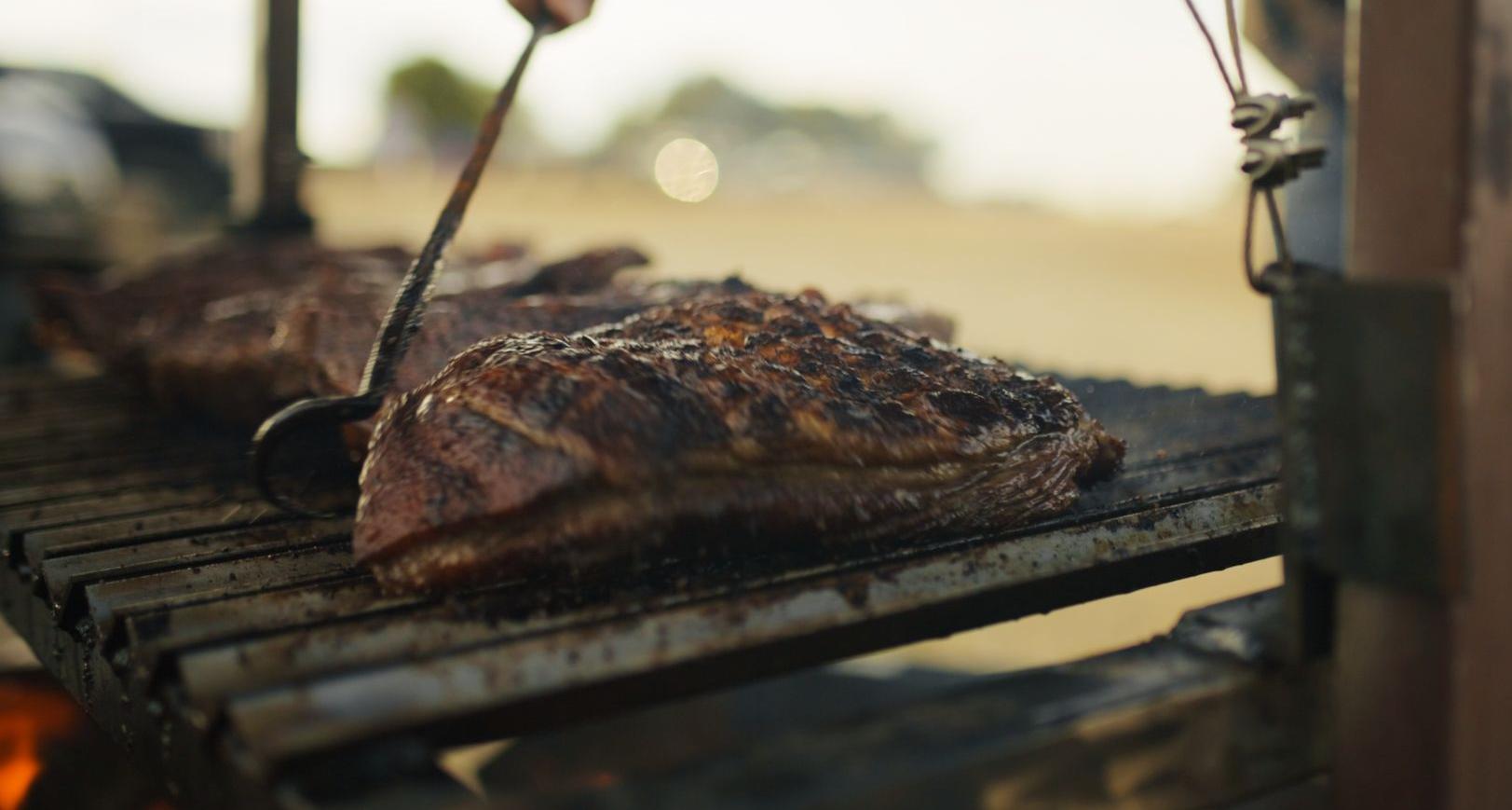
By afternoon there was food going over an open fire and life music to wrap up the evening. It stopped feeling like a business opening and started feeling like a town event. People eating, sitting, watching the music, not in any hurry to leave.
Ranges across this country are dying. Underfunded, falling apart, owners burned out and ready to hand back the keys. We’ve watched it happen. When the ranges go, the ability to train goes with them.
Somebody has to rebuild them.
If You’ve Got Land
If you own land and you’re trying to work out what you can put on it, reach out. We’ll give you a straight answer.
Cowboy Capital Ventures: A Public Shooting Range in Dublin, Texas