
Owning a Firearm Means Nothing Without Training
It’s easy to believe that owning a firearm means you’re prepared.
Social media, news stories, and everyday conversations often push the idea that if you simply have the tool, you’re ready for whatever may come. And to a certain degree, that mindset is understandable.
But eventually a question started sitting in the back of my mind: What happens when evil approaches you?
That question is what pushed me to start taking firearms training seriously. Because the truth is, if your experience with a firearm is limited to occasional range trips, those skills are likely the first thing to disappear under stress.
It forced me to ask a hard question: Do I actually have the fundamentals and mindset required to be prepared if the moment ever comes? That realization completely changed the way I think about training, responsibility, and firearm ownership.
My Background With TA Targets and firearms
My name is Brenton, and I work on the marketing and media side of TA Targets. For the past five years I’ve spent most of my time filming and telling the stories behind the company, the products, and the people in this community. Along the way, that exposure pushed me to start taking my own firearms training more seriously.
My real introduction to the firearms world started when I began working at TA Targets. Over time I became immersed in the culture around shooting, training, and personal responsibility. I started to appreciate what this community is about. Plus I also realized that filming guns is actually a lot of fun.
Around the same time, another interest of mine started to grow: overland travel and solo camping. I began modifying a vehicle and exploring remote areas across Pennsylvania and eventually traveling through states like Virginia, Maine, Tennessee, and Colorado. Those trips were incredibly refreshing, but they also brought an important realization...

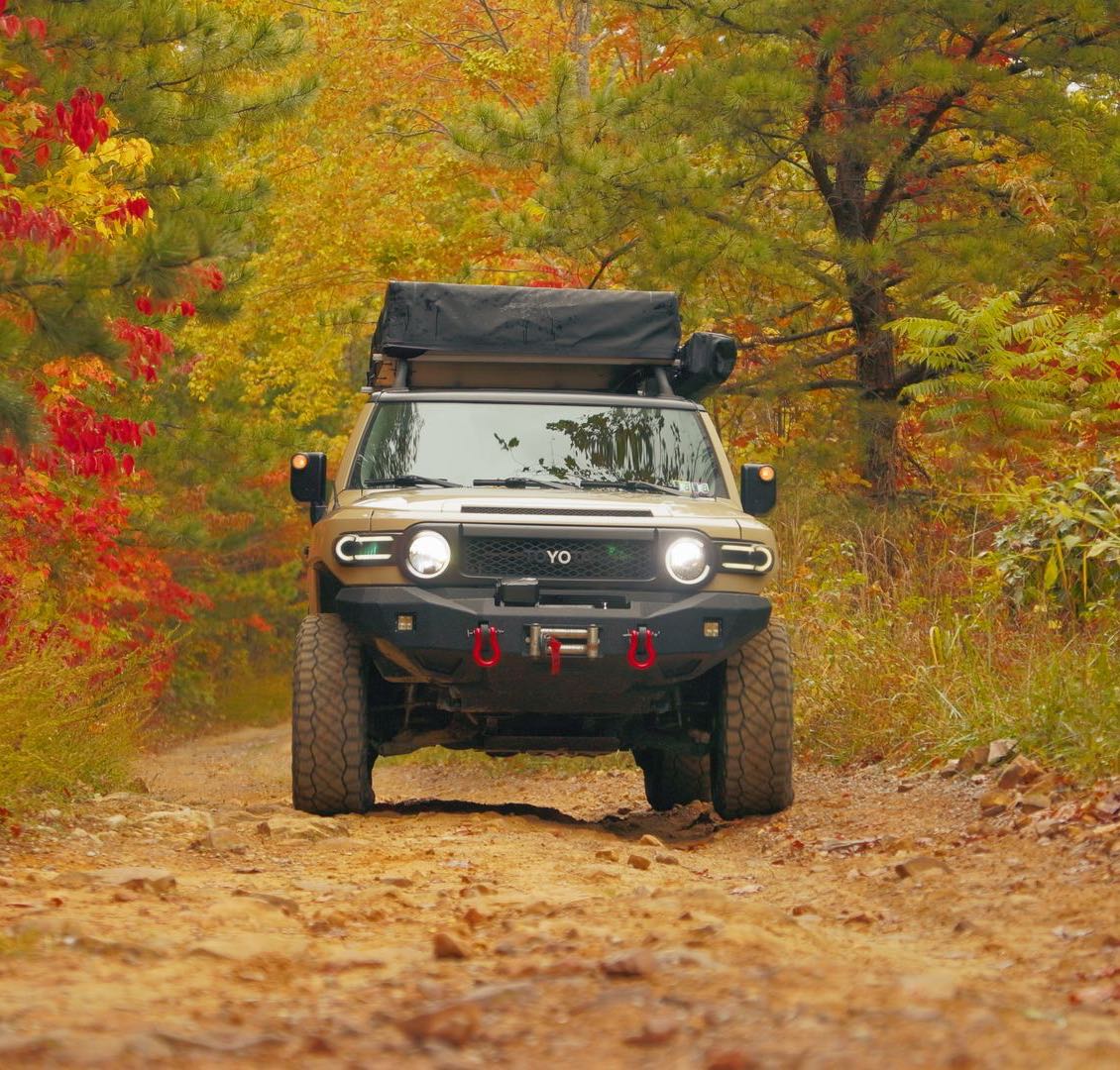

When you’re alone in remote places, you quickly understand how vulnerable you really are.
Why I Decided to Take Firearms Training Seriously
Those solo trips played a major role in why I started carrying a firearm. When you’re camping alone in remote areas, you start to realize that the most dangerous creature you might encounter usually walks on two legs.
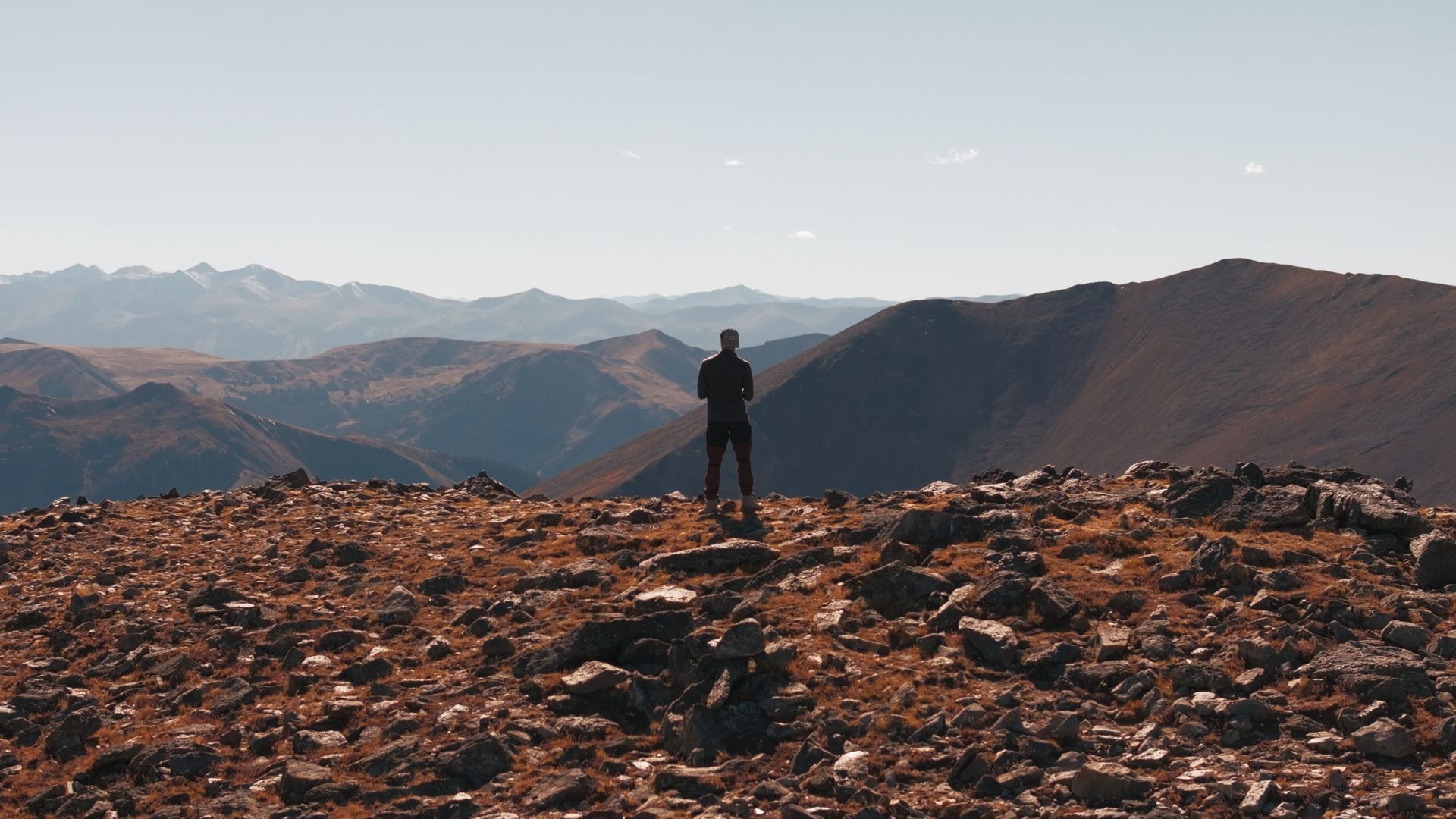
But even though I had a firearm with me, I had to confront an uncomfortable truth... I barely knew how to use it well. My fundamentals weren’t solid, my grip wasn’t consistent, and I wasn’t confident I could rely on the firearm if something serious happened.
Carrying a firearm without the skills to use it responsibly didn’t sit well with me, especially when I was miles away from help.
Another major factor was getting married about a year ago. With that comes a new level of responsibility. As a husband, I started thinking more seriously about my role as a protector and realized my occasional range trips simply weren’t enough.
For years my “training” was slim to none. I would going to the range a few times a year to casually shoot targets. I rarely drew from a holster and definitely was not pursuing fundamentals. If a serious situation ever happened, I would likely fall back on the level of training I had actually built... which was essentially zero.
My First Defensive Handgun Training Classes
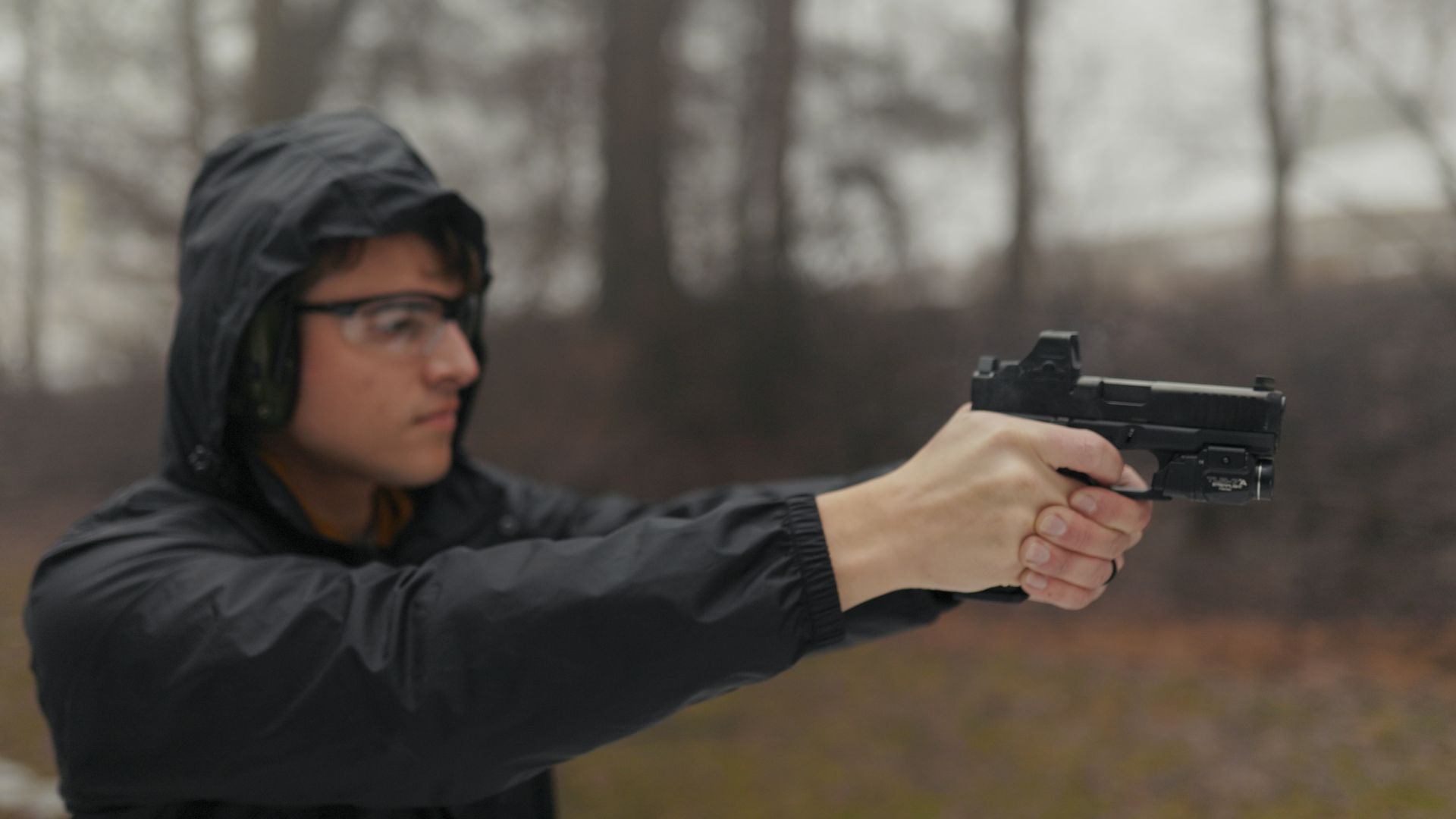
After deciding to pursue training seriously, I attended two handgun courses from Haley Strategic.
The first was a D5 handgun course, focused on fundamentals, movement, and mindset. The second was a D3 low-light handgun course, which included shooting around vehicles and learning to operate effectively at night with white light.
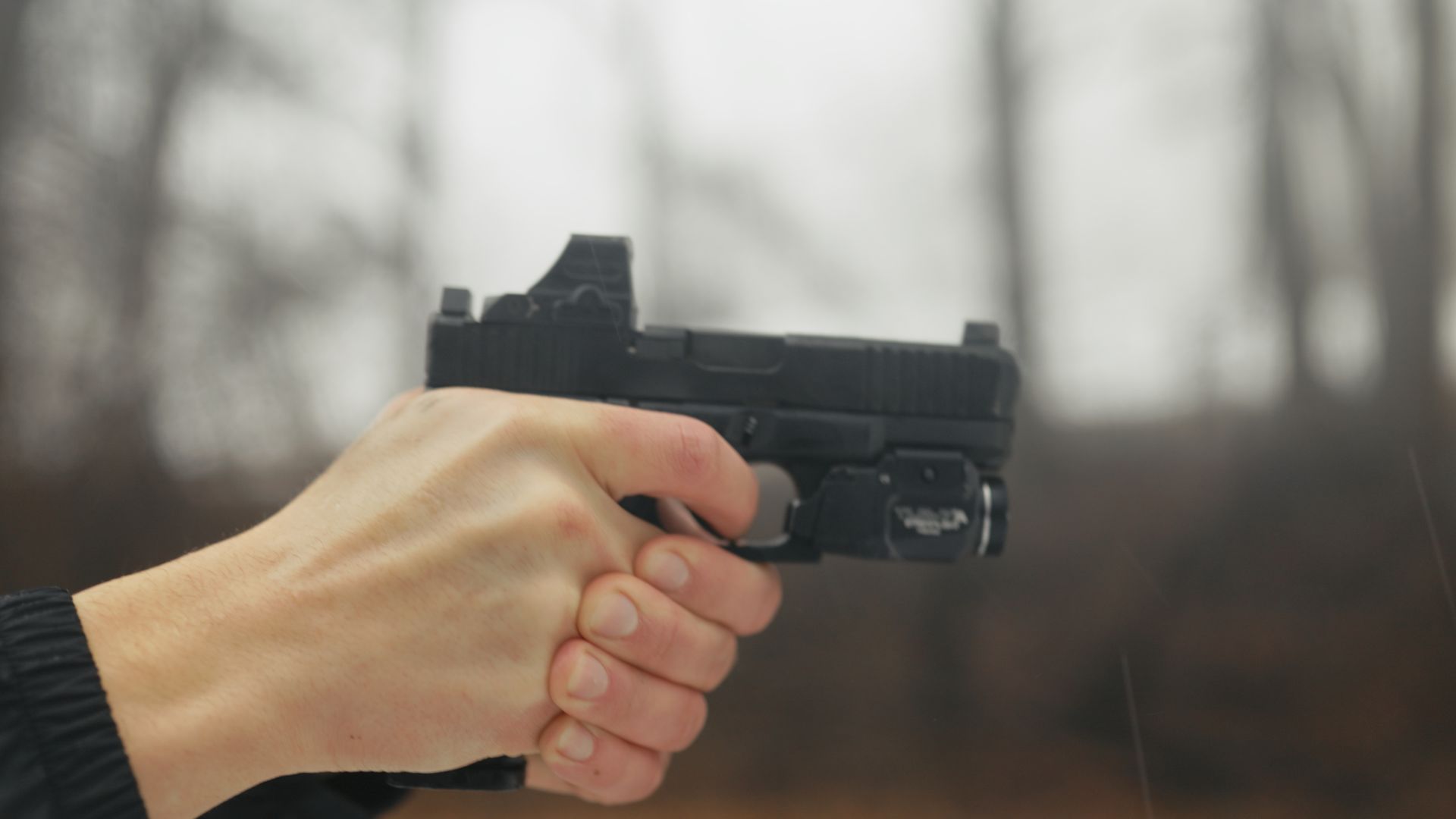
I ran the pistol that everyone should own. For both courses I was using a Gen5 Glock 19 with a Holosun 508T red dot and Streamlight TLR-7A weapon light.
I walked away from those classes with a huge amount of information, but more importantly, I gained something I didn’t have before... a clear baseline of fundamentals and the ability to diagnose my own mistakes.
Five Lessons I Learned From My First Handgun Training Class
Over the (2) 3-day classes, I walked away with a ton of solid information. There was a LOT to digest, but I wanted to go over the top 5 things I learned and adjusted.
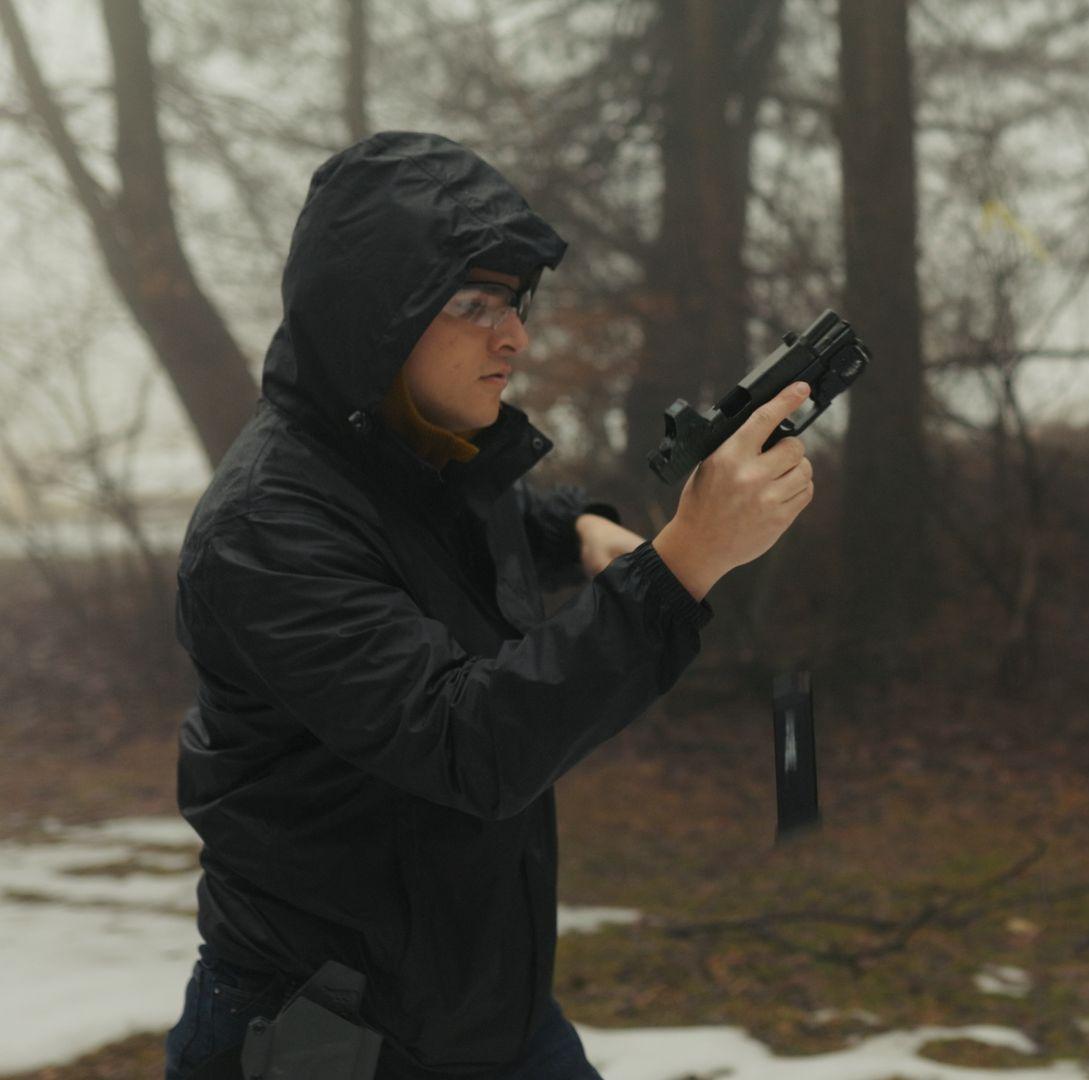
1. Incorrect stance
I quickly realized I had a habit of not leaning forward while shooting. That might not seem like a big deal, but during multiple strings of fire it caused my shots to rise as recoil pushed me off balance.
Fixing my stance immediately improved my control and consistency within the first day.
2. lack of full arm extension
Another mistake showed up when coaches watched my presentation.
I wasn’t fully extending my arms when presenting the handgun, which meant I was losing rigidity and recoil control. I'd find myself getting too loose and starting to pull rounds off target. That small adjustment made a noticeable difference in stability immediately.
3. My Draw Needed Serious Work
Going into the class, I knew my draw wasn’t great. One drill that helped tremendously was the “DeLorean draw” drill.
The concept is simple: start slow. Take five seconds to complete the draw and fire a shot, then gradually reduce the time until the movement becomes efficient and consistent with each draw.
Within 2 and a half days, I was able to get my draw under one second. That's something I honestly didn’t expect when the class started.
4. Moving with a firearm isn't "scary"
Movement with a firearm was something I had almost no experience with. Therefore, I wasn't sure how rigid and uncomfortable with moving with a firearm that I would be. Though with good instruction and repetition I became far more comfortable moving confidently with a firearm.
In the low-light class we spent a lot of time moving around vehicles while maintaining proper safety and muzzle discipline.
5. Shooting With White Light Is More Complex Than I Thought
The low-light class also introduced me to using white light effectively. Before the class I assumed it would be simple: hold the light, shoot the gun. In reality, that is a small piece to the puzzle and light management at night is much more complex.
Understanding how light interacts with your surroundings and affects your vision was one of the most fascinating parts of the course.
Continuing My Training Journey
One thing became clear after these classes... If I don’t keep training, those skills will fade. Since returning home, I’ve been trying to get to the range regularly, even if it’s just once a week after work.
Instead of just shooting casually, I’m focusing on deliberate practice:
- working on fundamentals
-
collecting data from range sessions
- slowing down and being intentional with every round
Ammo is expensive, and every round should have a purpose in building your fundamentals and skills.
How Do You Train?
This blog is really just a reflection on my own training journey and the lessons I’ve learned so far. But one of the best parts of the shooting community is learning from each other. So I’m curious, what does your training routine look like?
Whether it’s dry fire practice, weekly range sessions, or professional training classes, those experiences help all of us become more capable shooters.
And if you’re looking for tools to support your training, take a look at the training equipment available from TA Targets. We have anything from steel target systems to cardboard and self-healing targets designed for consistent practice.
Most Gun Owners NEVER do this... I Finally Did