
A Precision Capable Lever Action Rifle Has a Place in My Heart
I have always loved lever action rifles. If you've frequented our site, blogs, or our social media channels, you'll find many videos of me running lever action rifles. Where most take them as novelty and nostalgic "range toys", I see them as an alternative. A Classic weapon full of history and stories to tell. A strong reminder of the rugged individuals who shaped this nation and forged a new path forward. It's for that reason that I don't don the cowboy hats, chaps, and cigars when I'm on camera with a lever action. Ok, occasionally you might see a cigar, but that's only because I enjoy a nice cigar every now and then. Quit judging me.
But further than my own interest in the platform, there was always a question in the back of my mind: "Why hasn't anyone built a lever action rifle capable of precision? In pure function and form, lever action rifles possess characteristics that make them strong contenders in certain applications. Speed of deployment, quick cycling of the action, and reliability come to mind immediately. But lever guns of old lacked the traits that make a rifle capable in a precision role.
That is, until now.
Disclosures:
Henry and TA Targets have teamed up to tell the story of this rifle. The rifle was provided by Henry, and there is a mutual contract in place to help fund the trips, the ammo, and our team's time to tell the story. But there are no contracts in place dictating what we say, and we will always remain truthful in our experiences with any platform. TA is not for sale, and our opinions cannot be purchased. We partnered with Henry because of the track record we have had with their products, and the SPD Predator proved worthy of discussing and analyzing. If you have any questions about our partnerships, please email us at [email protected].
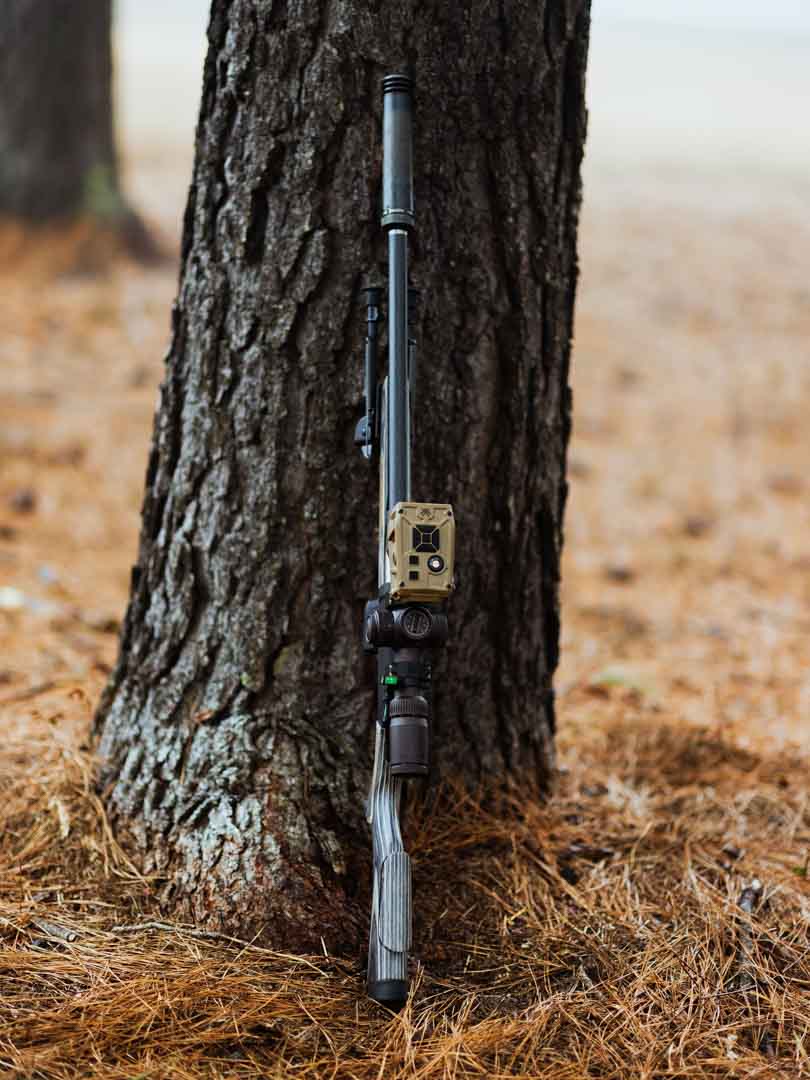
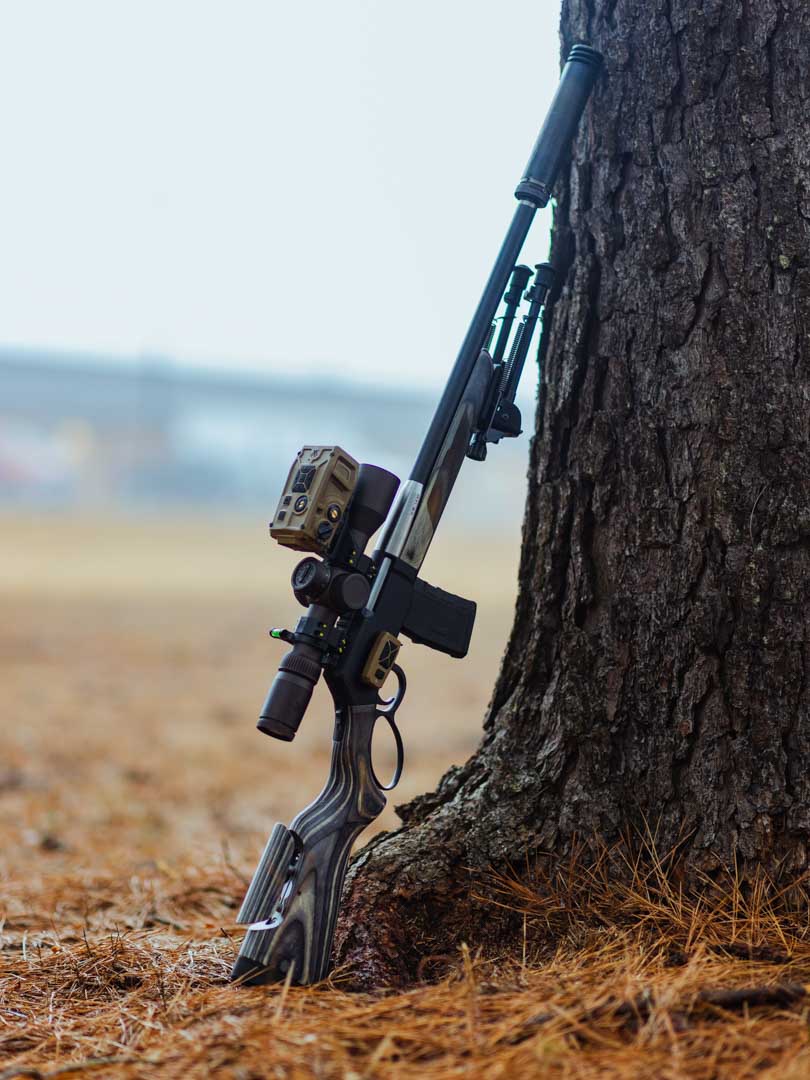
The original Recipe of a Lever Action Rifle
Lever action rifles were built for utilitarian purposes. At the time of their introduction, they were the AR15 of the past. They shot fast, held a ton of rounds, and offered longer range performance than flintlock and percussion cap rifles. But as rifle technology changed and semi-auto and select-fire weapons were invented, the Lever Gun fell back into history and became a metaphor of days past and nostalgia, not modern era capability.
Original lever action rifles were built with the following recipe:
- Magazine Tube Fed
- No free-float barrels
- Pistol cartridges and straight wall rifle cartridges
- Heavy, short, large-diameter bullets that do not have great BC's
- Bullets with flat points as they were loaded into magazine tubes
These traits can make for great backwoods and brush guns for hunting or ranch defense, but they limit the capability of the platform at distance.
The Henry Special Products Division Predator Introduces a new formula
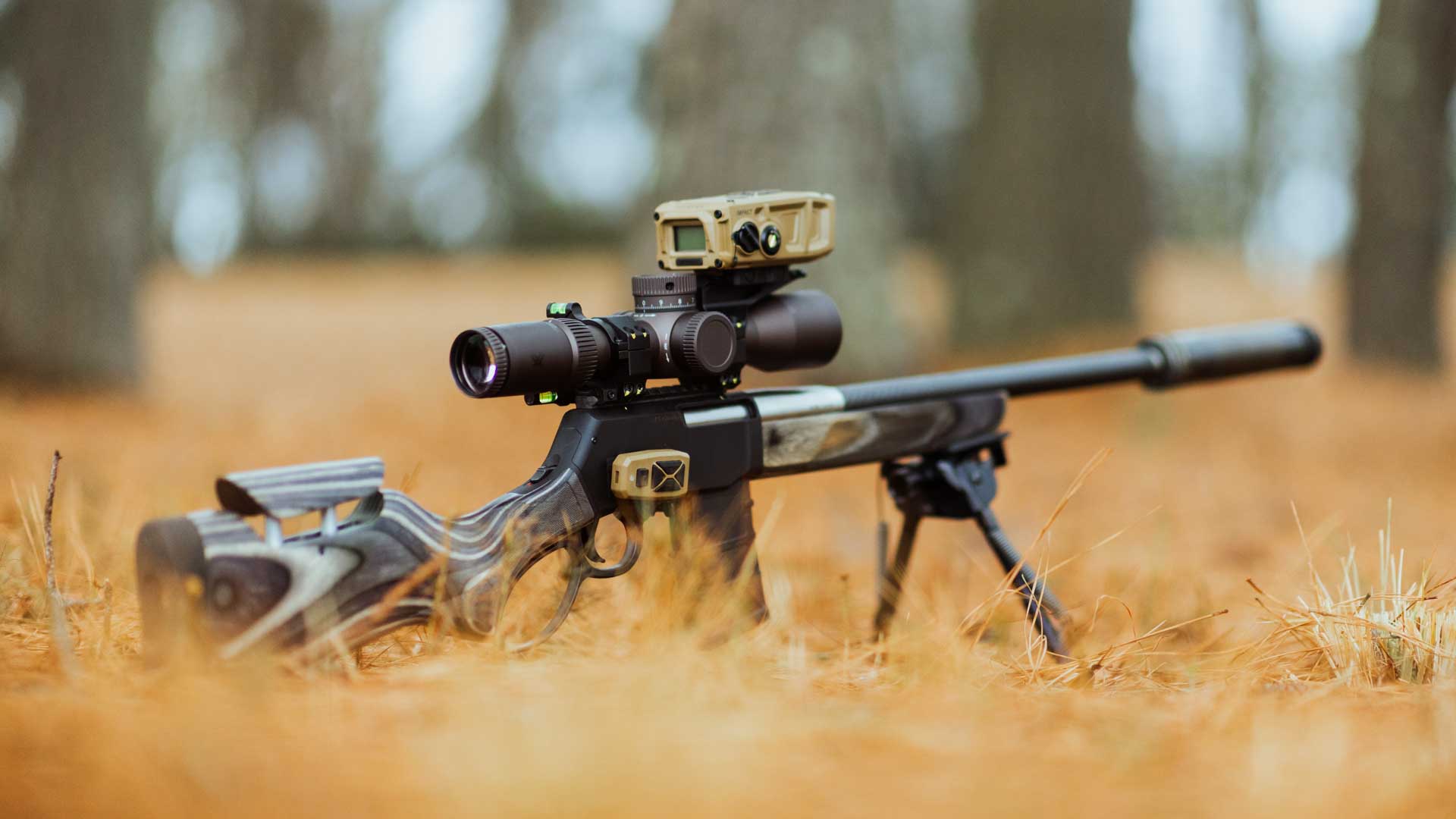
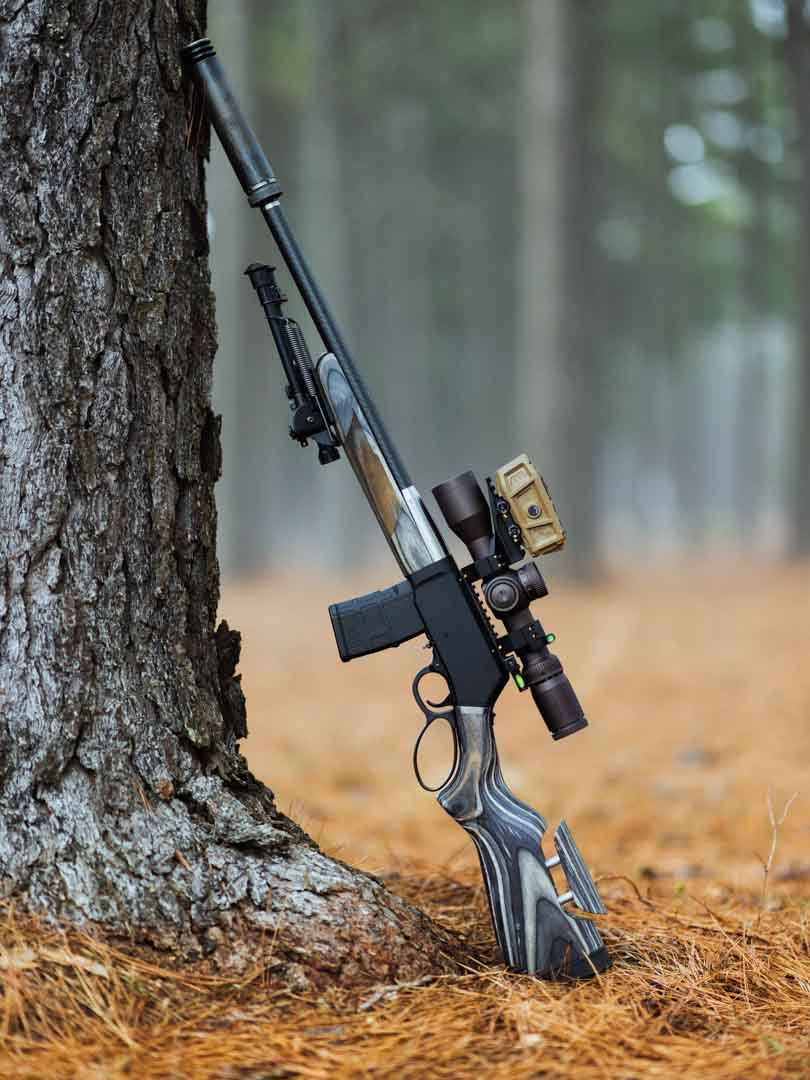
If we look at the old recipe, it's very easy to see the changes that Henry implemented in order to make a true precision capable rifle:
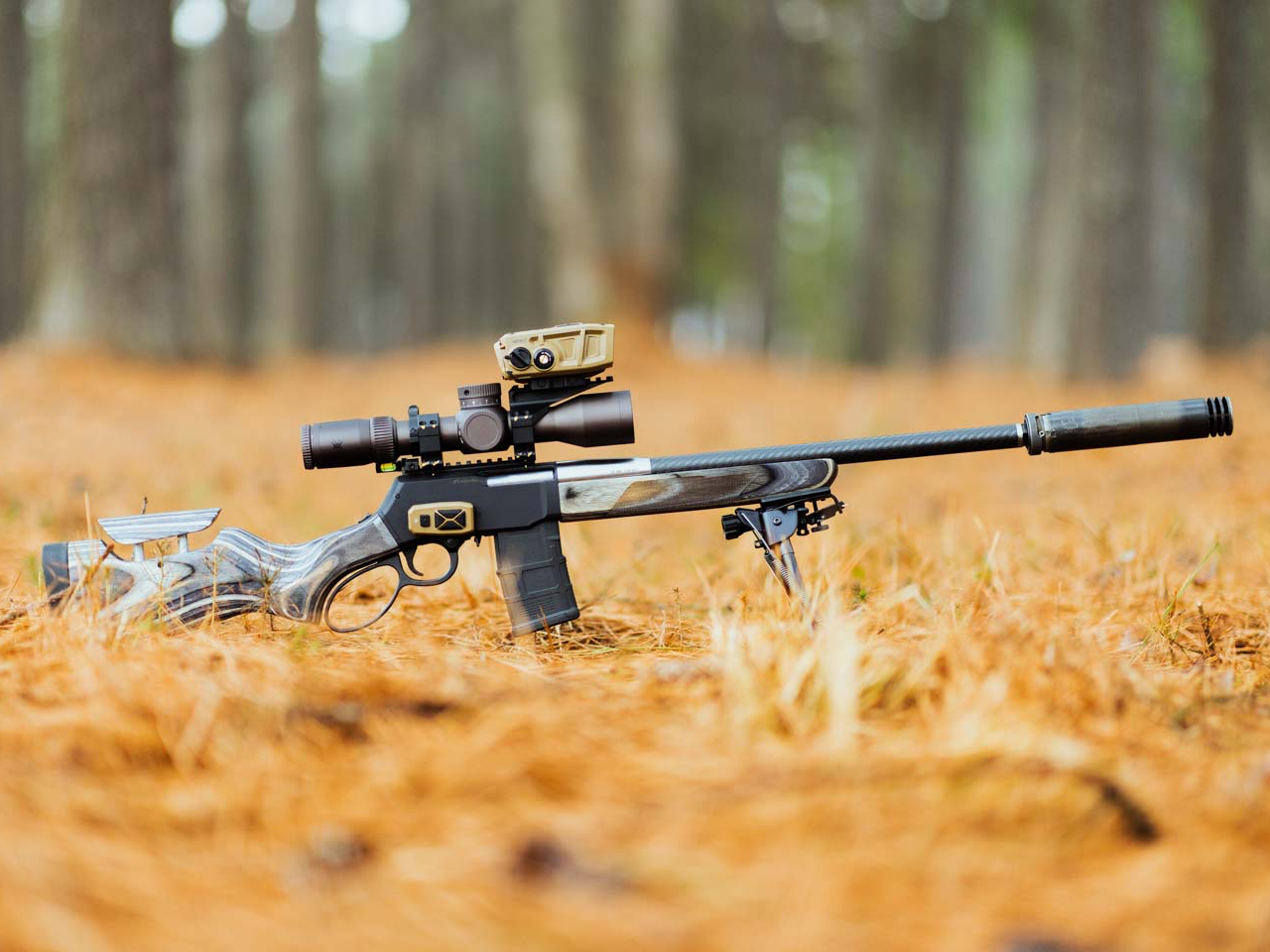
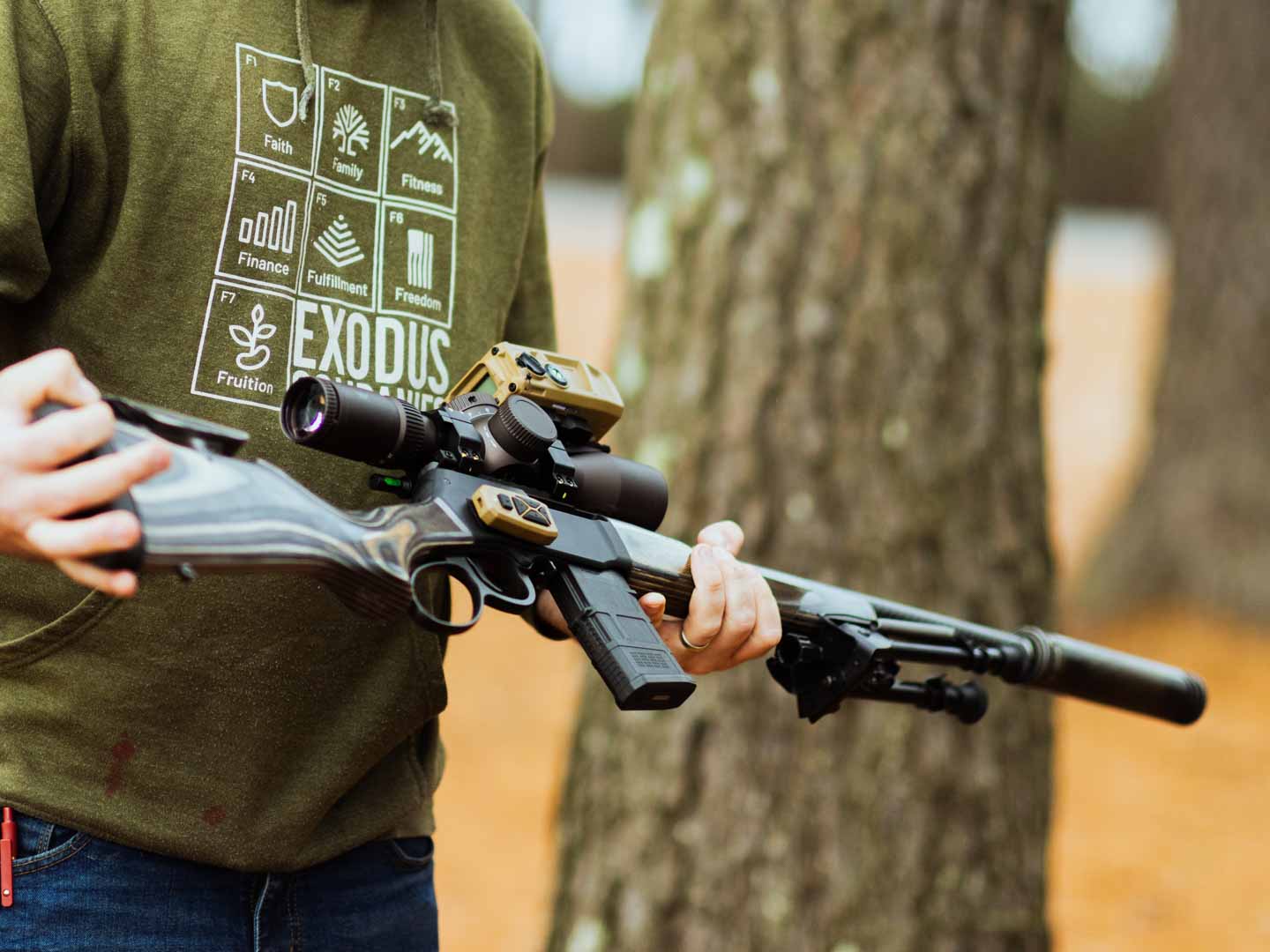
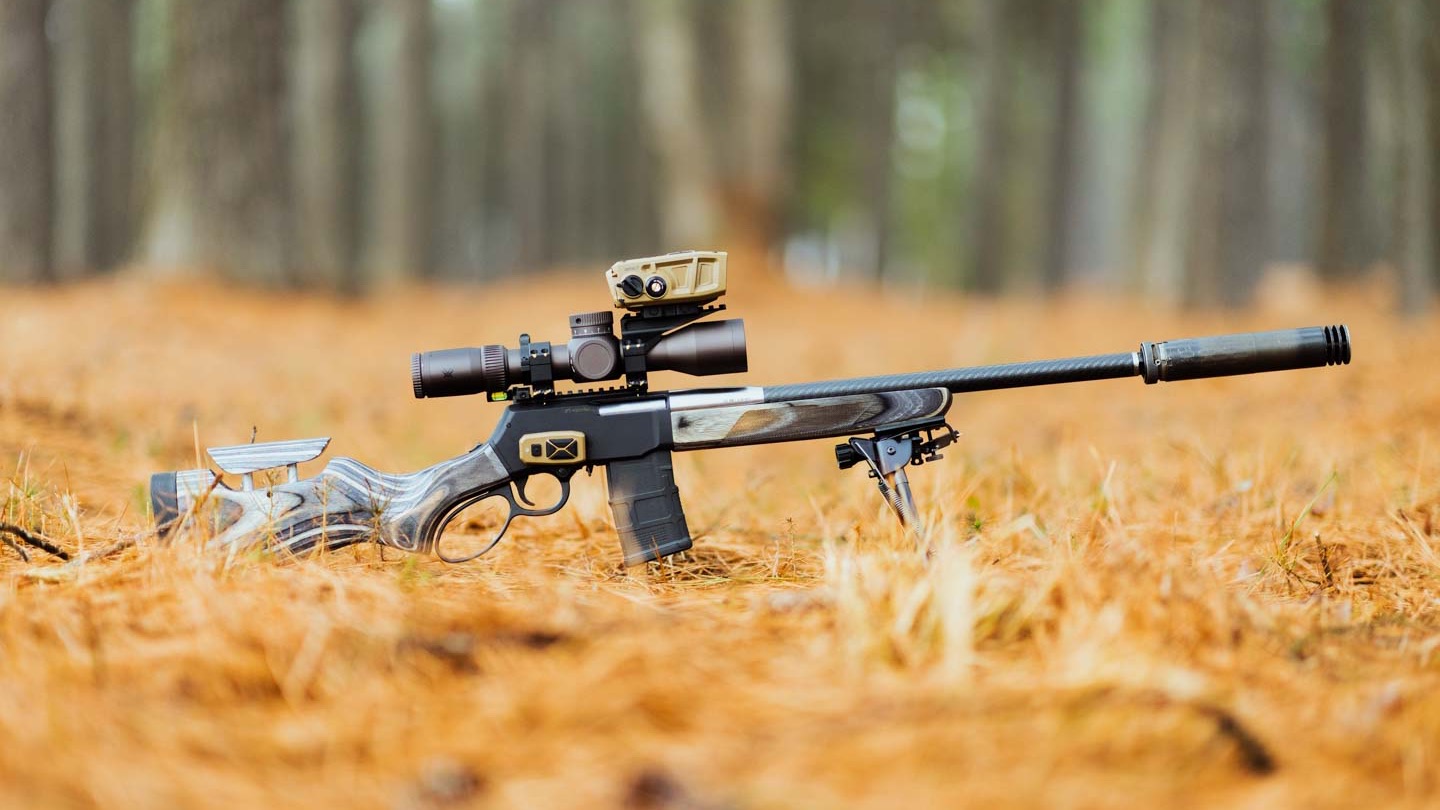
- Detachable AR15 magazine
- The ability to run precision match ammunition
- AR15 bolt for precision and consistent chamber lockup
- Free floating barrel to ensure no other inputs are placed on the barrel during firing
- Carbon fiber BSF barrel
- Adjustable Cheek Riser for better alignment of optics
- More modern receiver to accept standard scopes, optics, and other accessories
It's not a radical shift in terms of what was accomplished, but it is a radical shift from Lever Action Rifles of the past. And it begs a serious question: Why hasn't someone done this until now? Frankly, this is the style of lever action rifle I have been waiting for. A Lever action rifle, by definition, has the capability of accuracy. And the manual cycling of the action is inherently reliable. That is a proven fact as they have been used in combat often prior to WWII and WWI. All that was needed was someone to come to the table willing to forsake a little bit of nostalgia for practicality and performance. And Henry Delivered.


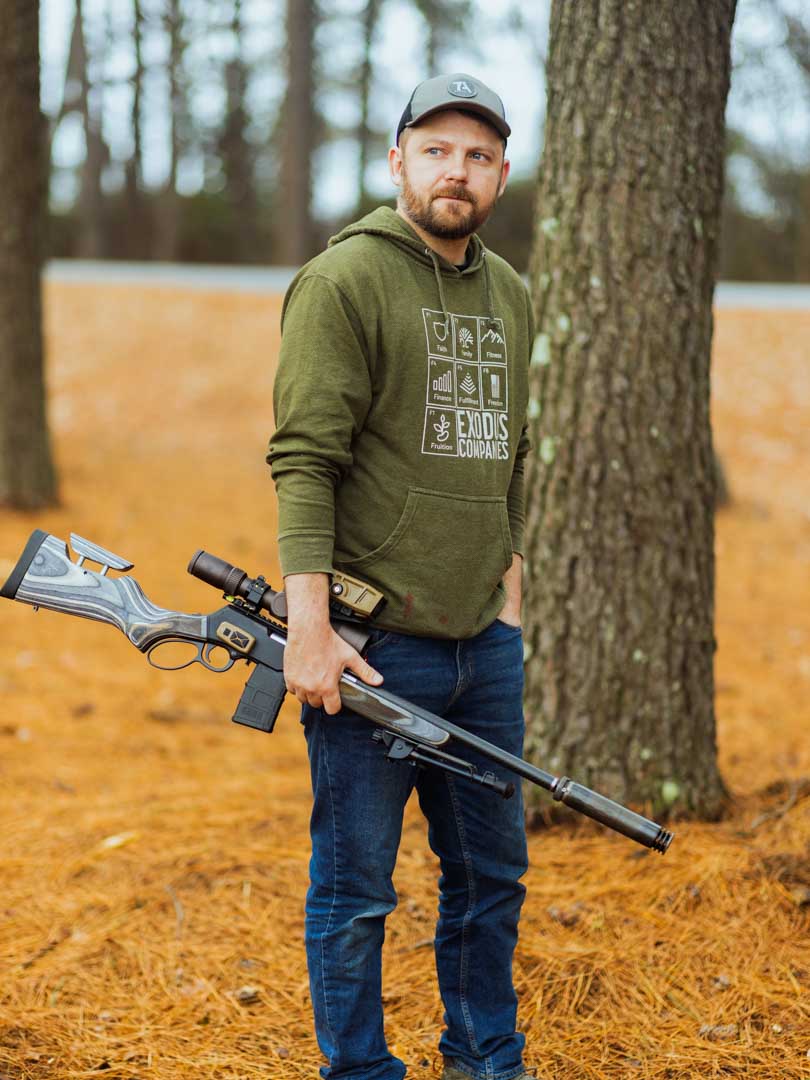
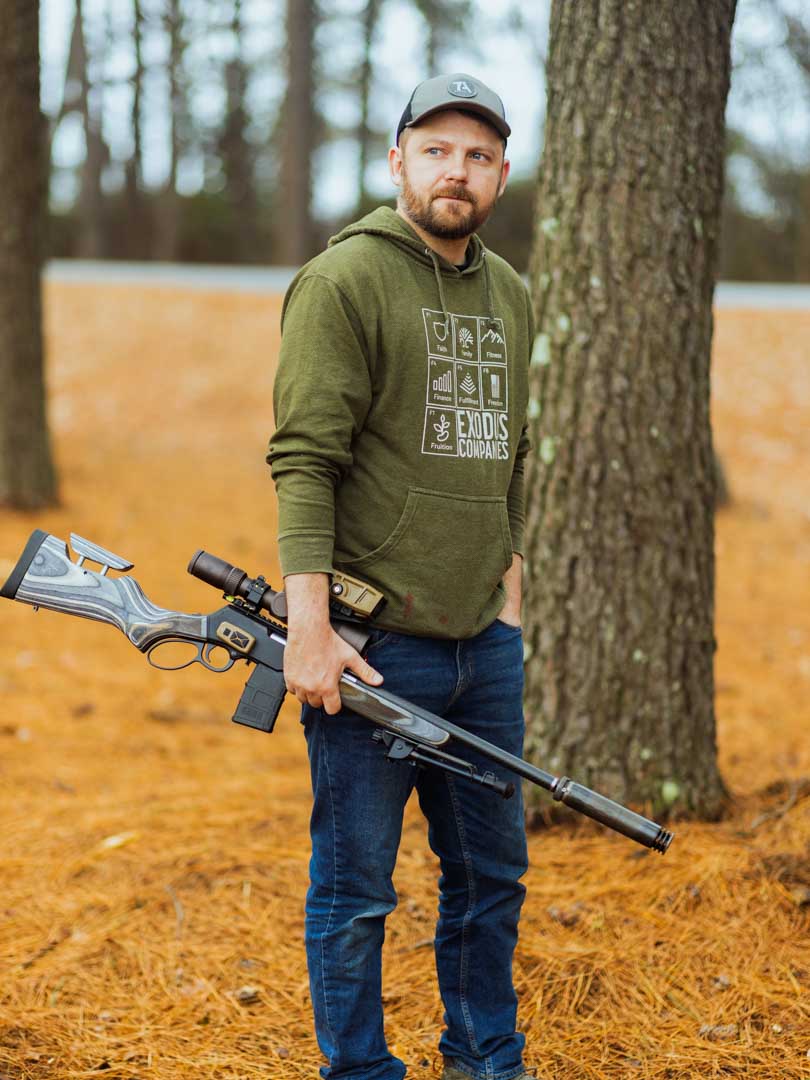


My Personal SPD Predator Setup
Before I get into my experience training with the Henry SPD Predator in a precision role, let's talk about how I set my rifle up.
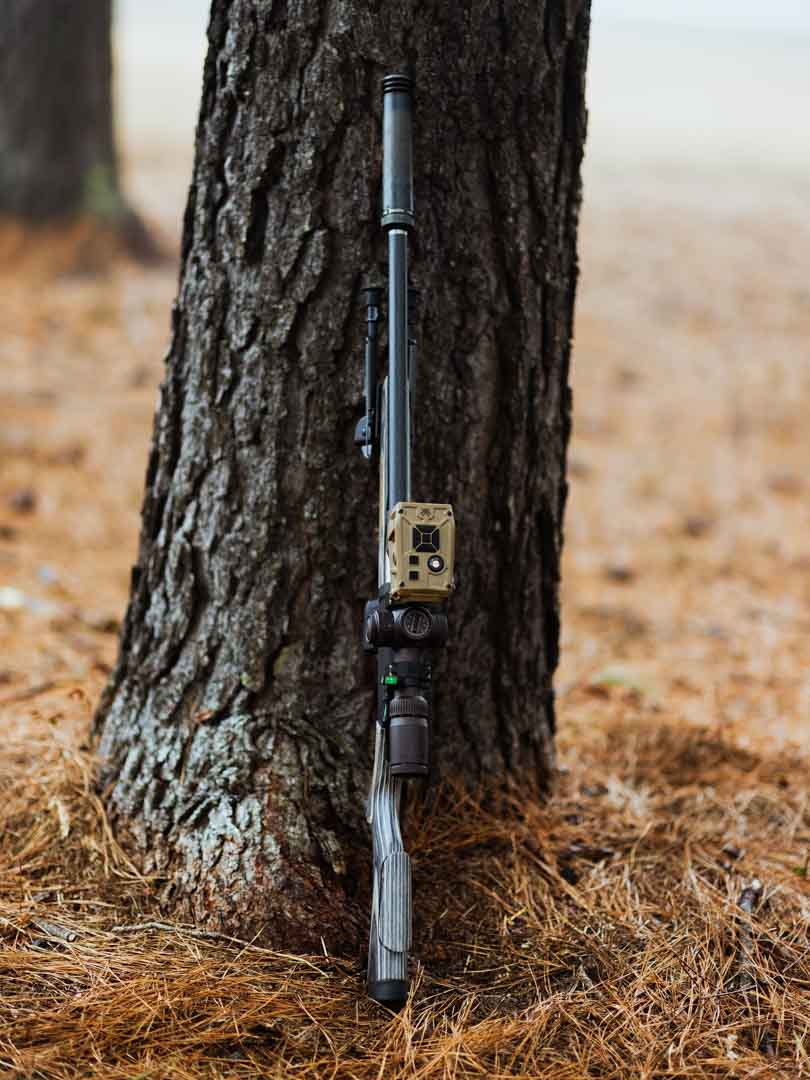
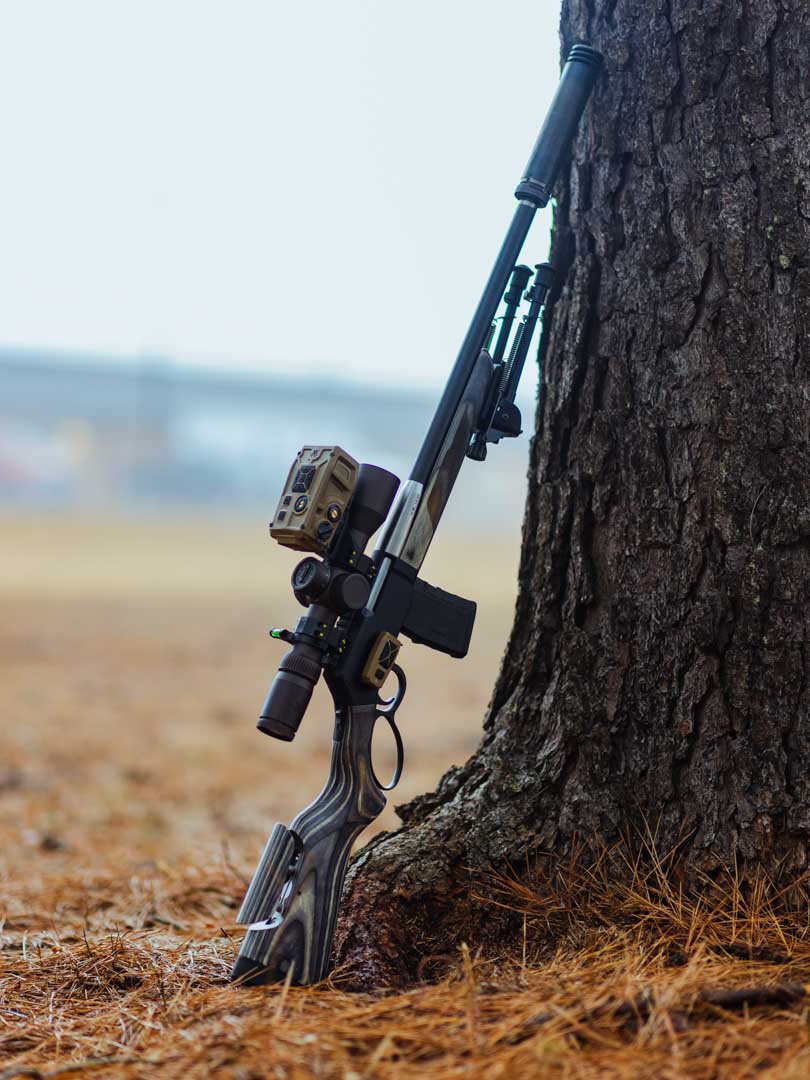
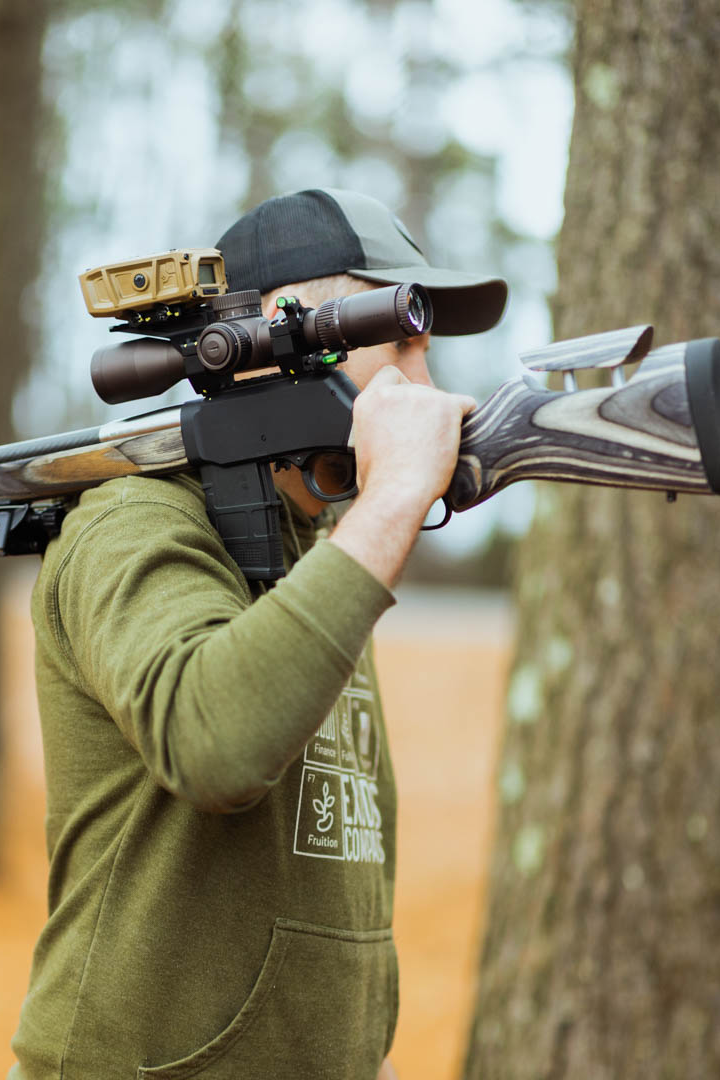
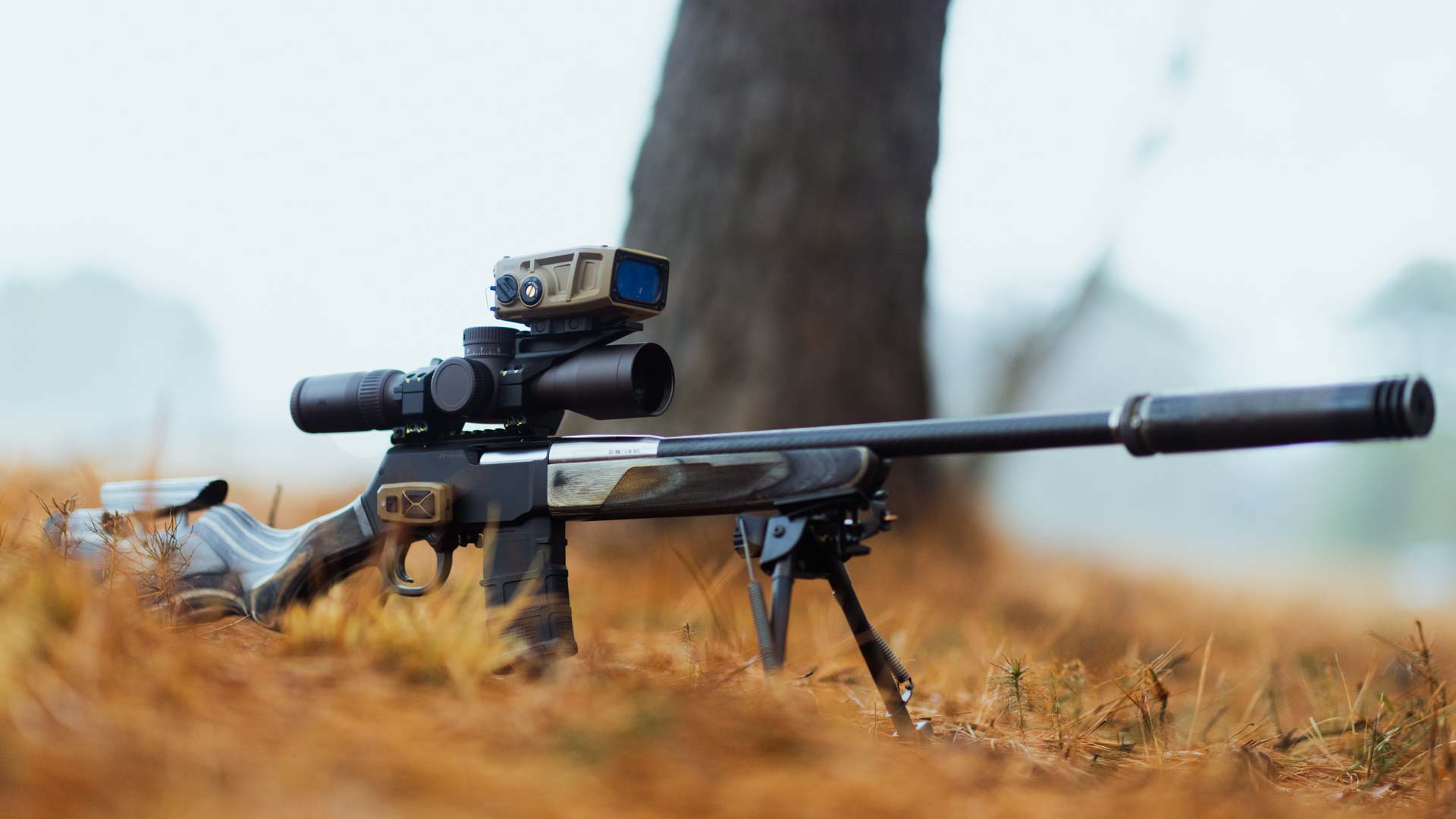
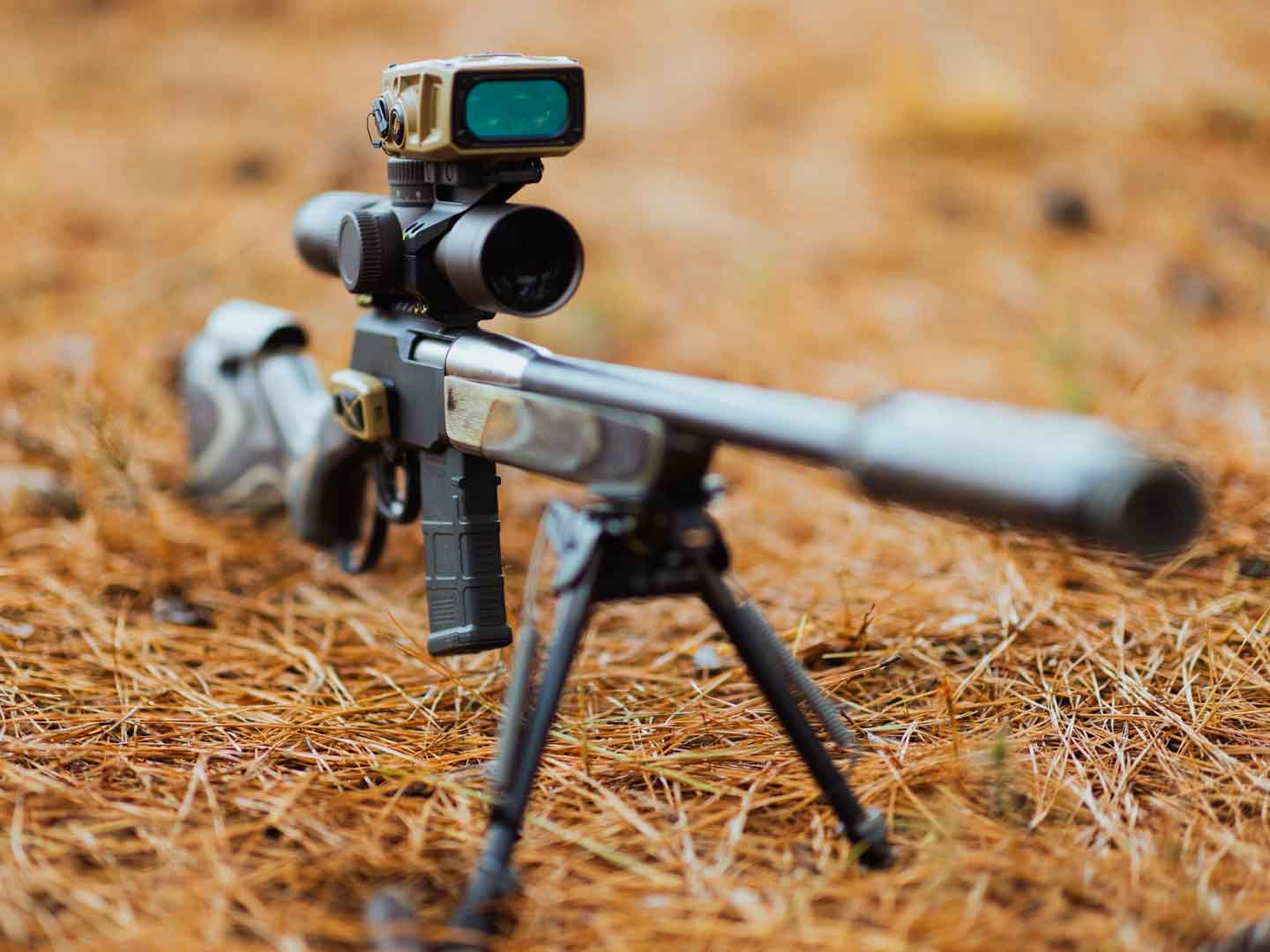
- Factory Henry SPD Predator Rifle, no changes to the actual rifle
- I am running the Harris Bipod that is included with the rifle from factory
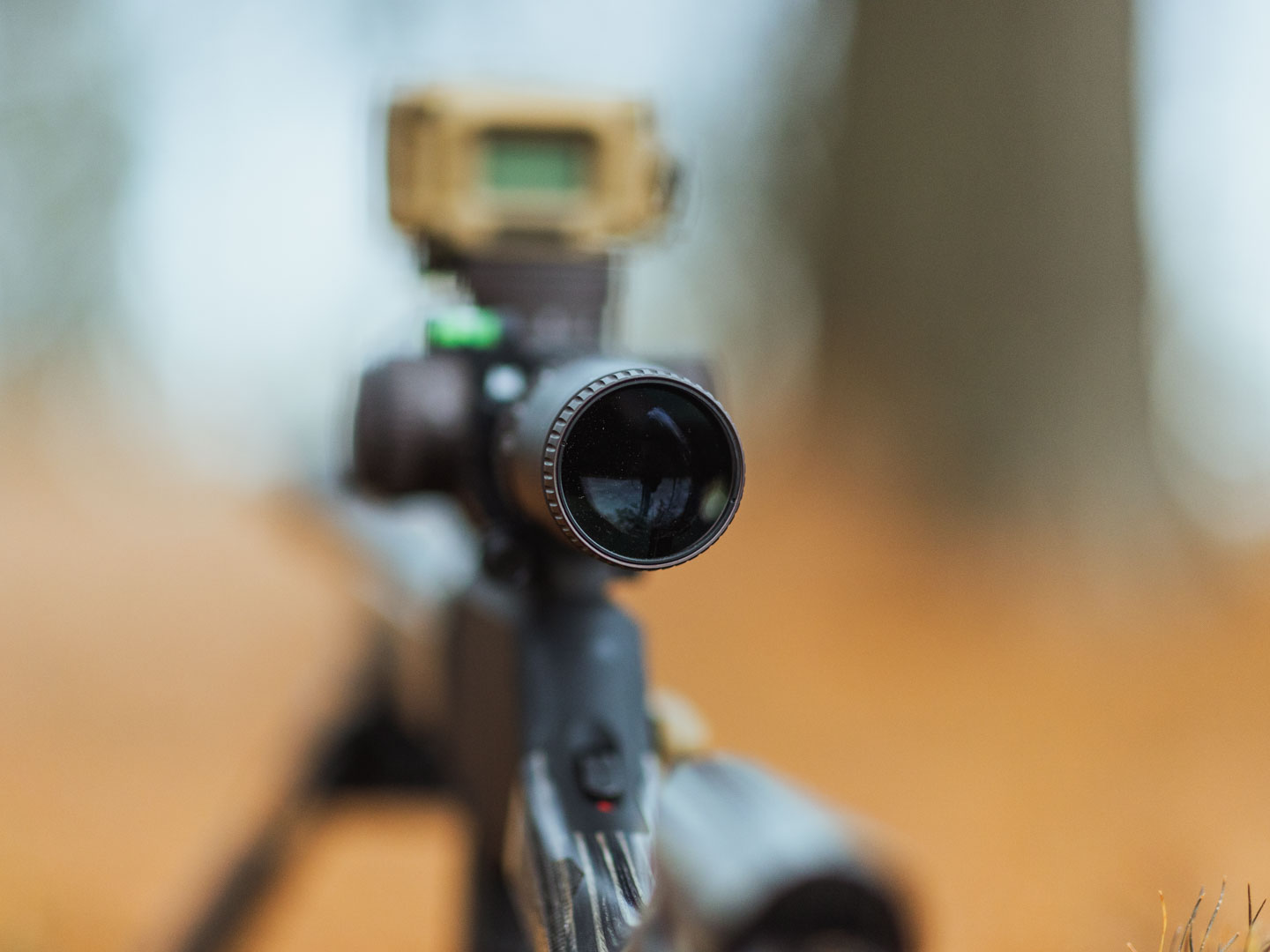
- I opted for the Vortex Razor HD Gen III 4-24 FFP MRAD Scope
- Vortex Precision 34mm matched rings
- Vortex 34mm diving board
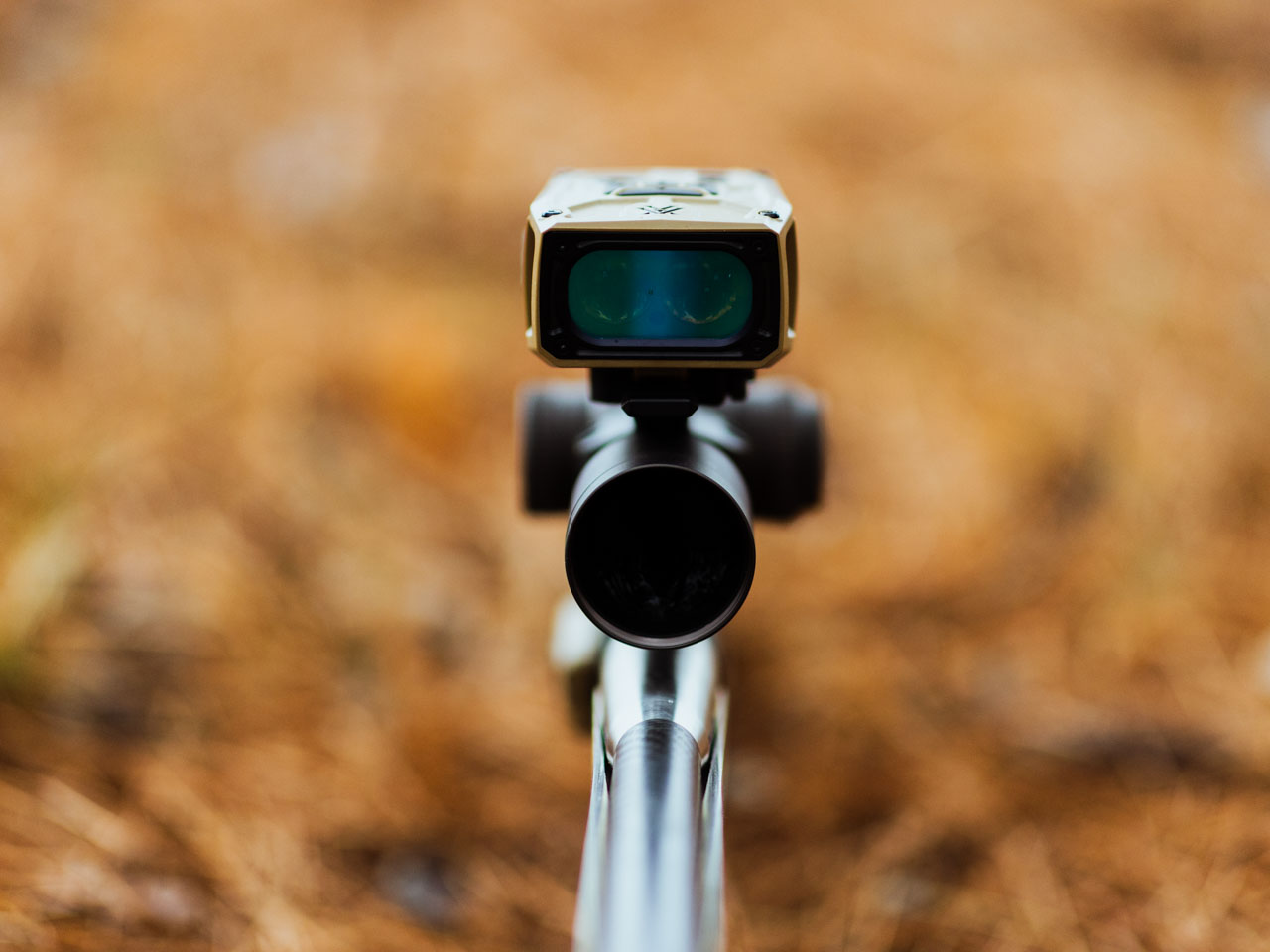
- Vortex Impact 4000 Laser rangefinder / ballistic calculator
- Offset bubble levels to make sure the rifle is square and level before firing at distance.
- SilencerCo ASR Flash Hider
- SilencerCo Omega 30 Suppressor
In addition to these parts, I ran the following gear:
- ColeTac shooting bags and shooting mat
- Magpul 10 round, 20 round, and 30 round PMAG's for ammo feeding
- Hornady 73 Grain ELD Match ammunition
- Kestrel 5700 Elite to true the rifle and ballistic coefficient of the ammo I was running
- Vortex Laser Range Finder
- Garmin Chronograph to build data on the rifle
These are all realistic parts, and I did not add anything outlandish. I kept the rifle simple, practical, while adding gear that gives me the ability to shoot far and land hits consistently.
First Range Day with the Henry SPD Predator Precision Lever Action Rifle
The first range day with a new rifle is critical. Many people don't know this, but it often takes around 200 rounds for a rifle to break in properly. During that period, it is important to follow the barrel manufacturers break in procedure. Sure, some folks will scoff and say it's not necessary, but I disagree. In all my years shooting, I have found that a proper break-in procedure increases accuracy, reliability, and velocity.
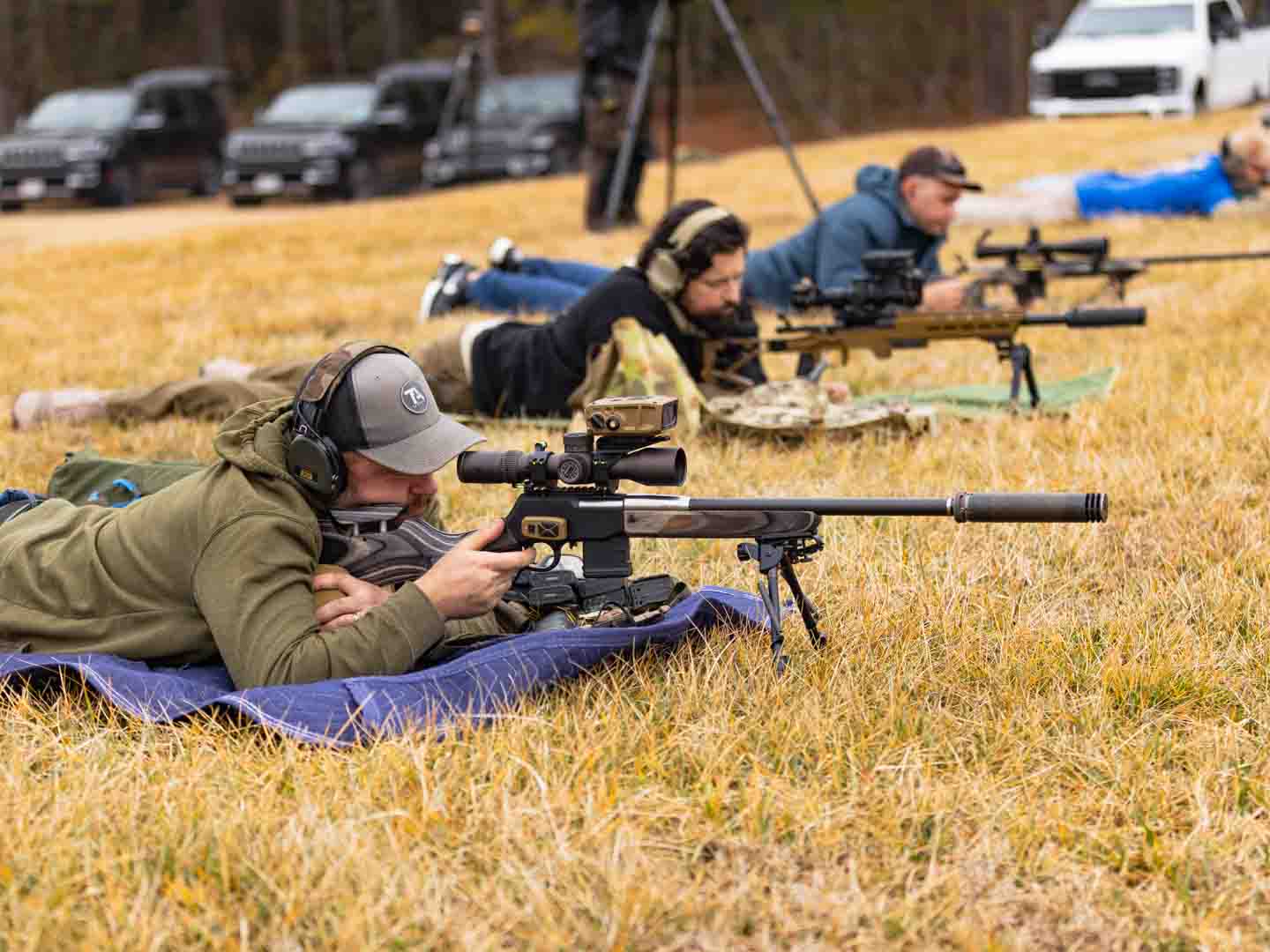
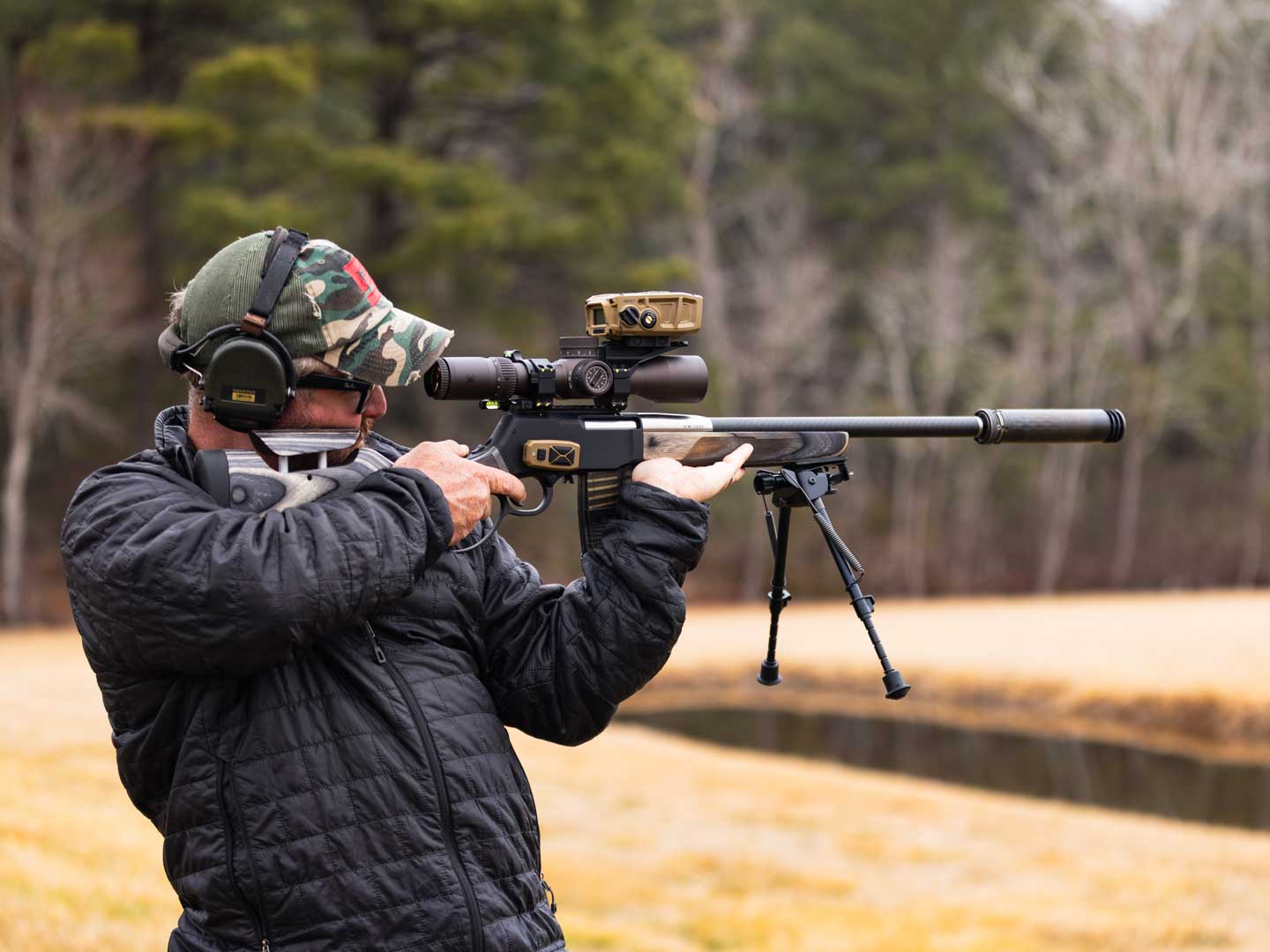
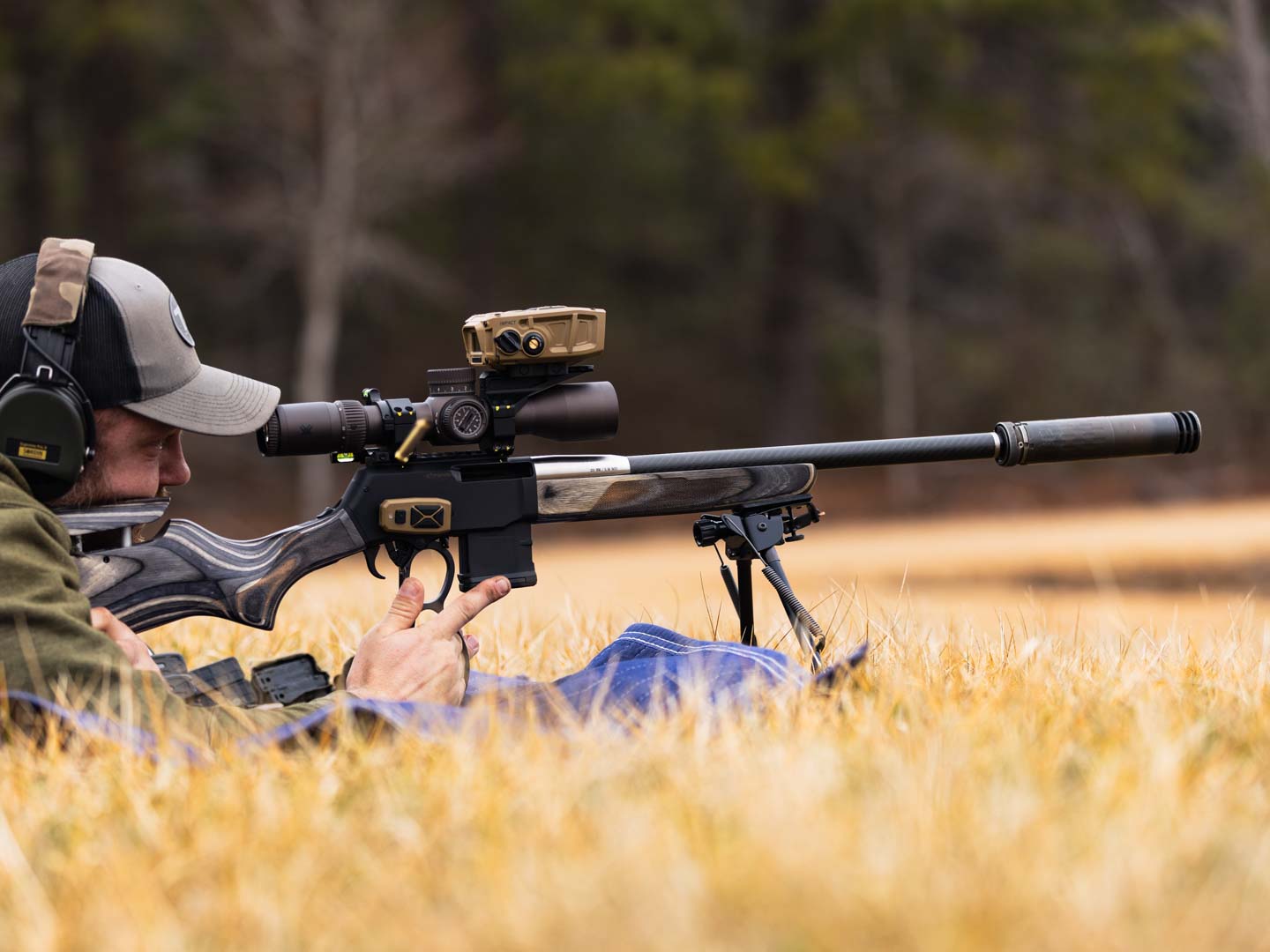
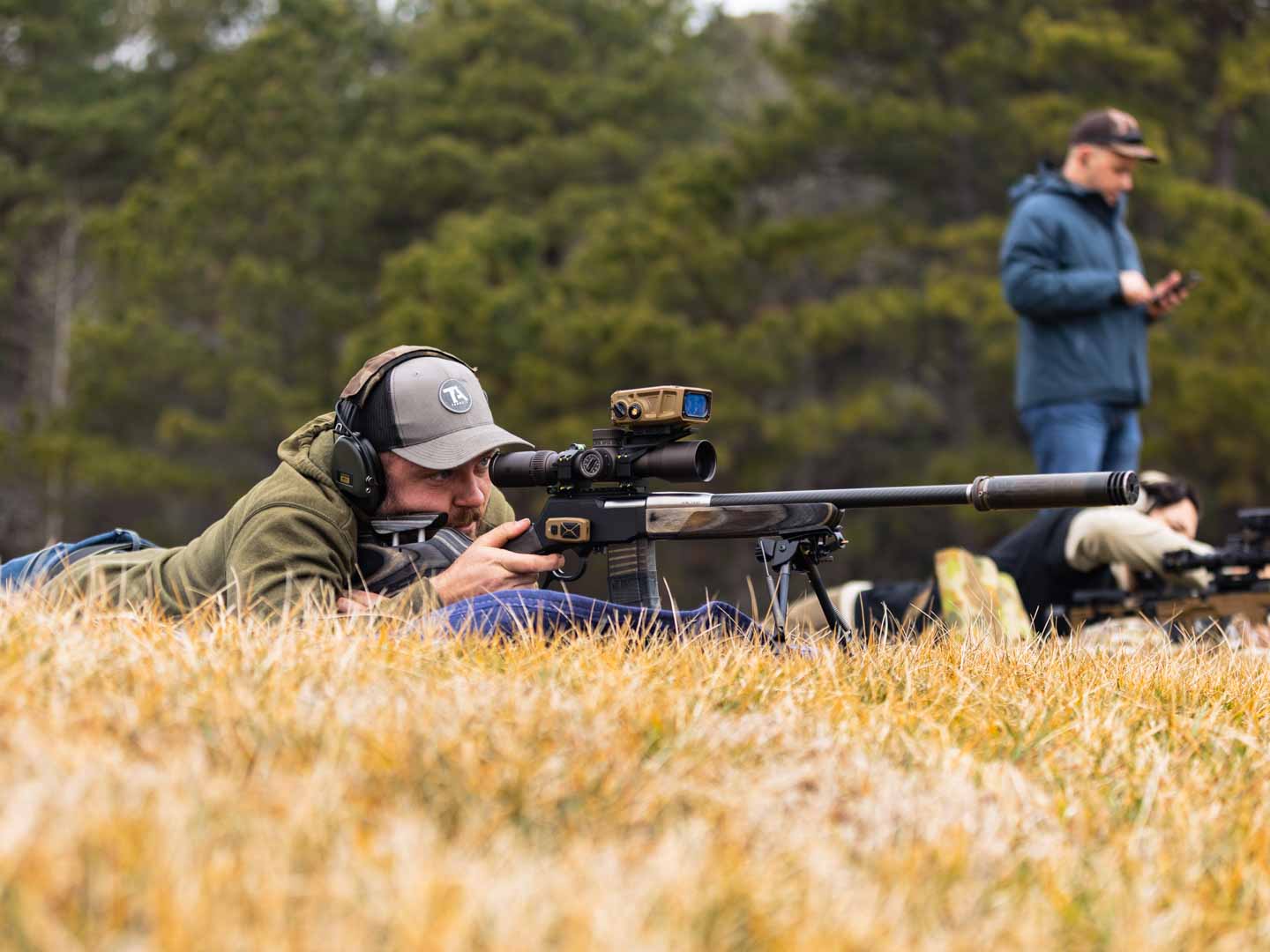
The first range day I simply ran around 200 rounds of 55 grain PMC bronze ammunition through this rifle. For the first few strings of fire, I cleaned between every five rounds. I kept the firing cycle slow to keep heat from the barrel. Sure, this took some time. But after break in, my rifle gained 80FPS in velocity. My first groups at 100 yards were floating just over 1". After the 200 rounds, that grouping started really tightening up. In fact, on day 2 of the five day Haley strategic D5 precision rifle class, this rifle was putting 12 rounds into a 3/8" Group at 100 yards.
That's incredibly consistent and accurate.
Recapping why a break-in procedure is important
- Proper break in is important to "set in" the barrel, the rifling, and introduce the first carbon fouling into the rifle
- Proper break in increases accuracy of the rifle and action
- Proper break in will, in almost all cases, result in higher velocities of the rounds leaving the barrel
Don't skip this step, it is the most important first step with a new rifle.
My Experience with the Henry SPD Predator:
I grabbed my rifle from a local dealer the day before the five day Haley strategic D5 Precision Rifle Class. I was excited to embark on this journey, and I was curious what the coaches and students would think of a lever action in a precision class. Additionally, I had quickly broken this rifle in, and I didn't have much time behind it by the time the first day rolled around. I certainly had people interested when they saw my rifle, and the coaches were interested in seeing how it performed.
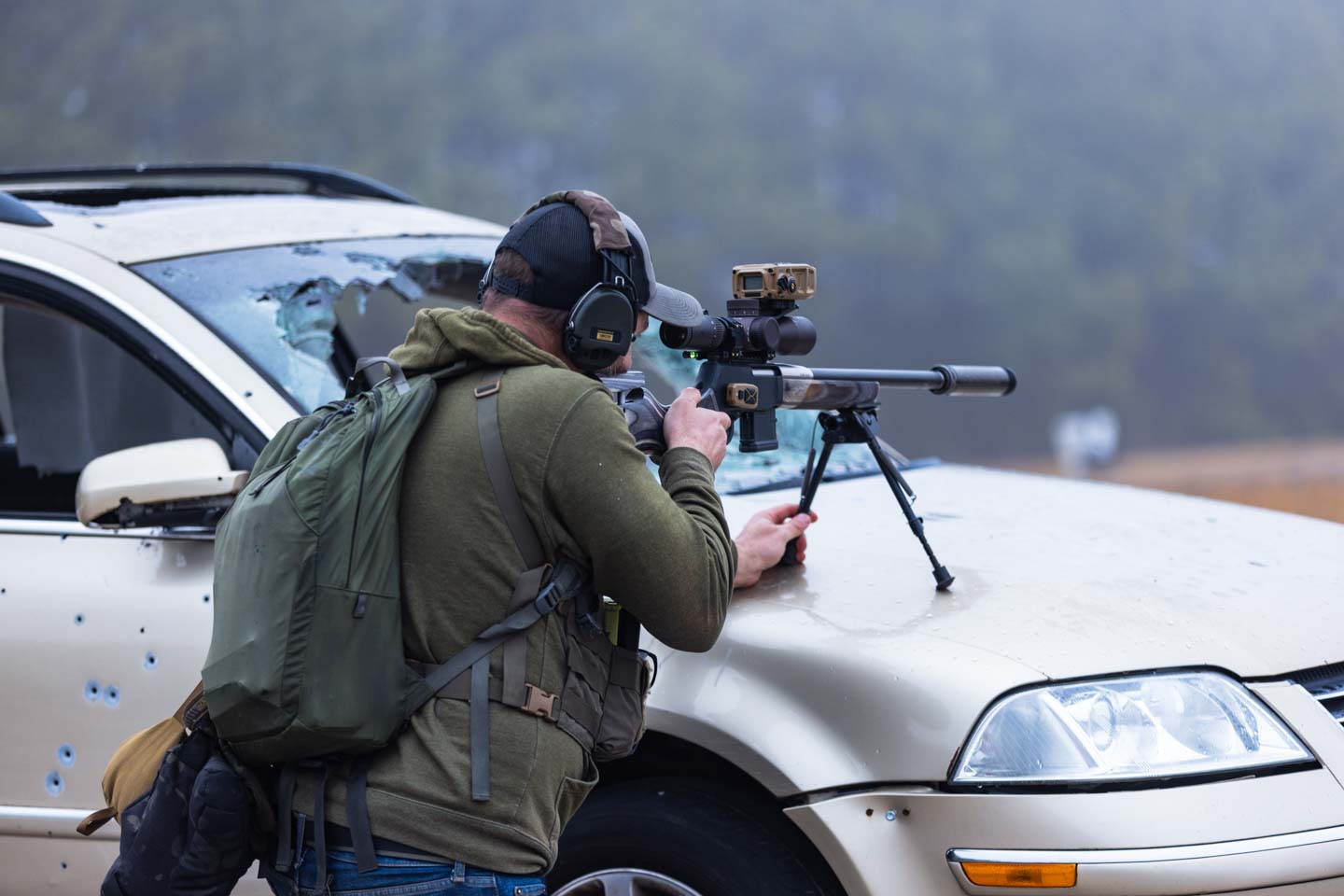
The first day of the class this rifle lived up to its hype. It did exactly what I had expected a precision rifle to do. As the week continued, I found myself landing hits at 1200 yards with ease. Bear in mind, the weather conditions at Constellis Training were rainy and windy all week. The first few days we had steady 15mph winds with gusts up to 36mph. Not ideal for a 223, especially at distance. But with a good platform, good data, and high accuracy, making hits was extremely easy. I just had to know my wind holds and I was landing rounds.

Notable feats with this rifle:
- I was able to shoot 5mph moving targets at 700, 800, and 900 yards
- I was landing hits at 1200 yards with nearly 100% accuracy
- I was shooting 8" wide and 10" wide targets from 800-1200 yards
- I trued this rifle at 700 yards, and on steel I was able to place rounds on top of each other. It's hard to measure accurately on steel, but what I saw was a 1.5" five round group at 700 yards. That's insanity.
- Cycling this rifle is extremely fast. I did not have to change body positions behind the gun to get the next round downrange
- This rifle perfectly marries the speed of a gas gun with the precision of a bolt action rifle.
- Rob, the lead coach, took a freehand 600 yard shot with this rifle and landed an immediate impact.
- All students walked away blown away by the performance of this rifle. It left a notable impact on everyone in the class, making the statement clear: Lever actions, when built properly, have a place in the precision world.
Reliability of this rifle and maintenance
As far as maintenance and reliability goes, this rifle ran flawlessly. During the class, I pushed 1700 rounds through this rifle. The ONLY cleaning this rifle saw was during the break-in process. After that, I just made sure the bolt and action were well lubricated. In these 1700 rounds:
- I had ZERO malfunctions
- No failures to feed or extract
- No light primer strikes
- No degradation in accuracy. This rifle stacked impressive sub-moa groups every time I printed it on paper
The action stayed incredibly clean as there is no gas system, and the suppressor made this rifle even more fun to shoot. Quiet, light recoil, and extremely fast follow up shots are notable traits of this rifle.
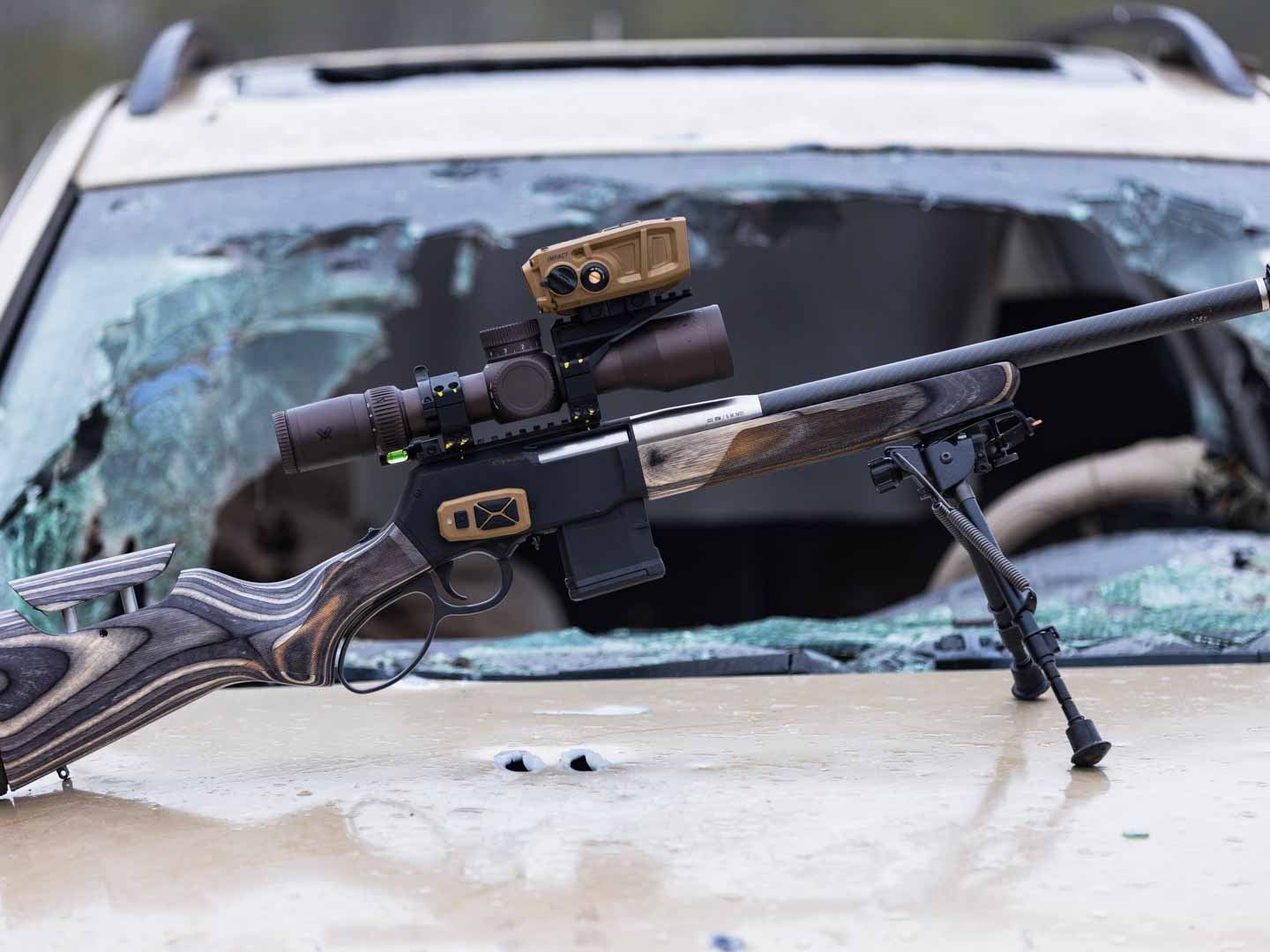
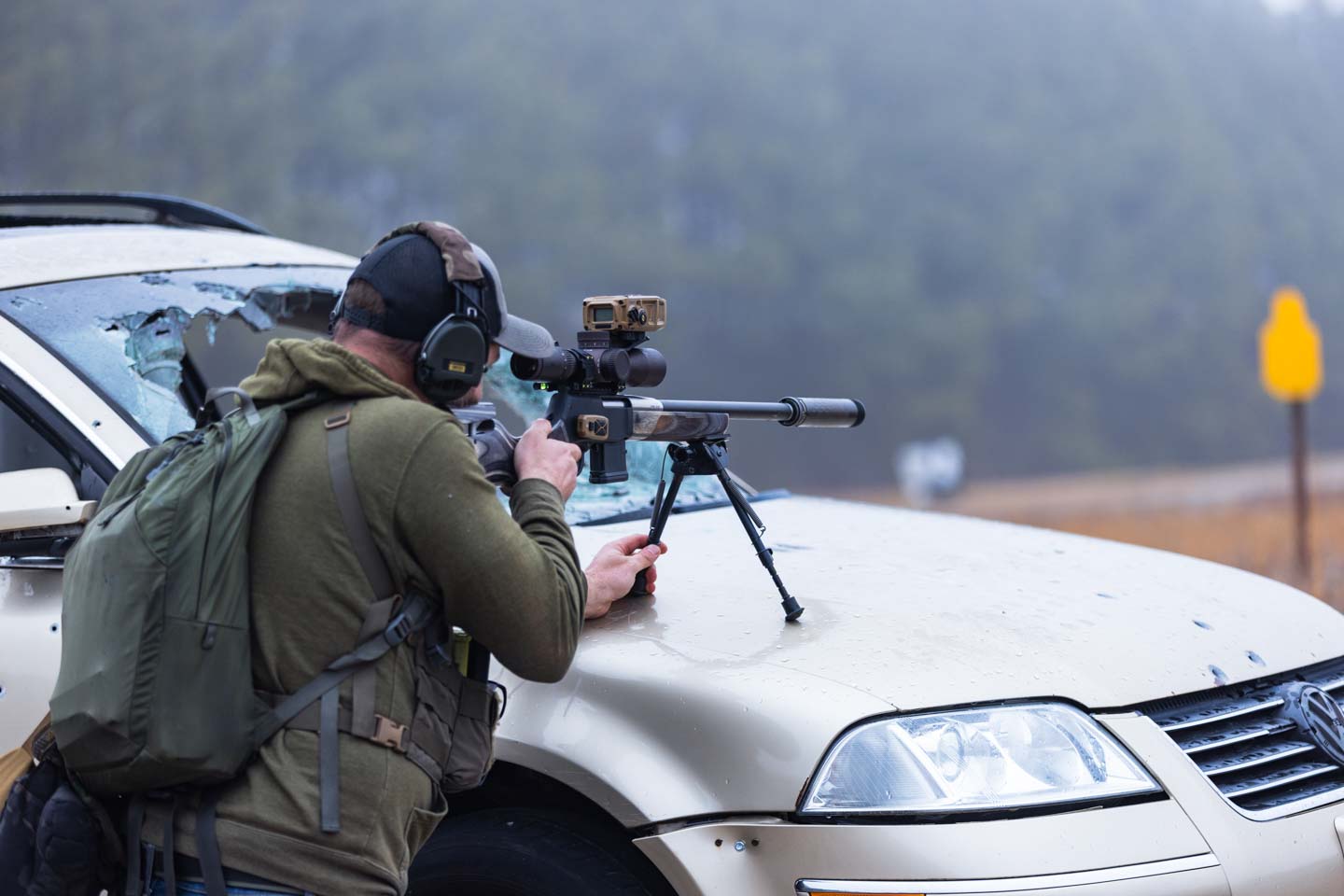
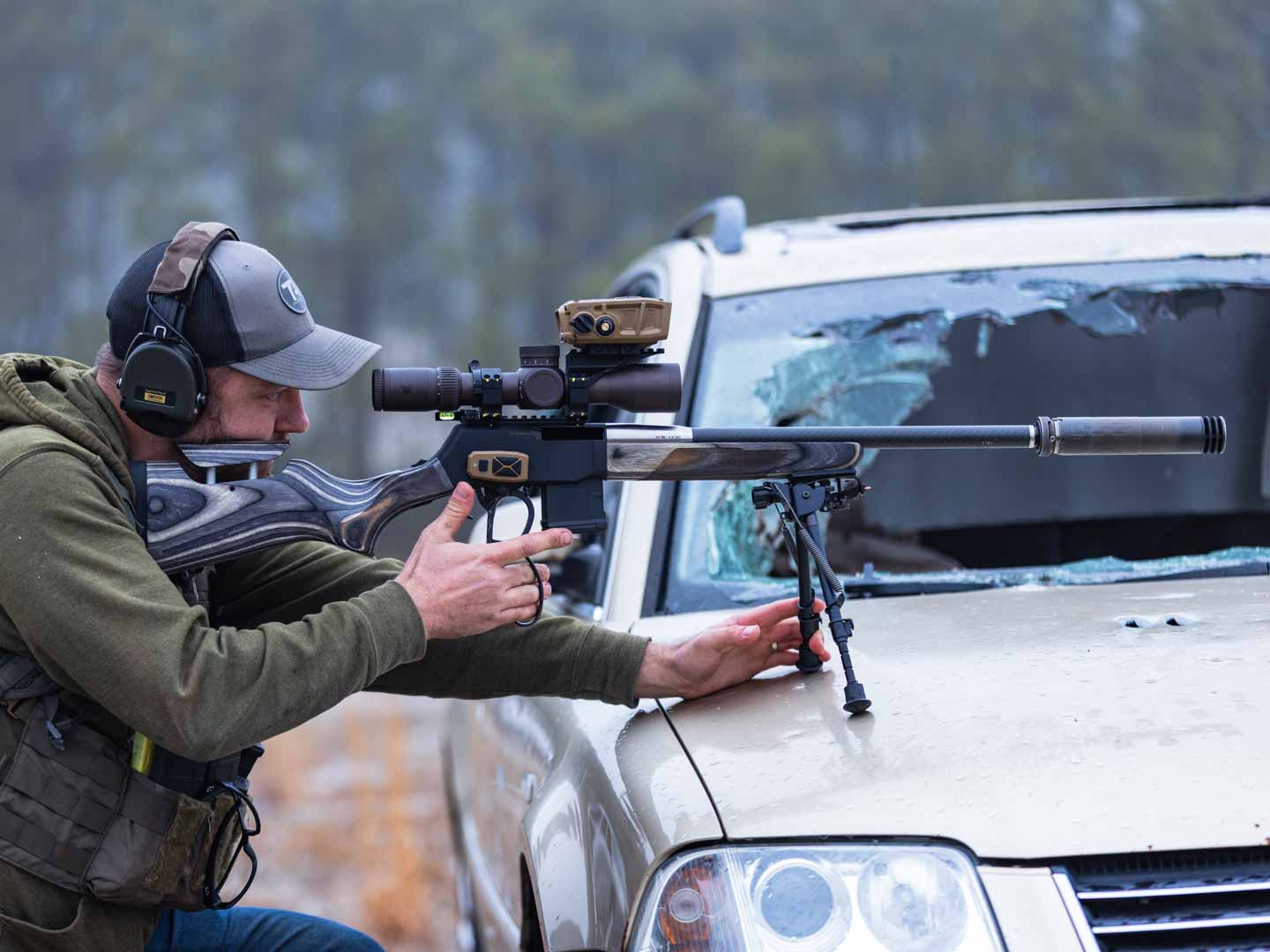
What would I change about this rifle?
Out of the box, Henry designed this rifle for precision hunting and varmint applications. It wasn't necessarily built to be a precision rifle if that makes sense. It just happens to have the performance and capability to fill that role well, but that wasn't necessarily the first concern. Because of that, the stock and forearm are better suited for hunting applications. My "wish list" of this rifle is extremely small, and it includes the following:
- Full MLOK rail with ARCA and a top pica tinny rail for clip on thermal and night vision devices
- Precision stock that isn't tapered for better bag stability and placement
That's it. If this rifle possessed these features, it would be, in my opinion, one of the best options available for precision shooting.






I hope Henry takes the plunge and offers more cartridges
Many folks think 223 is too small for precision shooting. That has not been my experience. Sure, it lacks the power of larger cartridges, but from a purely fundamental standpoint, 223 gives you the ability to train for less money and less recoil. Additionally, every factor stacks against 223. From temperature, to wind, and distance, 223 quickly loses steam. For that reason, it's a great platform to learn precision shooting on. There are no cheat codes. You HAVE to calculate everything to land hits, and I think that is actually a great attribute of the cartridge. Folks still run 308 in precision training for the same reasons: It's not a flat shooter, it's not as capable as modern derivatives, but it's still a great cartridge. 223 falls into the same camp. If you are willing to learn, it can perform.
But I would be remiss to exclude what I really want Henry to do from this list:
I want this rifle in 6ARC.
Henry could release this exact rifle (with no changes to the stock or forearm) in 6ARC, and I believe it would be an amazing option for hunters and precision shooters. But I want Henry to go one step further:
- 18-20" 1:7.5 6ARC carbon fiber barrel with a slightly heavier profile
- 5/8-24 thread pitch
- 20MOA canted pica tinny rail on receiver
- FULL MLOK rail, all the way to the start of the threads on the muzzle (16-17" rail)
- Top Picatinny on the rail for clip on thermal and night vision
- Folding precision stock with QD sling mounts on the stock
- Adjustable Length of Pull and cheek riser
Henry has already shown a willingness to disrupt the idea of a traditional lever action rifle. If they follow the above recipe, they will disrupt the entire genre of precision rifle shooting. And I'm here for it. In fact: Do me a HUGE favor: Blast the Henry Teams email with request that you want to see this rifle in 6ARC. Let them know that this is an important next step. If they hear the requests enough, they might just take the plunge..
Who is this rifle for:
- Anyone looking for a light recoiling, highly accurate rifle
- Predator and Varmint hunters
- Precision shooters who want a rifle faster than a bolt gun, but more precise than a gas gun
- Anyone who loves lever action rifles, and loves the evolution of them into the new era
- Folks who value American heritage and craftsmanship and want to support American manufacturing
- You want quick follow up shots with a detachable magazine
- You want to be a part of the story of the evolution of lever action rifles
Who should steer clear:
- If you don't like 223, or you think it's too small, for now this rifle won't fit your needs
- If you want horsepower behind your round at distance, this rifle might not be a good fit for you (until HOPEFULLY Henry offers larger cartridges)
- Folks who need a precision chassis, ARCA rails, or want to mount clip on thermal or night vision units. For now, this rifle cannot accommodate those accessories
Wrapping up my findings:
This rifle straight up performed. It blew my mind. I already wanted to believe in it, but proof is always shown in rounds downrange. After seeing the capability, training with it for five days, and putting over 1700 rounds through it, I walked away knowing that what Henry has done is special. This is easily one of the most accurate rifles in the armory, and I'm excited to continue building it out, training with it, and seeing just what this rifle is capable of. Whether I am hunting coyotes in central PA, or shooting 1200 yards, I have the confidence knowing that this rifle can put the round where it needs to be shot after shot.
Henry has continued the legacy of innovating the lever action platform, and I am excited to be a small part of telling that story. If you have any questions about the build or performance, leave a comment below. If you already own a predator, let me know what your experience was with this platform.
Precision Capable Lever Action Rifle: Henry SPD Predator