
Shotguns VS STEEL TARGETS: The Honest Truth Behind Distance, Ammunition, and Safety
There are a lot of half-truths floating around firearms training circles... especially when it comes to shotguns and steel targets. You’ve probably heard that you shouldn’t shoot slugs at steel, or that buckshot will destroy a plate, or that birdshot is somehow “too risky.” Most of that comes from ranges that don’t use proper steel or from people who haven’t taken the time to understand the physics involved.
At TA Targets, we build steel shooting targets that are meant to be used. But we realized we hadn’t done a full, honest write-up showing what actually happens when you shoot a shotgun at our steel target systems. So that’s what this blog is: a straight-ahead look at what you can expect, what you should expect, and how we rate our targets for different shotgun loads.
Check out the video below to watch the demonstration.
What Shotguns Do to Steel (hint: It’s All About Energy Transfer)
When you fire a shotgun, you’re sending a lot of mass downrange very quickly. That energy has to go somewhere. That’s why we base our distance ratings on real testing with specific ammunition types: slugs, buckshot, and birdshot behave very differently when they hit a plate.
Before we talk about what happens, let’s get the official TA Targets distance ratings on the table. These are the minimum safe distances for shooting different shotgun loads at steel:
TA Targets Shotgun Distance Ratings (for our AR500 and AR550 systems)
-
Birdshot (lead pellets only): 10 yards minimum
Lead only. No steel, no tungsten, no hybrid alloys. -
Buckshot (lead pellets only): 30 yards minimum
All common buckshot sizes are acceptable at this distance. - Slugs (lead only): 100 yards minimum
These ratings are based on actual impact physics and testing, not guesswork. They aren’t arbitrary numbers — they are safety margins that protect you and your equipment.
Slugs on AR550 Steel: What Really Happens
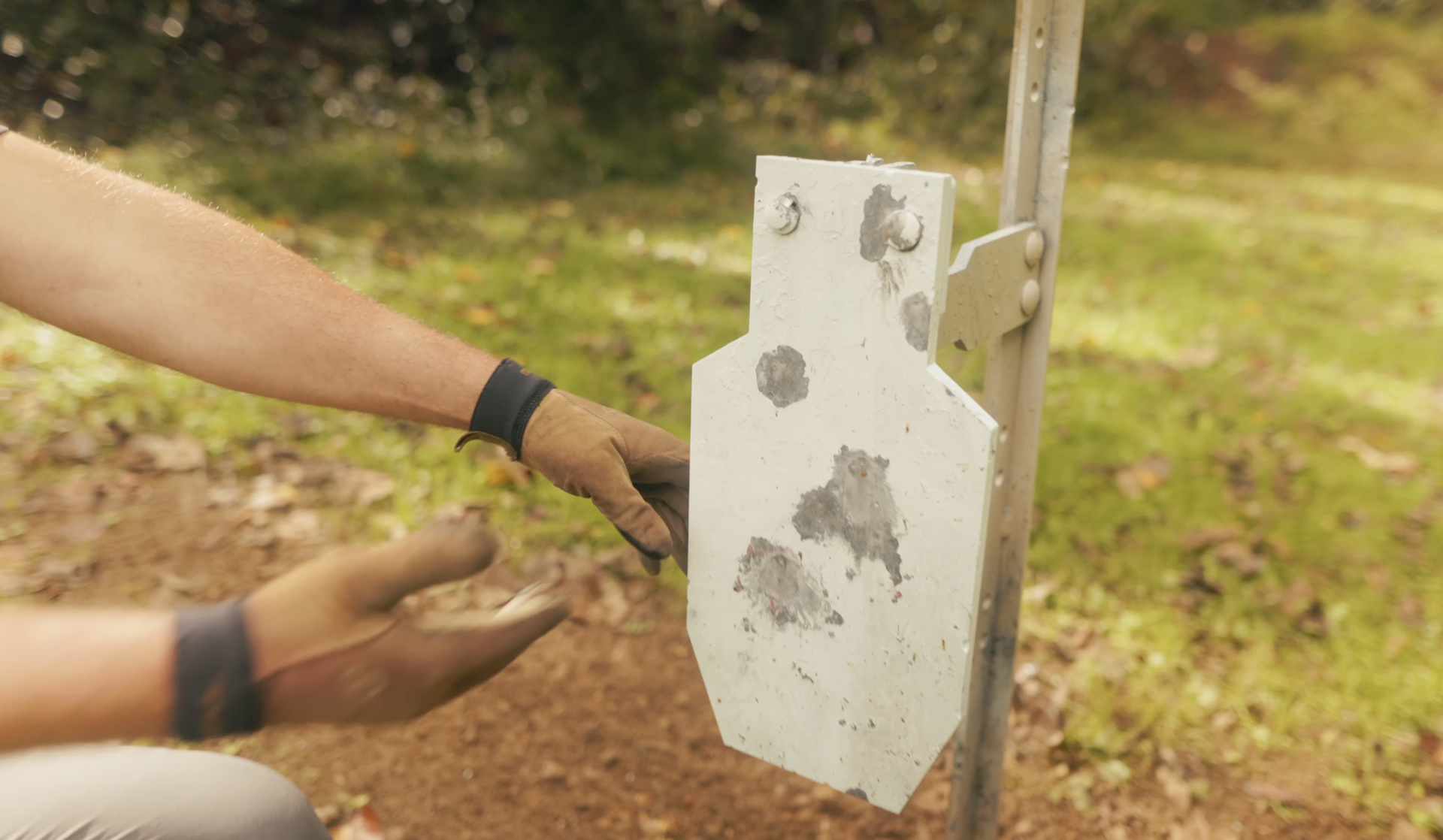
For the demonstration we filmed, we intentionally shot slugs closer than we recommend (at 20 yards) because we wanted to see the worst case scenario. Let’s be clear: this is not an endorsement to do that. It’s unsafe and should not be repeated. But it did help us show what ½-inch AR550 steel does when it’s abused.
We sent three 3-inch, 1-oz slugs into a ½-inch AR550 mini A-DAP plate. The results were straightforward:
- No deformation
- No cratering
-
No structural damage
This is why our slug rating is tied to ½-inch AR550. Less steel won’t handle the same kind of energy. Slugs are abusive with a ton of mass going fast and they demand purpose-built steel.
If you’re running heavy slug work, stick to plates that are rated for it. That’s accountability in training.
Buckshot VS Steel Targets: A Lot of Energy, Very Little Impact
Next up was buckshot. We tested both copper-plated and all-lead loads. On soft targets, buckshot is devastating. On steel, it behaves very differently.
Here’s what we saw:
- No plate damage
- No pitting
- No deformation
The steel simply took the hits and stayed structurally sound. That’s because the energy of buckshot is dispersed across many pellets — it doesn’t concentrate enough force in one tiny spot to damage properly rated steel.
As long as you’re at the correct minimum distance, buckshot is safe on our steel systems.
Birdshot: Safe, But Only With the Right Pellets
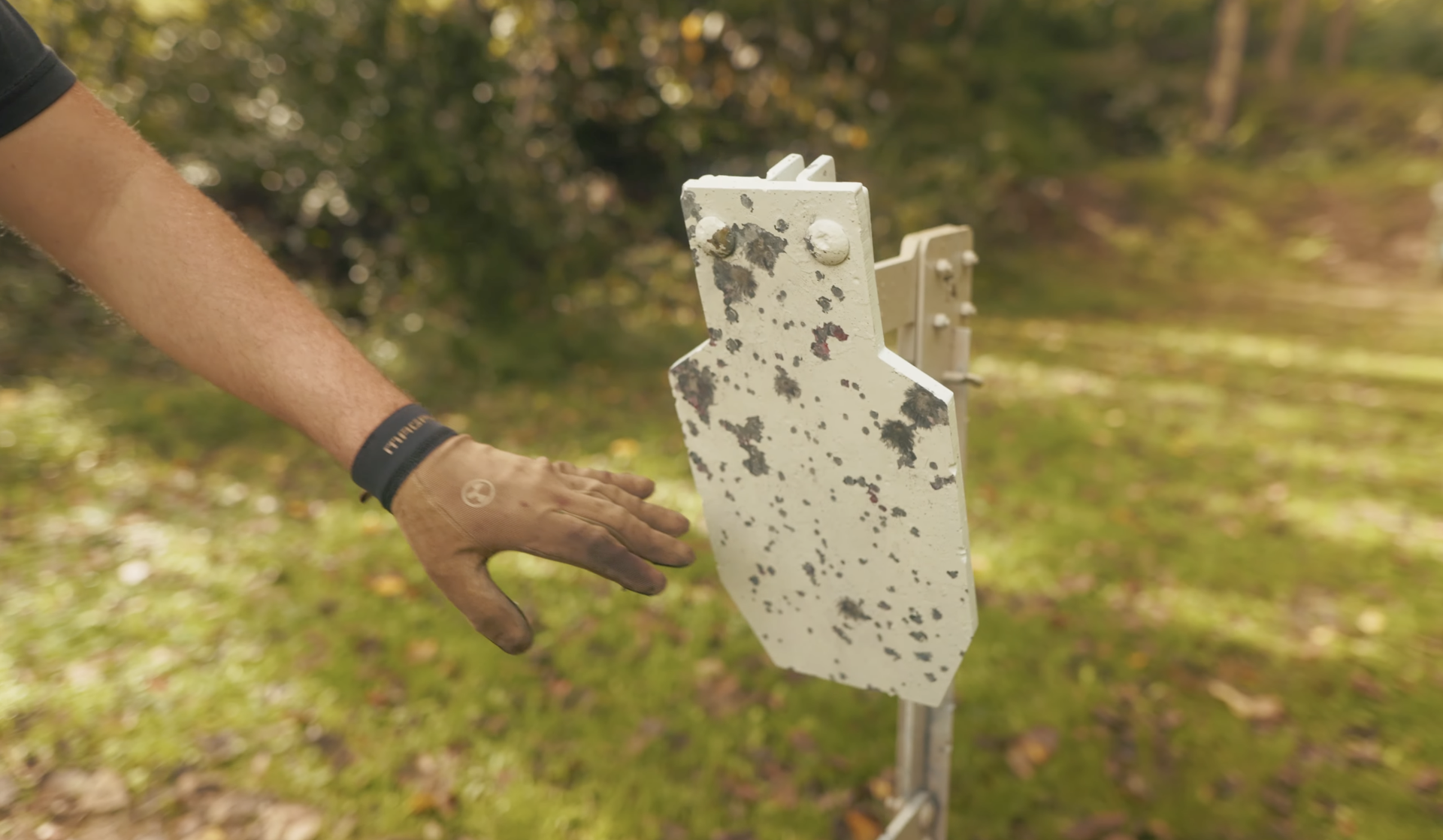
Birdshot is the least impactful load we tested, but with one very important caveat:
Never use tungsten or steel shot on steel targets. period.
Many hunting loads, especially turkey loads, use hard alloys that will damage steel plates.
Lead birdshot, at or beyond the safe distance (10 yards on TA Targets), won’t hurt the plate at all. It basically bounces off. That makes birdshot a fine tool for fundamentals without doing anything to the steel.
If you see a range that outright bans birdshot on steel, they’re either using the wrong kind of shot or the wrong kind of steel. Proper testing and proper material selection matter.
Why Do Some Ranges Ban Shotguns on AR500/AR550 Steel?
When you hear a range say “no shotguns,” it’s usually not because the concept is fundamentally unsafe. It’s because:
- Proper distance ratings are not followed
- Their steel isn’t AR550 or equivalent
- Plates are fatigued or damaged
- Stand geometry doesn’t safely redirect energy
- They don’t understand the difference between lead and hard alloy shot
There’s a big gap between what people assume and what actually happens with well-made steel targets. TA Targets steel is engineered to handle the loads we rate it for and that’s why we’re confident letting you train with shotguns when used responsibly.
Training With Shotguns is Not Just Possible, It’s Valuable
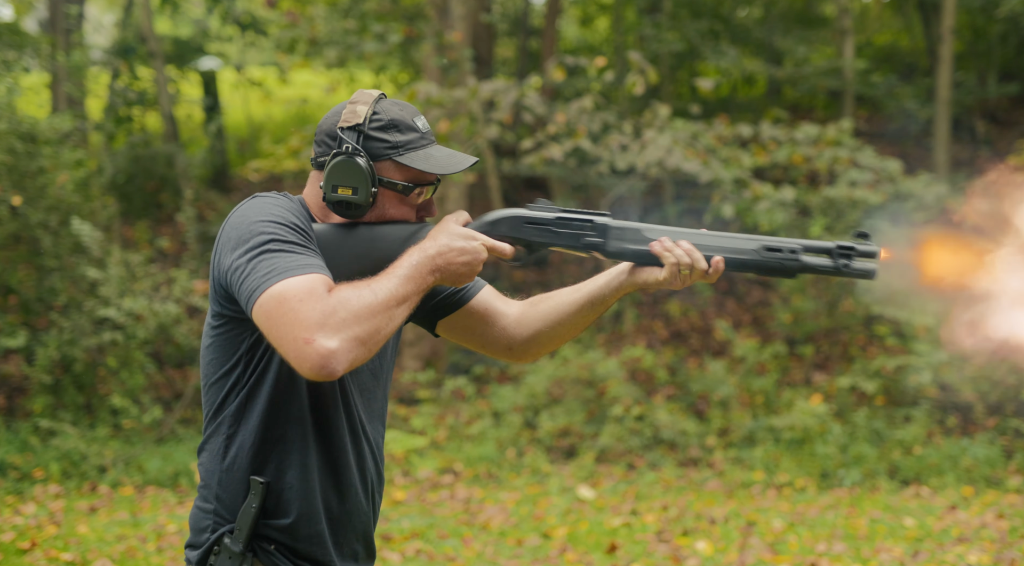
Here’s the takeaway: Shotguns can be used on steel safely when you use the right target, the right ammunition, and the right distance.
The key isn’t avoiding shotguns, it’s knowing how to use them. That’s accountability.
We train this way because we believe capability should be built on understanding and discipline. If you respect the limitations and stick to the ratings above, steel targets are a rock-solid platform for shotgun training.
As always, if you have questions about specific loads, setups, or how to integrate this into your range training, let us know. We’re here to help you train with clarity, not confusion.
Invest in quality. Train with confidence.
Choose targets built to endure, not excuses.
SHOTGUNS VS STEEL TARGETS - TA Targets Ratings